
To plan a home for heat waves, storms, and power outages, use sustainable materials like recycled steel and bamboo to boost resilience and energy efficiency. Incorporate smart tech such as thermostats, sensors, and backup systems to monitor and control your home remotely. Reinforce windows, seal leaks, and elevate electrical systems for storm protection. Focus on combining these strategies for a safer, more durable home, and discover more ways to strengthen your house against climate challenges.

Get decor and gifts delivered free — and shop member deals
- Fast, free delivery on millions of items
- Access to Prime Big Deal Days deals on October 6–7
- Prime Video, Amazon Music and more included
Key Takeaways
- Use sustainable, insulating, and durable building materials to enhance resilience against extreme weather and maintain comfortable indoor temperatures.
- Integrate smart home technology for remote monitoring, automated backup systems, and energy management during outages.
- Reinforce windows with impact-resistant glass and install storm shutters to protect against storms and high winds.
- Elevate electrical systems and incorporate surge protectors to prevent damage from voltage spikes during storms or outages.
- Design layouts that maximize insulation, reflective roofing, and proper sealing to reduce heat gain and improve overall energy efficiency.
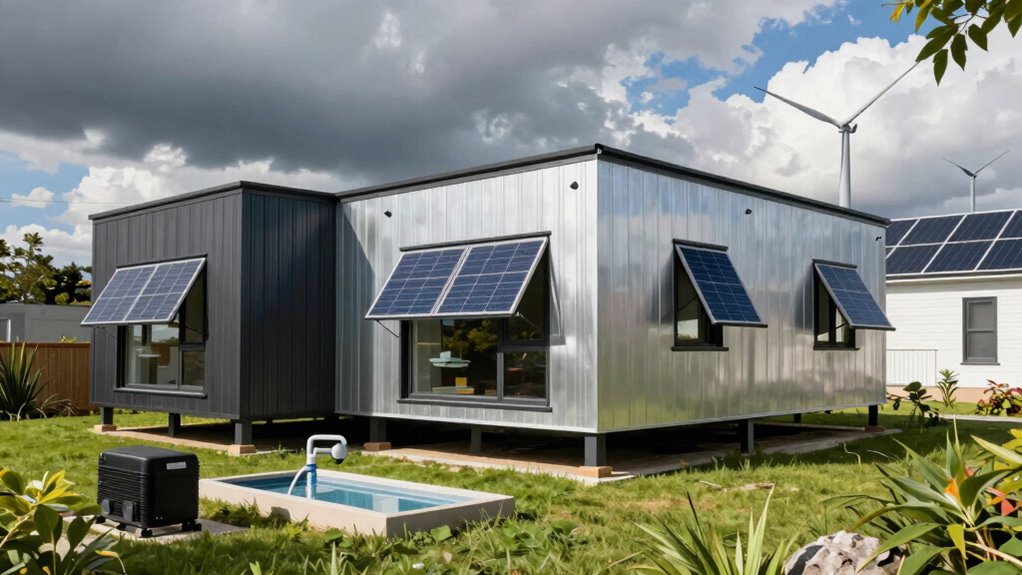
As climate change brings more frequent and intense heat waves, storms, and power outages, preparing your home to withstand these challenges is essential. To do that effectively, you need to focus on integrating sustainable materials and smart technology into your home’s design and infrastructure. Sustainable materials, like recycled steel, bamboo, and insulated concrete forms, not only reduce your environmental footprint but also enhance your home’s resilience. These materials tend to have better thermal properties, helping keep your home cooler during heat waves and protecting against extreme weather conditions. Choosing eco-friendly options also means your home is better equipped to handle unpredictable weather patterns without sacrificing energy efficiency or durability.
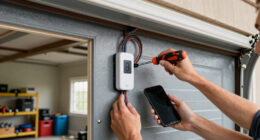
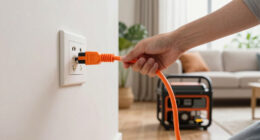
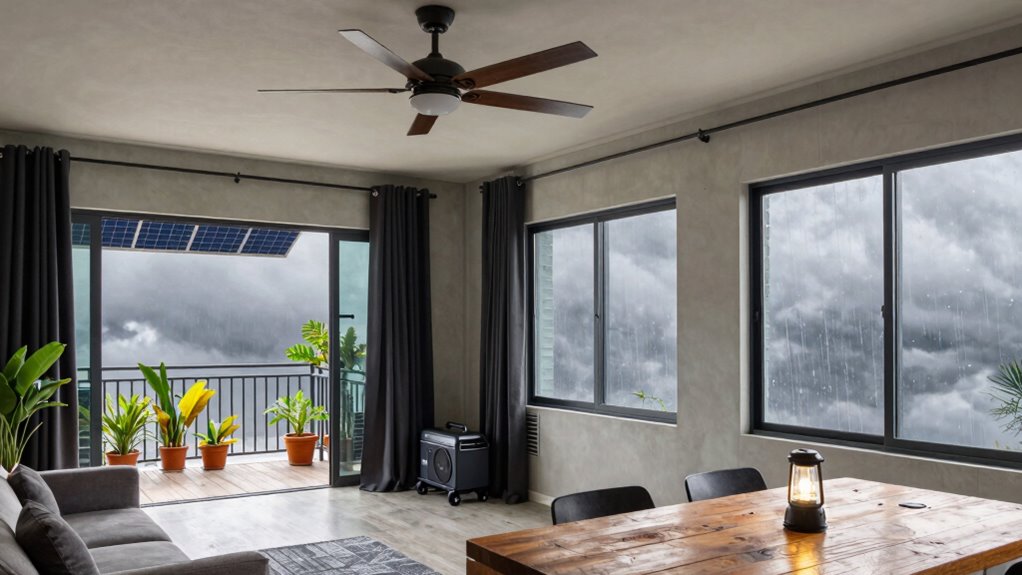
In addition to sustainable materials, smart technology plays a critical role in making your home more resilient. Installing smart thermostats allows you to control indoor temperatures remotely, maintaining comfort during heat waves while conserving energy. Smart sensors can detect leaks, power outages, or rising water levels, alerting you instantly so you can take action before damage occurs. Automated backup systems, like generators that activate during power outages, give you peace of mind and help guarantee your essential appliances—like refrigerators, medical devices, or sump pumps—continue functioning. Smart home integration also enables you to monitor your energy consumption, identify vulnerabilities, and optimize resource use to reduce costs and environmental impact. Incorporating renewable energy sources such as solar panels can further enhance your home’s resilience by providing an independent power supply during outages. Understanding and implementing climate-resilient design principles can significantly improve your home’s ability to withstand future climate challenges. Additionally, employing energy-efficient appliances can further reduce your overall energy demand, easing the strain on power grids during outages or peak usage times.
Planning for heat waves, storms, and power outages means thinking ahead about your home’s layout and infrastructure. Reinforcing windows with impact-resistant glass, sealing leaks, and installing storm shutters can protect your home from high winds and debris. Proper insulation and reflective roofing help reduce heat gain, keeping your home cooler during extreme temperatures. For storms, consider elevating your electrical systems and installing surge protectors to guard against voltage spikes caused by lightning strikes or power surges. Modern energy-efficient appliances, combined with smart technology, help reduce your overall energy demand, easing the strain on power grids during outages or peak usage times.
Ultimately, your goal should be to create a home that’s both eco-friendly and technologically advanced, capable of adapting to a changing climate. Incorporate sustainable materials wherever possible, and leverage smart technology to monitor, control, and protect your home’s systems. Doing so not only enhances your safety and comfort but also contributes to broader efforts to reduce environmental impact. Preparing now ensures you’re better equipped to face future climate challenges, making your home more resilient and sustainable for years to come.
Frequently Asked Questions
How Can I Budget for Home Modifications Against Extreme Weather?
You can budget for home modifications by prioritizing essential updates like improving home insulation and installing solar panels, which help reduce energy costs and increase resilience. Start by researching costs and potential savings, then set aside a monthly amount dedicated to these upgrades. Consider grants or rebates for solar panels, and look for affordable insulation options. Planning ahead guarantees you’re prepared financially for weather-related home improvements.
What Insurance Policies Cover Climate-Related Damages?
You might be surprised to learn that many homeowners’ insurance policies don’t automatically cover climate-related damages. To protect yourself against climate risk, check if your policy includes coverage for storms, flooding, or heat-related issues. Sometimes, you need to add endorsements or purchase specialized policies. Don’t wait for disaster—review your insurance coverage now so you’re prepared when extreme weather strikes. Knowledge and proactive planning can save you from unexpected financial heartbreak.
Are There Government Grants for Resilient Home Upgrades?
Yes, you can access government grants for resilient home upgrades. These programs often support installing renewable energy systems and smart technology to boost your home’s resilience against climate impacts. By applying, you may receive funds or incentives that help reduce costs for enhancing your home’s durability, efficiency, and safety. Check local and federal resources to find specific grants available in your area, and take advantage of these opportunities to make your home more resilient.
How Do I Train Family Members for Emergency Scenarios?
Think of your family as a well-oiled machine, each part knowing its role in a crisis. You train them through regular family communication and emergency drills, turning preparation into second nature. Practice escape routes, identify safe spots, and rehearse what to say during a power outage or storm. This way, everyone stays calm and confident, ready to act swiftly when real emergencies strike, like a symphony in perfect harmony.
What Community Resources Are Available During Disasters?
During disasters, you can access community resources like shelters that provide safety and basic needs. Keep a list of emergency contacts handy, including local authorities, healthcare providers, and utility companies. These resources help you stay informed, get support, and find safe places quickly. Make sure your family knows where to go and who to call, so everyone stays prepared and connected during emergencies.
Conclusion
By planning ahead, you’re not just preparing for storms or heat waves—you’re building resilience against life’s unpredictable tempests. Think of your home as a fortress, resilient and adaptable, weathering any storm that comes. Remember, a well-prepared home isn’t just about safety; it’s about peace of mind amid chaos. So, take action now, for in every challenge lies the opportunity to strengthen your sanctuary, turning adversity into your greatest advantage.
Fall Picks
fall essentials
As an affiliate, we earn on qualifying purchases.