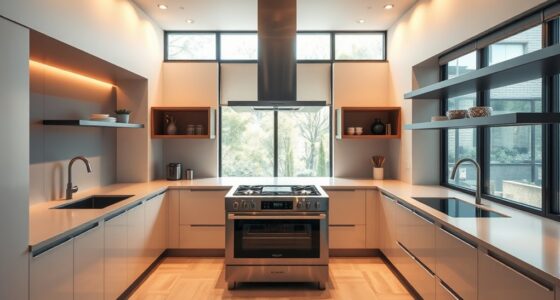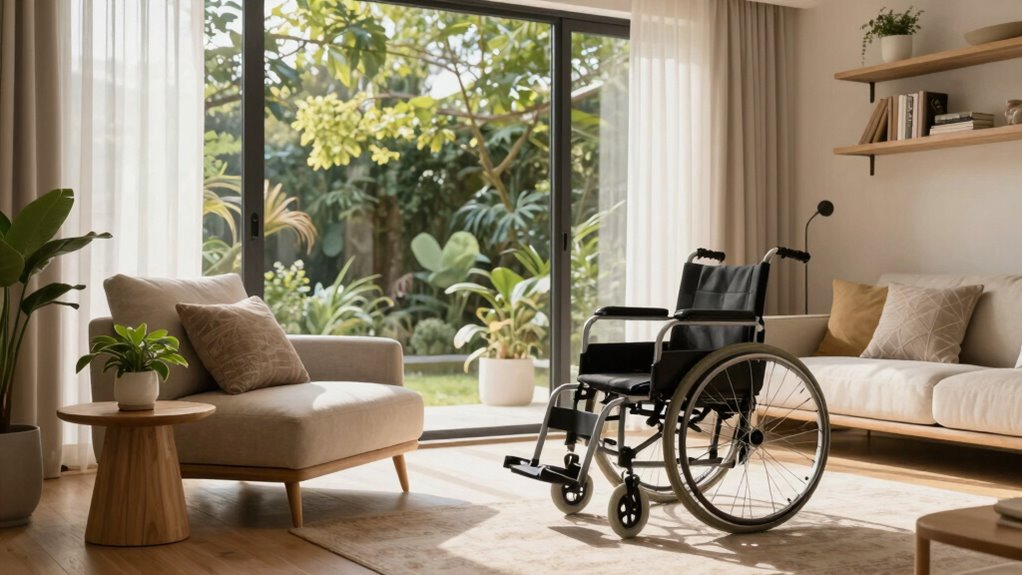

As you age, your home needs to support your independence, safety, and comfort. Wellness design and aging-in-place strategies now overlap because modern homes integrate technology and accessibility features that promote safety, health monitoring, and ease of daily tasks. From step-free entryways to smart devices, these innovations create personalized spaces that adapt to your evolving needs. If you’re curious about how to make your home more supportive and safe, there’s much more to explore.

Get decor and gifts delivered free with Prime
- Fast, free delivery on millions of items
- Prime Video, Amazon Music and more included
- Member-only deals all year
Key Takeaways
- Both prioritize safety, accessibility, and comfort to support independence as aging occurs.
- Advances in smart technology enable seamless integration of safety and wellness features at home.
- Wellness design enhances mental and physical health, aligning with aging-in-place goals for a better quality of life.
- Physical modifications and automation create personalized environments that adapt to evolving needs.
- The overlap promotes proactive, holistic approaches to aging that emphasize health, safety, and comfort simultaneously.

As more people choose to age in place, designing homes that promote wellness becomes essential for maintaining independence and quality of life. You want your living space to support your daily routines while guaranteeing safety and comfort. You want your living space to support your daily routines while guaranteeing safety and comfort. This is where the integration of smart technology and accessibility features plays a pivotal role. Smart technology allows you to control lighting, climate, and security systems effortlessly, often through voice commands or smartphone apps. These innovations help reduce the risk of accidents and make everyday tasks more manageable, especially as mobility or vision might decline over time. For instance, motion-activated lights can prevent falls at night, and smart thermostats help maintain a comfortable environment without constant adjustments.
Smart technology enhances safety and comfort, supporting independence for aging-in-place through effortless control and accident prevention.
Accessibility features are equally indispensable in creating an age-friendly home. You might consider installing wider doorways to accommodate mobility aids or adding grab bars in bathrooms to prevent slips. Lever-style door handles are easier to operate than knobs, making it simpler for those with arthritis or limited hand strength. Step-free entryways eliminate tripping hazards, while lowered countertops and accessible storage spaces enable you to perform tasks comfortably. These modifications don’t just enhance safety—they also promote a sense of independence by allowing you to perform daily activities without assistance. Incorporating assistive devices can further support your ability to live comfortably and safely. Additionally, integrating smart sensors can help automate safety checks and provide real-time feedback about your home environment.
The overlap of wellness design with aging-in-place strategies hinges on these technological and physical adaptations. Smart technology can monitor your health remotely, alerting caregivers or family members if something seems amiss. For example, sensors can track your movement patterns and detect falls or unusual inactivity, providing peace of mind. Voice assistants can remind you to take medications or hydrate, supporting your overall well-being. Incorporating biophilic design elements like indoor plants or natural light can improve mental health and create a calming atmosphere within your home. Furthermore, designing spaces that prioritize natural light and ventilation can enhance overall comfort and health, contributing to a more holistic wellness environment. The integration of home automation systems can also streamline daily routines and enhance overall safety, making it easier to manage your environment.
Combining these elements creates a holistic approach that prioritizes your health, safety, and independence. As you age, your home becomes a personalized sanctuary designed to support your wellness journey. Smart technology and accessibility features work together seamlessly, offering both practical benefits and emotional reassurance. They empower you to live comfortably and safely within your familiar environment, reinforcing the idea that aging in place isn’t just about staying put—it’s about thriving in a space tailored to your evolving needs. This synergy between innovative technology and thoughtful design underscores why wellness and aging-in-place trends now overlap more than ever, shaping homes that truly support lifelong independence.
smart home safety devices for elderly
As an affiliate, we earn on qualifying purchases.
As an affiliate, we earn on qualifying purchases.
Frequently Asked Questions
How Do These Trends Impact Community Planning?
These trends impact community planning by emphasizing urban accessibility and community engagement, making neighborhoods more inclusive for all ages. You’re encouraged to design spaces that support aging in place, fostering independence and wellness. This involves creating accessible sidewalks, transportation options, and gathering areas that invite participation. By prioritizing these elements, you help guarantee communities are welcoming, supportive, and adaptable, meeting the diverse needs of residents now and in the future.
What Costs Are Associated With Aging in Place and Wellness Design?
The costs associated with aging in place and wellness design include initial investments in design customization and modifications like ramps, wider doorways, or smart home tech. A thorough cost-benefit analysis helps you weigh these upfront expenses against long-term savings, such as reduced healthcare costs and delayed institutional care. While customization can be pricey initially, it enhances safety and independence, making it a worthwhile investment for sustainable, comfortable living.
How Do These Trends Influence Home Technology?
These trends push you to adopt smart home technology and accessibility features, making your home more user-friendly and safe. You’ll find smart devices like voice-activated assistants, automated lighting, and security systems enhance convenience. Accessibility features such as wider doorways, grab bars, and adjustable counters guarantee your space adapts to changing needs. Together, these innovations help you maintain independence, improve comfort, and promote wellness right within your home environment.
Are There Specific Materials Recommended for Aging-Friendly Homes?
Imagine stepping onto a bathroom floor where non-slip surfaces prevent falls, and the material’s durability guarantees long-lasting safety. For aging-friendly homes, choose materials like textured vinyl or slip-resistant tiles, which provide stability and withstand wear. These choices reduce accident risks and support independence, making daily routines safer. Prioritizing durable, non-slip surfaces helps create a comfortable, secure environment tailored for aging in place.
How Do Insurance Policies Support These Design Trends?
Insurance policies support these design trends through incentives and policy adaptations that promote aging-friendly homes. You might find discounts or reduced premiums when your home incorporates safety features like grab bars or non-slip flooring. Insurers are increasingly recognizing the benefits of wellness design, encouraging policy adjustments that reward homeowners for making modifications that reduce risks and enhance safety, ultimately fostering a safer, more accessible living environment for aging in place.
Conclusion
As you embrace the synergy of aging in place and wellness design, you’re not just creating a space—you’re crafting a sanctuary where independence and vigor flourish. Imagine your home as a haven that whispers reassurance with every detail, echoing the timeless truth that comfort and health are two sides of the same coin. In this dance of design, isn’t it your greatest achievement to turn your living space into a sanctuary of enduring well-being?
Fall Picks
fall essentials
As an affiliate, we earn on qualifying purchases.