
To make shared spaces work for all ages and abilities, you should incorporate accessible features like wide pathways, ramps, and non-slip surfaces for easy movement. Offer diverse seating options with shade and adjustable heights to suit everyone’s needs. Use clear signage and proper lighting to boost safety and navigation. Design with universal principles to include everyone, and regularly gather community feedback to improve the space. Keep exploring how these strategies can create welcoming environments for all.

Get decor and gifts delivered free with Prime
- Fast, free delivery on millions of items
- Prime Video, Amazon Music and more included
- Member-only deals all year
Key Takeaways
- Incorporate diverse seating options and activity zones to accommodate various age groups and mobility needs.
- Ensure pathways are wide, smooth, and equipped with ramps and curb cuts for easy access for all abilities.
- Use clear signage and proper lighting to enhance safety and navigation for users with visual impairments.
- Design with universal principles to create inclusive environments that adapt to evolving community needs.
- Regularly maintain features and gather community feedback to improve accessibility and usability over time.
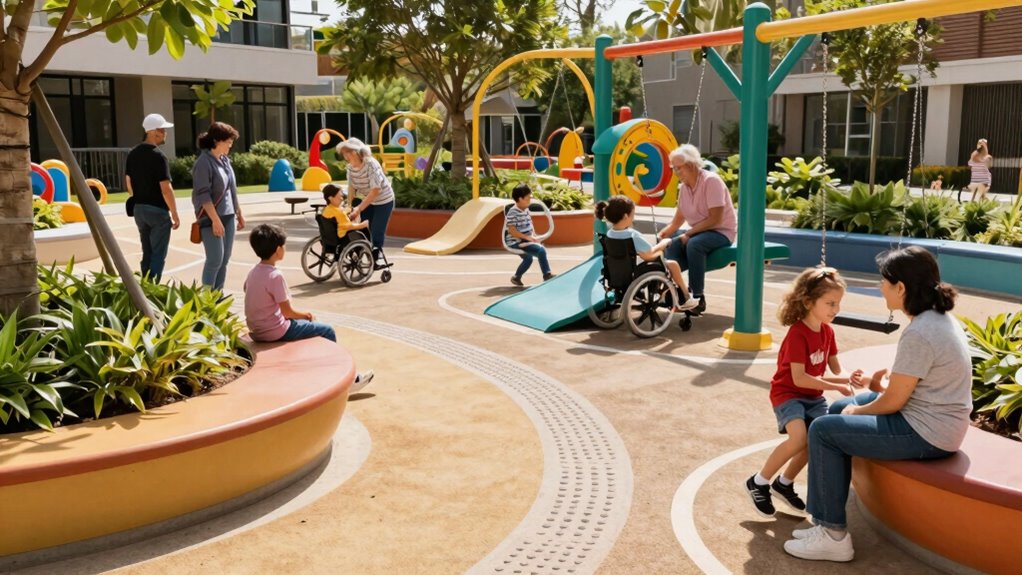
Shared spaces designed for people of all ages and abilities foster community and inclusivity, making public areas welcoming for everyone. When you focus on inclusive design, you guarantee that these spaces accommodate diverse needs, encouraging interaction and comfort for all users. Accessibility features are the backbone of this effort—they remove barriers that might otherwise exclude certain groups, whether they’re young children, seniors, or individuals with disabilities. To make shared spaces truly effective, you need to think beyond basic compliance and aim for thoughtful, user-centered solutions.
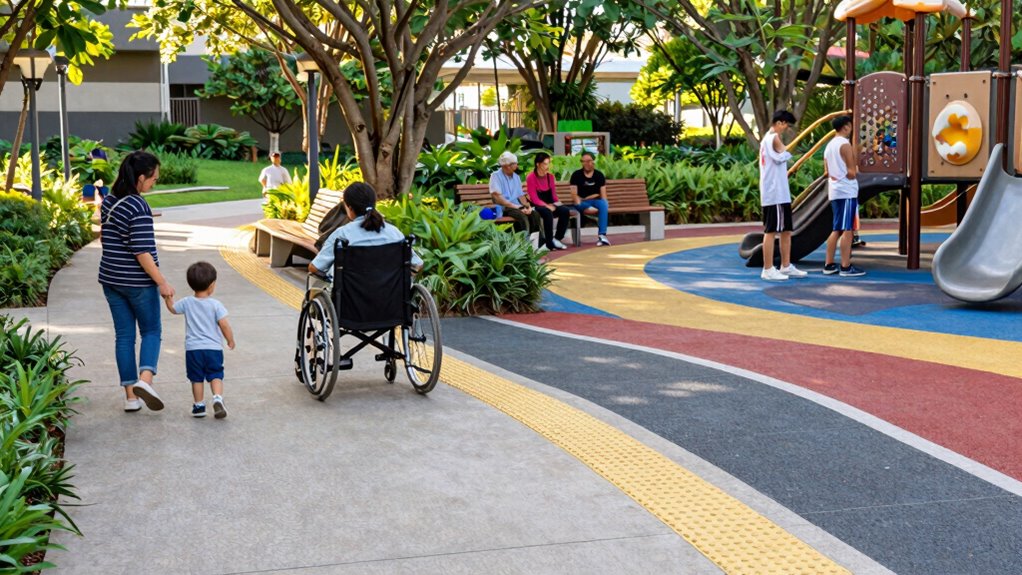
Start with the layout. Clear pathways that are wide enough for wheelchairs, strollers, and walkers help everyone move freely without feeling cramped or obstructed. Surface choices matter too; smooth, non-slip materials reduce fall risks and make navigation easier for those with mobility aids. Incorporating features like curb cuts and ramps ensures that people with physical disabilities can access all parts of the space without difficulty. By paying attention to these accessibility features, you’re making certain no one is left behind simply because of how the environment is designed. Regularly reviewing and updating these features based on community needs helps keep the space inclusive and adaptable over time. Additionally, staying informed about current accessibility standards ensures your shared space remains compliant and user-friendly.
Wide, unobstructed pathways with smooth, non-slip surfaces and accessible ramps promote inclusive movement for everyone.
Seating arrangements also play an essential role. Mix different types of seating—benches with armrests, low tables, and adjustable-height chairs—so users can choose what suits them best. Consider creating zones that cater to different activities and age groups, with options for quiet reflection, active play, or social gathering. These thoughtful arrangements foster community by encouraging people of all ages to interact comfortably. Shade structures, seating with sun protection, and accessible picnic areas further enhance usability across seasons and for various needs.
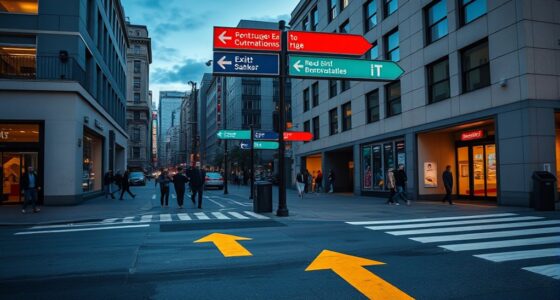
Lighting and signage are often overlooked but are critical for safety and clarity. Well-placed lighting helps those with visual impairments and ensures the space feels safe after dark. Clear, high-contrast signs with simple symbols guide users easily, reducing confusion and promoting independence. When you prioritize inclusive design, you’re not just adding features—you’re creating an environment that invites participation from everyone, regardless of their abilities. Incorporating universal design principles ensures the space remains accessible to a broader range of users and abilities.
Maintenance and ongoing feedback are equally important. Regularly checking accessibility features for wear and tear ensures they continue to serve their purpose. Listening to community members’ experiences and suggestions allows you to refine the space continually. By committing to these principles, you’re fostering a shared environment where all individuals feel valued, safe, and motivated to engage. Ultimately, making shared spaces work for different ages and abilities requires empathy, planning, and a dedication to accessibility—transforming public areas into truly inclusive communities.
accessible outdoor seating with adjustable height
As an affiliate, we earn on qualifying purchases.
As an affiliate, we earn on qualifying purchases.
Frequently Asked Questions
How Can Technology Enhance Accessibility in Shared Spaces?
Technology enhances accessibility in shared spaces by integrating assistive devices and digital tools that cater to diverse needs. You can install digital signage with adjustable font sizes and audio guides, making information easily reachable for everyone. Assistive devices like wheelchair-accessible ramps, voice-activated systems, and tactile interfaces guarantee inclusivity. By combining digital integration with physical adaptations, you create an environment where all users feel comfortable and engaged, regardless of age or ability.
What Funding Options Are Available for Inclusive Shared Space Projects?
You can access various funding sources like government grants, local community grants, and nonprofit organization funding for your inclusive shared space projects. Explore grant opportunities specifically aimed at improving accessibility and community development. You should also consider partnering with local businesses or foundations, which often support initiatives that foster inclusivity. Applying for these grants and funding options can help you secure the necessary resources to create spaces that serve everyone effectively.
How Do Cultural Differences Impact Shared Space Design?
Cultural differences are the threads that weave a vibrant tapestry in shared space design. You must consider cultural design and diversity considerations to create an environment that honors varied traditions, customs, and social norms. By understanding and respecting these differences, you foster inclusivity, ensuring everyone feels welcome. Incorporate local art, language, and symbols to celebrate diversity, making your shared space a harmonious blend of cultural expressions that unite rather than divide.
What Safety Measures Are Essential for All Age Groups?
You should implement universal design principles and safety protocols that suit all age groups. Guarantee pathways are wide and free of obstacles, with non-slip flooring. Install adequate lighting and clearly marked signage. Use rounded furniture edges and accessible features like ramps and handrails. Regularly inspect equipment and surfaces for hazards. These measures foster a safe, inclusive environment, encouraging everyone to use the shared space confidently and comfortably.
How to Encourage Community Feedback on Shared Space Usability?
Think of community feedback as a garden that needs tending. To encourage it, you can host regular events, like town hall meetings, or set up simple feedback mechanisms such as suggestion boxes and online surveys. Actively listen to residents’ ideas and concerns, showing that their voices matter. By fostering open dialogue and making feedback easy to share, you’ll cultivate a space where everyone feels empowered to shape their shared environment.
Conclusion
By thoughtfully designing shared spaces, you open the door to endless possibilities—where every age and ability finds their place. But the real question remains: how will you adapt and innovate as needs evolve? The future of inclusive environments hinges on your willingness to listen, learn, and reimagine. Stay tuned, because the next breakthrough could be just around the corner, waiting to transform your shared space into something truly extraordinary.
Halloween Picks
halloween
As an affiliate, we earn on qualifying purchases.