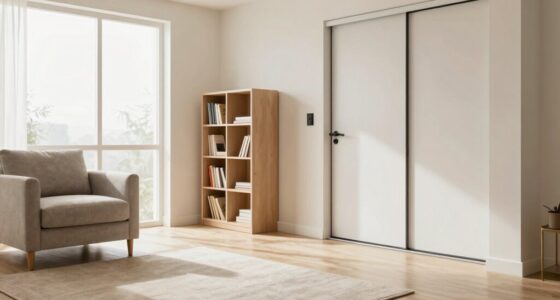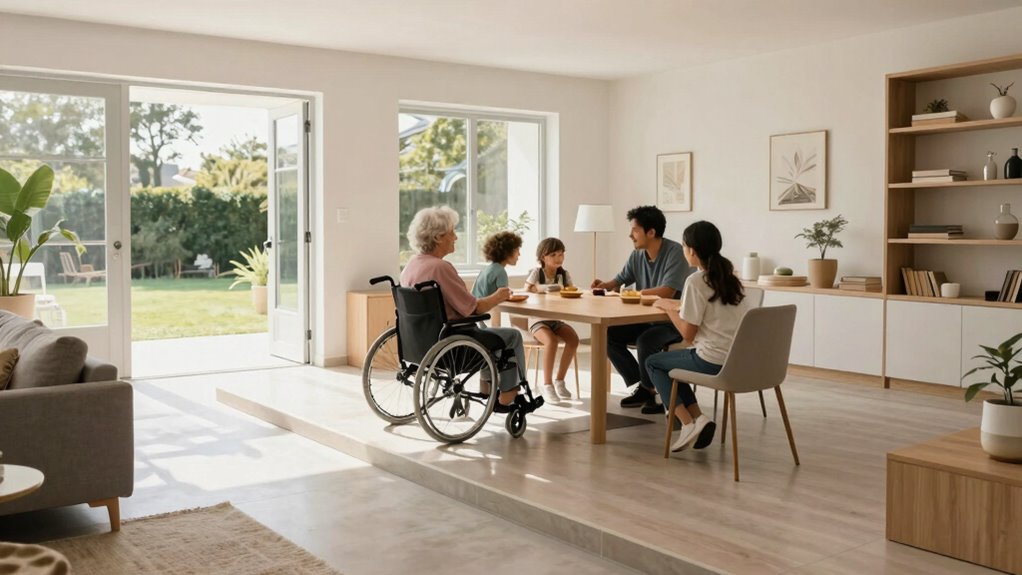

As a family, you’re recognizing the importance of universal design because it creates adaptable, inclusive spaces that support everyone’s needs, no matter their age or ability. These homes promote independence, safety, and smoother routines, reducing stress and reliance on assistance. They also foster connection and empathy through accessible play and shared environments. Embracing universal design means planning for change and sustainability, ensuring your family’s space remains safe and functional over time—there’s much more to discover about its benefits.

Get decor and gifts delivered free with Prime
- Fast, free delivery on millions of items
- Prime Video, Amazon Music and more included
- Member-only deals all year
Key Takeaways
- Growing awareness of aging populations and diverse abilities increases demand for adaptable, inclusive home environments.
- Advances in adaptive technology make universal design more accessible and affordable for families.
- Inclusive play and design support child development, social skills, and empathy among family members.
- Societal shifts toward aging in place and lifelong accessibility prioritize flexible, future-proof home layouts.
- Environmental sustainability and mental well-being are integrated into universal design, aligning with broader family and societal values.
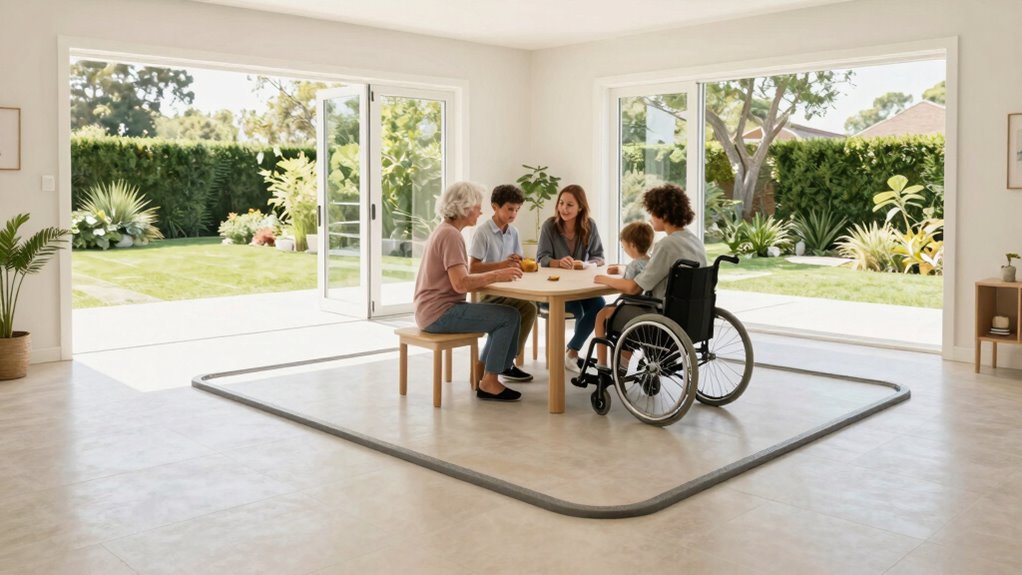
Have you ever considered how design can make family life easier and more inclusive? It’s a powerful idea that’s gaining momentum as more families recognize the benefits of universal design. This approach isn’t just about making spaces accessible; it’s about creating environments that support everyone’s needs, regardless of age, ability, or circumstance. When homes and public spaces are thoughtfully designed with universal principles, you’ll find that daily routines become smoother, stress decreases, and everyone feels more connected and valued.
Designing inclusive spaces makes family life easier, smoother, and more connected for everyone.
One of the driving reasons for this shift is the rise of adaptive technology. These innovative tools help bridge gaps that traditional design often overlooks. For example, voice-activated assistants, adjustable countertops, and smart home systems can be tailored to meet individual needs, making tasks like cooking, cleaning, or managing medication more manageable for family members with mobility or sensory challenges. Adaptive technology allows you to customize your environment, promoting independence and reducing reliance on constant assistance. As these tools become more affordable and user-friendly, families are increasingly eager to incorporate them into their homes, transforming them into truly inclusive spaces.
Inclusive play is another vital factor fueling the movement toward universal design. Children benefit immensely from environments where they can explore, learn, and interact without barriers. Designing play areas that accommodate children of all abilities encourages social interaction and developmental growth. You might opt for wide, level pathways, sensory-rich elements, or wheelchair-accessible swings and climbing structures. When families prioritize inclusive play, they foster a sense of belonging and empathy among children, teaching valuable lessons about diversity from a young age. It’s not just about providing fun; it’s about creating equitable spaces where every child can thrive and participate equally. Incorporating universal design principles into play areas can further enhance accessibility and inclusivity.
The increasing focus on universal design also stems from a broader societal shift toward inclusivity and aging in place. Families want homes that adapt as they grow older or as members’ needs change. This flexibility reduces the need for costly renovations later on and helps maintain independence within the home for longer periods. Plus, universal design benefits everyone—making everyday life safer, more comfortable, and more functional. Whether it’s wider doorways for easy wheelchair access or lever handles instead of knobs, these features improve usability across all ages and abilities. Designing with universal design principles in mind can also promote a more equitable and supportive environment for all residents. Incorporating biodiversity principles into home design can also enhance mental well-being and environmental sustainability, complementing the goals of universal accessibility. Additionally, integrating adaptive technology and inclusive features encourages sustainable and environmentally friendly practices in home design.
Products Worth Considering

Levoit Eleva 300X HEPA Air Purifier for Home and Bedroom

Philips Hue Large Smart Light Tube, Black – White and Color Ambiance LED Color-Changing Light – 1 Pack

Philips Hue Bridge Pro Smart Lighting Hub
As an affiliate, we earn on qualifying purchases.
Frequently Asked Questions
How Does Universal Design Influence Family Budget Planning?
Universal design influences your family budget planning by emphasizing aesthetic flexibility and design customization, which can reduce future renovation costs. You’ll invest in adaptable features that suit evolving needs, saving money long-term. While initial costs might be higher, the ability to customize and create a versatile space means you won’t need frequent updates or modifications, making your budget more predictable and manageable over time.
Are Universal Design Features Adaptable for Future Family Needs?
Think of universal design features as a flexible canvas that adapts to your family’s evolving needs. With future adaptability and customization options, you can easily modify spaces to suit new requirements, much like adding new colors or strokes to a painting. This way, your home remains functional and welcoming, no matter how your family grows or changes. Universal design isn’t just for now—it’s built for your future.
What Are the Common Misconceptions About Universal Design Costs?
Many people think universal design costs are prohibitively high, but that’s a misconception. With proper cost estimation, you’ll see that investing in flexible designs often saves money long-term, as they adapt to changing needs without costly renovations. The key is understanding that design flexibility can reduce future expenses, making universal design a smart, cost-effective choice. Don’t let myths deter you from creating a functional, inclusive space.
How Does Universal Design Impact Daily Family Routines?
Universal design acts like a well-oiled machine, seamlessly integrating into your daily routines. It enhances interior aesthetics while ensuring outdoor accessibility, so everyone can move effortlessly through your home. You’ll find chores easier, family interactions more fluid, and outings more inclusive. By removing barriers, universal design transforms your living space into a harmonious environment where comfort and functionality support your family’s rhythm every day.
Can Universal Design Improve Home Safety for All Ages?
Yes, universal design can improve home safety for all ages by incorporating features like wider doorways and non-slip flooring, which reduce fall risks. You’ll also appreciate the aesthetic appeal and design flexibility, allowing your home to look stylish while accommodating changing needs. This approach guarantees safety without sacrificing beauty, making your space more comfortable and secure for everyone, from children to seniors.
Conclusion
As you weave universal design into your family’s fabric, you’re crafting a tapestry of inclusivity that embraces everyone. It’s like planting a sturdy tree whose branches reach out to shelter all, regardless of age or ability. By prioritizing thoughtful design, you’re not just building spaces—you’re nurturing a future where every member can thrive, like stars shining brightly in a shared sky. Embrace this evolution, and watch your family’s world blossom into a sanctuary for all.