
To keep your medical and comfort devices running during outages, identify which devices are critical and choose backup options like portable generators, UPS, or battery systems suited to your needs. Always follow safety instructions, especially when using generators indoors, and test your backups regularly to guarantee they’re ready. Planning ahead and sharing your plan with loved ones helps reduce stress and keeps everyone safe. Keep exploring to discover more ways to stay prepared and protect your wellbeing.

Get decor and gifts delivered free with Prime
- Fast, free delivery on millions of items
- Prime Video, Amazon Music and more included
- Member-only deals all year
Key Takeaways
- Identify and prioritize critical devices like oxygen concentrators and ventilators for backup power needs.
- Choose suitable backup options such as portable generators, UPS, or battery systems based on outage duration.
- Regularly test backup solutions and maintain equipment to ensure readiness during emergencies.
- Follow safety guidelines when operating generators and ensure proper ventilation in enclosed spaces.
- Share emergency plans and device operation instructions with family or caregivers for coordinated response.

Have you ever considered what happens to your medical or comfort devices during a power outage? If not, it’s time to start thinking about emergency preparedness and how to keep your essential devices running when the power goes out unexpectedly. Power outage solutions aren’t just for big emergencies; they’re a crucial part of ensuring your health and comfort are maintained under any circumstances. A simple, proactive plan can make a significant difference in managing these situations smoothly and safely.
Preparing for power outages ensures your essential devices keep you safe and comfortable in any situation.
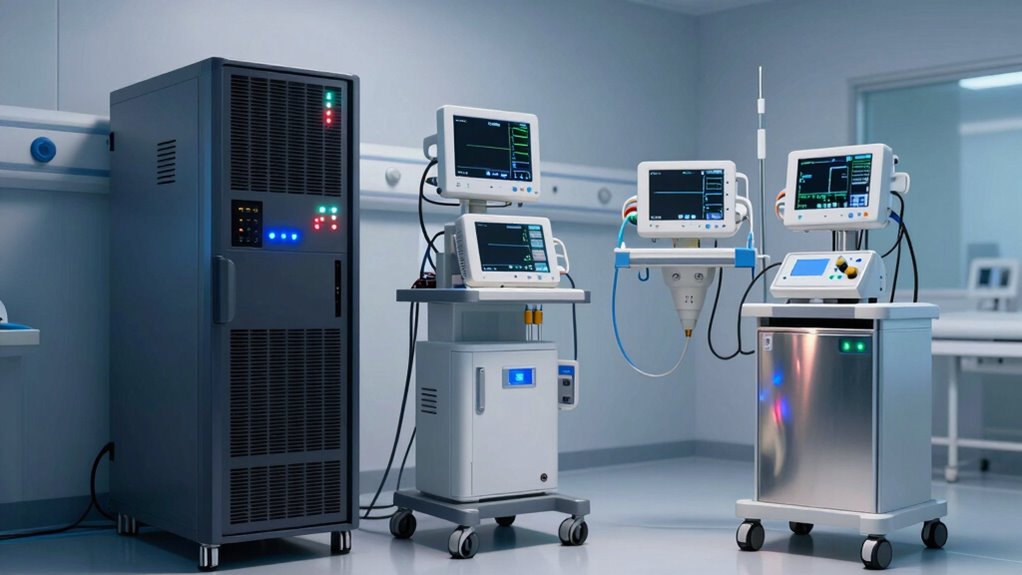
First, you should identify which devices are critical for your well-being. This might include oxygen concentrators, CPAP machines, ventilators, or even simple comfort devices like heated blankets or electric wheelchairs. Once you know what’s essential, you can assess your options for backup power. Portable generators are a popular choice because they provide a reliable source of electricity, but they require careful handling and proper placement to ensure safety. Alternatively, uninterruptible power supplies (UPS) systems can keep smaller devices running for a limited time, giving you a window to switch to alternative solutions or prepare for the power to return.
Planning ahead is key. Determine how long you might need backup power, especially if outages tend to last several hours or longer in your area. This will help you choose the right equipment—whether a generator capable of supporting multiple devices or a battery system that can sustain life-critical devices temporarily. Remember, safety is paramount. Always follow manufacturer instructions for your devices and backup equipment, and ensure you have proper ventilation if you’re using a generator indoors or in enclosed spaces. Incorporating sustainable living practices into your emergency plan can also help reduce overall environmental impact while ensuring resilience. Understanding your area’s power outage patterns can help you better prepare for different scenarios. Additionally, being aware of backup power options available on the market can help you make informed decisions tailored to your needs.
It’s also wise to prepare a portable kit that contains your essential devices, chargers, batteries, and any necessary accessories. Keep this kit in an easily accessible location, so you’re ready to respond quickly when the power goes out. Regularly test your backup solutions to ensure they work when needed. This way, you avoid surprises during an emergency, and you’re confident in your ability to keep your devices powered. Moreover, understanding power consumption of your devices can help you select the most efficient backup solutions, saving time and resources during critical moments.
In addition, communicate your needs with family members or caregivers. Make sure everyone understands the plan and knows how to operate backup devices and systems. If you’re in a community or have neighbors who rely on similar equipment, coordinate your emergency preparedness efforts. Simple steps like these create a thorough approach to power outage solutions, reducing stress and ensuring safety.
portable generator for medical devices
As an affiliate, we earn on qualifying purchases.
As an affiliate, we earn on qualifying purchases.
Frequently Asked Questions
How Often Should Backup Power Systems Be Tested?
You should test your backup power systems at least once a month to guarantee battery maintenance is up to date and the system works during power outage preparedness. Regular testing helps identify potential issues early, so you can address them before an emergency. Make sure to follow manufacturer guidelines for testing procedures, and replace batteries as needed to keep your backup power reliable and ready when you need it most.
What Is the Lifespan of Common Backup Batteries?
Your backup batteries typically last between 3 to 5 years, but their true lifespan depends on diligent battery maintenance and proper usage. Regularly checking and maintaining them can extend their lifespan estimation, ensuring your medical and comfort devices stay reliable when you need them most. Remember, taking care of your batteries isn’t just maintenance—it’s a promise of safety and peace of mind for your loved ones.
Are There Specific Regulations for Backup Power in Healthcare Settings?
Yes, healthcare settings must follow specific regulations for backup power. You need to guarantee regulatory compliance with standards like the NFPA 99 or the Joint Commission, which require backup power systems to be reliable and available during outages. Safety standards mandate regular testing and maintenance of backup batteries and generators to protect patient safety and ensure continuous operation of critical medical and comfort devices. Staying updated on these regulations helps you maintain a safe environment.
How Much Does a Backup Power System Typically Cost?
A penny saved is a penny earned, especially when it comes to backup power systems. Typically, costs range from $5,000 to $15,000 depending on size, capacity, and features. You should consider cost considerations alongside installation requirements, which include space, electrical connections, and maintenance. While initial costs can seem high, investing in reliable backup power guarantees safety and peace of mind during outages, making it a worthwhile expense.
Can Portable Generators Replace Stationary Backup Systems?
Portable generators can sometimes replace stationary backup systems, but it depends on your needs. Portable vs. stationary power sources differ mainly in size, capacity, and convenience. Portable generators offer greater flexibility and are easy to move, making them suitable for short-term or emergency use. However, stationary systems provide more reliable, continuous power for critical medical or comfort devices. Choose based on your required power source flexibility and the importance of uninterrupted operation.
Conclusion
Having backup power isn’t just about convenience; it’s about peace of mind during life’s unexpected moments. When you plan ahead, you’re not only safeguarding your health and comfort but also creating a safety net that can catch you when you need it most. Sometimes, the smallest precautions reveal the biggest reassurance—proof that even in uncertainty, preparation can turn coincidence into confidence, ensuring you’re always ready for what comes next.
Halloween Picks
halloween
As an affiliate, we earn on qualifying purchases.