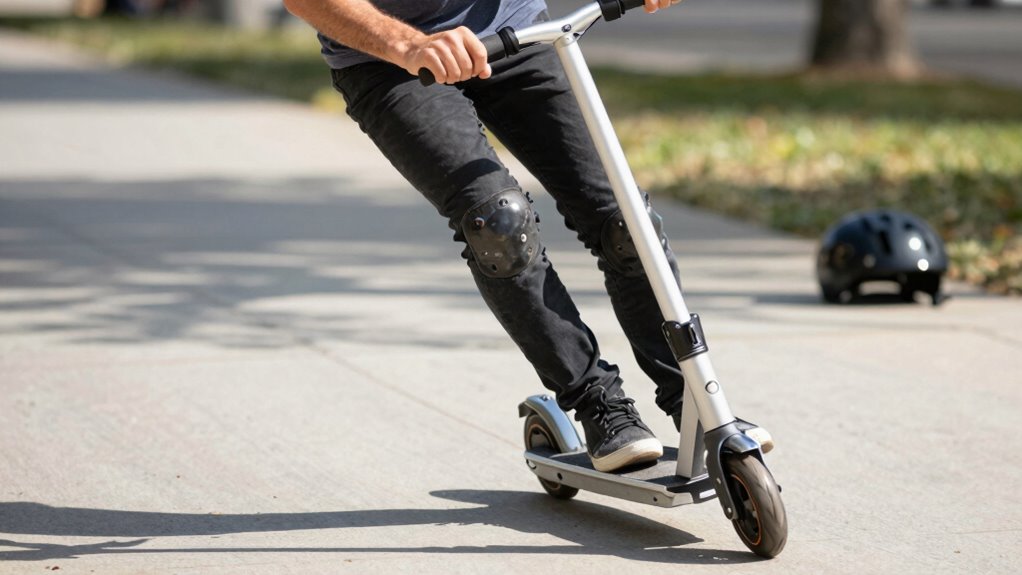
To stay safe on your knee scooter, gear up with a sturdy helmet, knee pads, and wrist guards. Stick to smooth indoor surfaces and be cautious on outdoor terrains—avoid grass and gravel. Master braking by using both hand and foot brakes, and practice emergency stops. When turning, lean into the turn and maintain a firm grip. Keep your scooter well-maintained for better stability. There’s more to uncover about mastering your ride and enhancing safety.
Key Takeaways
- Always wear quality safety gear, including helmets and knee pads, to reduce injury risk while using a knee scooter.
- Practice proper braking techniques, using both hand and foot brakes for safe stopping in various terrains.
- Maintain body alignment and lean into turns for better control and stability while navigating corners.
- Regularly inspect and maintain your scooter, checking wheels and brakes to ensure optimal performance and safety.
- Stay aware of your surroundings, avoiding obstacles and uneven surfaces to prevent accidents and falls.
Essential Safety Gear for Knee Scooters
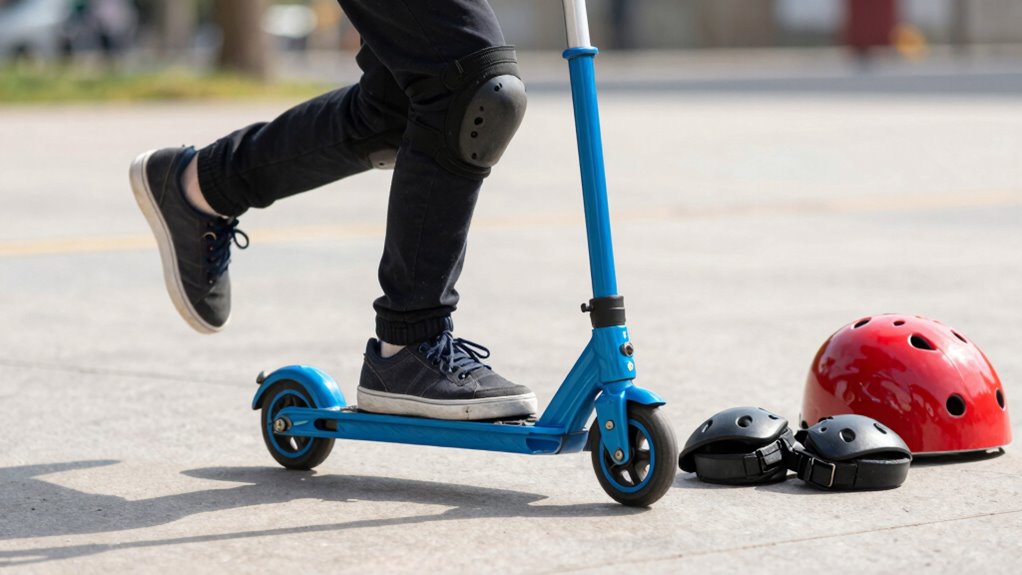
When you hop on a knee scooter, safety gear is your best friend. You wouldn’t ride a bike without a helmet, right? The same goes for your knee scooter. Invest in quality safety equipment like a sturdy helmet to protect your head. Knee pads are essential too; they’ll cushion any falls and keep your knees safe. Don’t forget wrist guards—they help prevent injuries if you happen to lose your balance. Reflective vests can also increase your visibility, especially in low-light conditions. Proper safety gear can significantly reduce the risk of injury and boost your confidence while riding. By wearing this protective gear, you’ll feel more confident traversing your surroundings. Remember, safety isn’t just a suggestion; it’s a necessity. So gear up, stay safe, and enjoy your knee scooter experience! Staying aware and making smart choices are key to safe riding. Wearing protective gear similar to that used in other forms of two-wheeled transportation can further enhance your safety.
Best Surfaces for Your Knee Scooter
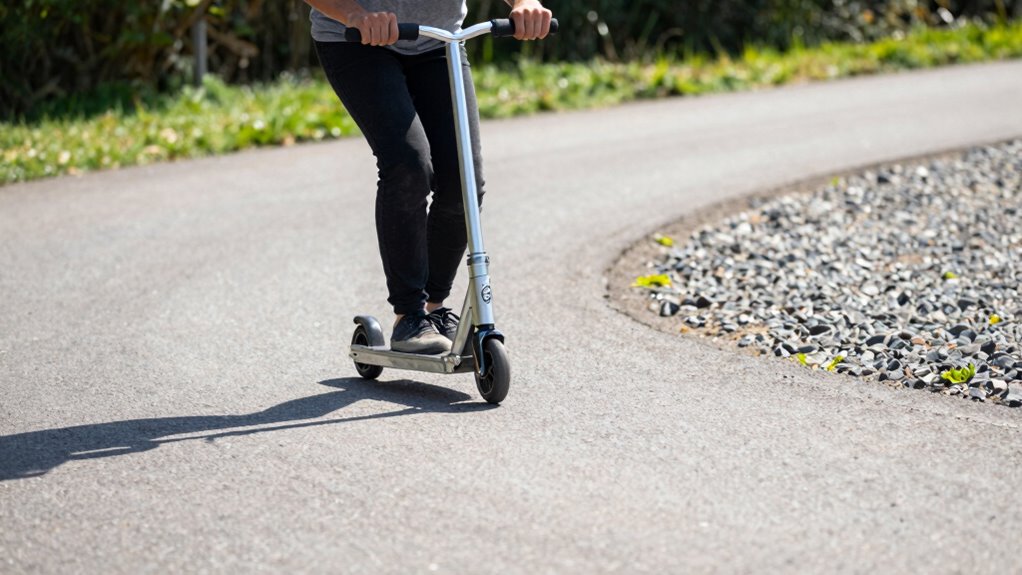
When using your knee scooter, the surface you choose can make a big difference in your safety and comfort. Smooth indoor surfaces like tile or hardwood are ideal, while outdoor terrain can present challenges you need to take into account. Let’s explore which surfaces work best for your rides. Incorporating adaptive lighting and other smart features can also enhance visibility and safety during your rides. Choosing the right surface can help prevent slips and falls, ensuring a safer experience. Additionally, understanding home surface types can help you select the most suitable environment for your mobility needs. Being aware of surface traction can further improve your riding stability and confidence.
Smooth Indoor Surfaces
Although traversing indoor spaces can be challenging on a knee scooter, having smooth surfaces makes the experience much easier and safer. Smooth floors, like hardwood, laminate, or tile, allow for effortless movement and better control. You’ll notice the smooth surface advantages as you glide without worrying about bumps or cracks that could throw you off balance. Additionally, being aware of microplastics in dust can help you choose surfaces that minimize dust accumulation, contributing to better indoor air quality and a healthier environment. Practicing good knee scooter etiquette is essential too; be mindful of others and navigate around them calmly. Always signal your direction and maintain a steady pace. Using appropriate footwear can also enhance your grip and stability on smooth floors. Selecting floors with low dust accumulation can further improve indoor air quality and reduce health risks. Being conscious of floor material can help you select the safest and most suitable surface for your scooter rides. With the right indoor surfaces and a little courtesy, you can enjoy a seamless ride, reducing the risk of accidents while keeping your surroundings safe for everyone.
Outdoor Terrain Considerations
Maneuvering outdoor terrain on a knee scooter requires careful consideration of the surfaces you’ll encounter. Ideally, you want to stick to smooth surfaces like paved sidewalks or parking lots, as they provide the best stability. Watch out for uneven pathways, which can throw you off balance and increase your risk of tipping over. Grass and gravel may seem inviting but can pose challenges due to their softness and irregularity. Be mindful of outdoor obstacles, like curbs or cracks in the pavement; they can be tricky to navigate. Always scan your route ahead to identify potential hazards. By choosing the right surfaces and staying vigilant, you’ll enjoy a safer and more comfortable ride on your knee scooter.
How to Brake Effectively on Your Knee Scooter
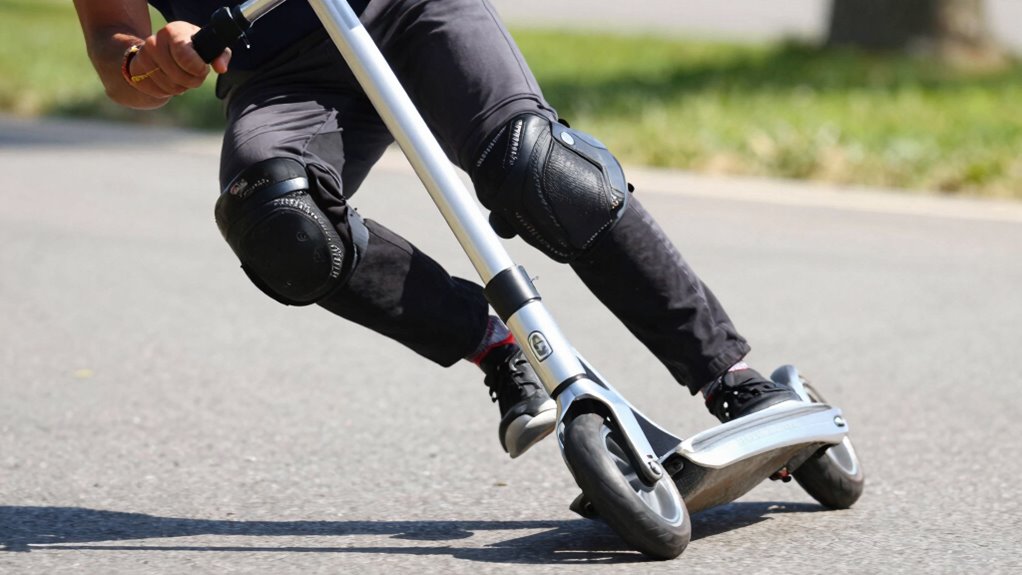
Braking effectively on your knee scooter is essential for your safety and control. Knowing the right braking techniques can prevent accidents and help you navigate various terrains. Here are some key methods to take into account:
| Braking Technique | Description |
|---|---|
| Handbrake | Use the handbrake for gradual stops. |
| Foot Brake | Apply the foot brake for a firm stop. |
| Emergency Stop | Shift weight back and apply both brakes simultaneously. |
| Gradual Deceleration | Ease off the throttle to slow down smoothly. |
Practice these techniques regularly, especially for emergency stops. Familiarizing yourself with these methods will make your rides safer and more enjoyable. Stay in control, and you’ll avoid unwanted face-plants! Additionally, understanding braking techniques can help you respond quickly in unexpected situations, especially when terrain variations require quick adjustments. Proper battery management is also crucial to ensure your scooter is reliable when you need to brake suddenly. Being aware of your surroundings and maintaining a clear path will further enhance your safety during braking maneuvers. Remember that consistent practice can improve your confidence and reaction time in critical moments.
Tips for Turning Smoothly on Your Knee Scooter
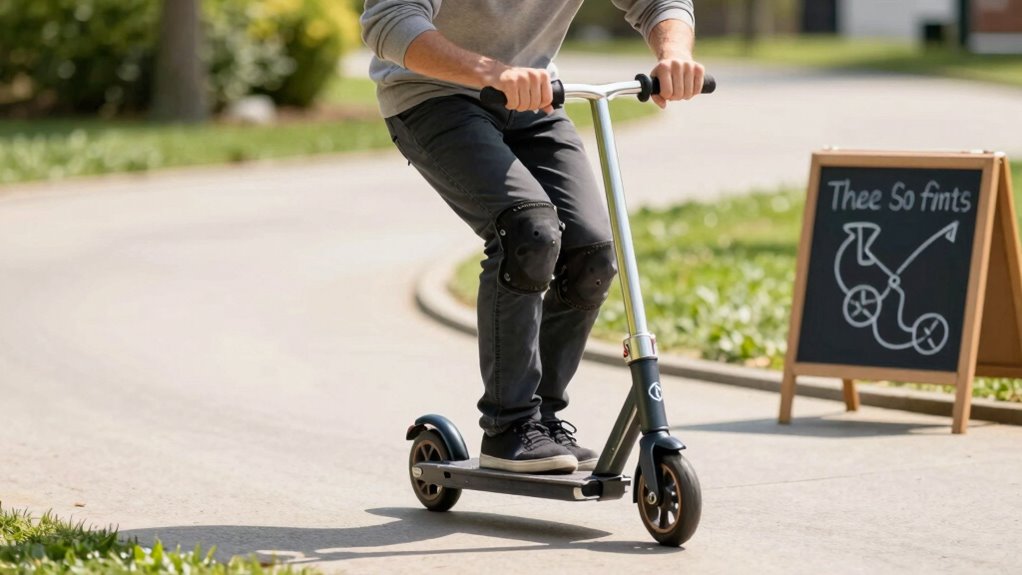
Turning smoothly on your knee scooter starts with the right body positioning. Make sure you lean slightly into the direction you want to go, using the handlebars to guide your turn. This balance helps you maintain control and keeps your ride safe.
Body Positioning Matters
While maneuvering your knee scooter, body positioning plays an essential role in achieving smooth turns. Start by ensuring your body alignment is straight and centered over the scooter. This helps maintain balance and control. As you prepare to turn, shift your weight distribution slightly toward the direction you want to go. This shift not only aids in steering but also prevents tipping. Keep your knee on the scooter pad and your other foot firmly on the ground for stability. Remember to lean slightly into the turn, allowing your body to guide the scooter smoothly. Practicing these techniques will enhance your confidence and make traversing tight spaces much easier. Stay aware of your body’s position, and enjoy the ride!
Use Handlebars Effectively
Mastering your handlebar control is key to turning smoothly on your knee scooter. Start by maintaining a firm handlebar grip; this gives you the steering control you need for precise maneuvers. When you approach a turn, lean slightly into it while keeping your body balanced. Use your legs to help guide the scooter through the curve, allowing your upper body to follow. Avoid oversteering; small, controlled adjustments will help you maintain stability. Practice turning in both directions to build confidence and improve your technique. Remember, the more you practice, the better your control will become, reducing the chance of accidents. With these tips, you’ll navigate corners like a pro and enjoy your ride safely!
How to Avoid Common Knee Scooter Mistakes
Using a knee scooter can be a game-changer for mobility, but it’s essential to steer clear of common mistakes that could lead to accidents or discomfort. First, always follow knee scooter etiquette—be aware of your surroundings and signal when you’re turning. Avoid sudden stops or sharp turns, as these can cause you to lose balance. Make sure your knee is securely positioned, preventing unnecessary strain and discomfort. Pay attention to uneven surfaces; they can be tricky and lead to falls. Additionally, understanding projector technology can help you choose the best equipment for your needs, ensuring a smoother experience. Regularly practicing emergency preparedness can also help you stay confident and safe in unexpected situations. Being familiar with ergonomic principles can further improve your comfort and reduce strain during use. Taking the time to learn about proper maintenance can extend the lifespan of your knee scooter and keep it functioning safely. A good understanding of cold medications can also help you avoid side effects that might impair your balance or coordination. Finally, practice common injury prevention by maintaining a safe distance from others and keeping your path clear of obstacles. By following these tips, you’ll enhance your experience and stay safe on your knee scooter.
Maintaining Your Knee Scooter for Longevity
To fully enjoy your knee scooter experience, proper maintenance is key to guaranteeing its longevity. Regular routine checks can prevent issues and keep your scooter in top shape. Here’s a quick guide to help you stay on track:
| Task | Frequency | Purpose |
|---|---|---|
| Check wheels | Weekly | Guarantee smooth rolling |
| Inspect brakes | Weekly | Confirm effective stopping |
| Tighten bolts | Monthly | Maintain stability |
Frequently Asked Questions
Can I Use a Knee Scooter Outdoors in Bad Weather?
You can use a knee scooter outdoors in bad weather, but you need to take some precautions. Make sure your scooter’s wheels and brakes are in good condition through regular maintenance. Wet surfaces can be slippery, so be cautious when turning or stopping. If it’s raining or icy, consider staying indoors to avoid accidents. Always prioritize your safety and assess the weather before heading out on your knee scooter.
How Do I Transport My Knee Scooter in a Vehicle?
To transport your knee scooter, first fold it for easy storage. Next, you’ll want to position it securely in your vehicle. Make sure to check that it fits snugly, minimizing movement during transit. You can also use straps for stability. When loading, lift with care to avoid strain. This simple strategy keeps your knee scooter safe and sound, ensuring it’s ready for your next adventure, rain or shine!
Are Knee Scooters Suitable for Tall Individuals?
Yes, knee scooters can be suitable for tall individuals. Many models feature adjustable height settings, allowing you to customize the scooter to your comfort. Proper knee scooter ergonomics are essential; they guarantee your leg is positioned correctly, reducing strain. When you adjust the height, make certain your knee rests comfortably on the pad, and your foot can touch the ground. This way, you’ll enjoy better balance and control while using the scooter.
What Should I Do if My Knee Scooter Breaks?
If your knee scooter breaks, first check for any obvious issues like loose bolts or flat tires. For quick fixes, keep a basic emergency repair kit handy, including tools and patches. Regular knee scooter maintenance can prevent breakdowns, so inspect it often. If you can’t resolve the problem, contact the manufacturer or a repair shop for professional help. Don’t let a malfunction keep you from getting around safely!
Can I Use My Knee Scooter on Uneven Terrain?
You can use your knee scooter on uneven terrain, but it requires caution. To maintain knee scooter stability, focus on your balance and take it slow. Use uneven surface techniques, like leaning slightly forward and adjusting your weight to navigate bumps. Avoid steep inclines and deep cracks, as they can cause tipping. Always keep an eye out for potential obstacles, and don’t hesitate to stop if you feel unstable.
Conclusion
Injuries from falls on knee scooters are surprisingly common, with nearly 30% of users experiencing mishaps. To stay safe and enjoy the ride, always wear essential safety gear and choose smooth surfaces. Remember to practice your braking and turning techniques, and steer clear of common mistakes. By maintaining your scooter and being mindful, you’ll not only extend its life but also enhance your confidence on it. So roll safely and make the most of your knee scooter experience!