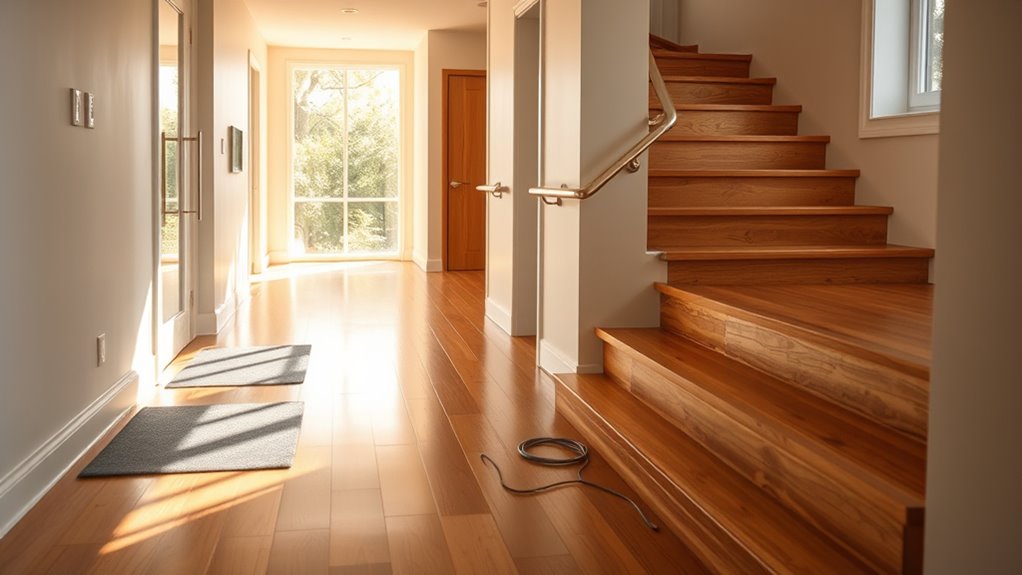

To prevent falls, regularly identify and address hazards in your environment. Check for uneven flooring, loose rugs, clutter, and poor lighting that can hide dangers. Install grab bars, fix handrails, and keep walkways clear and well-lit. Wear footwear with good traction and be mindful of risky behaviors like rushing or carrying heavy items. Staying proactive with hazard assessments and safety improvements helps protect your independence; explore additional tips to keep safe at all times.

Get decor and gifts delivered free with Prime
- Fast, free delivery on millions of items
- Prime Video, Amazon Music and more included
- Member-only deals all year
Key Takeaways
- Regularly assess your environment for hazards like clutter, uneven flooring, and poor lighting to identify potential fall risks.
- Install safety features such as grab bars and sturdy handrails in key areas like bathrooms and stairs.
- Ensure walkways are clear, well-lit, and free of obstacles to improve visibility and reduce slip hazards.
- Use appropriate footwear with good traction and avoid rushing or carrying heavy objects that compromise balance.
- Continuously monitor and modify your environment to address new hazards and maintain a safe living space.
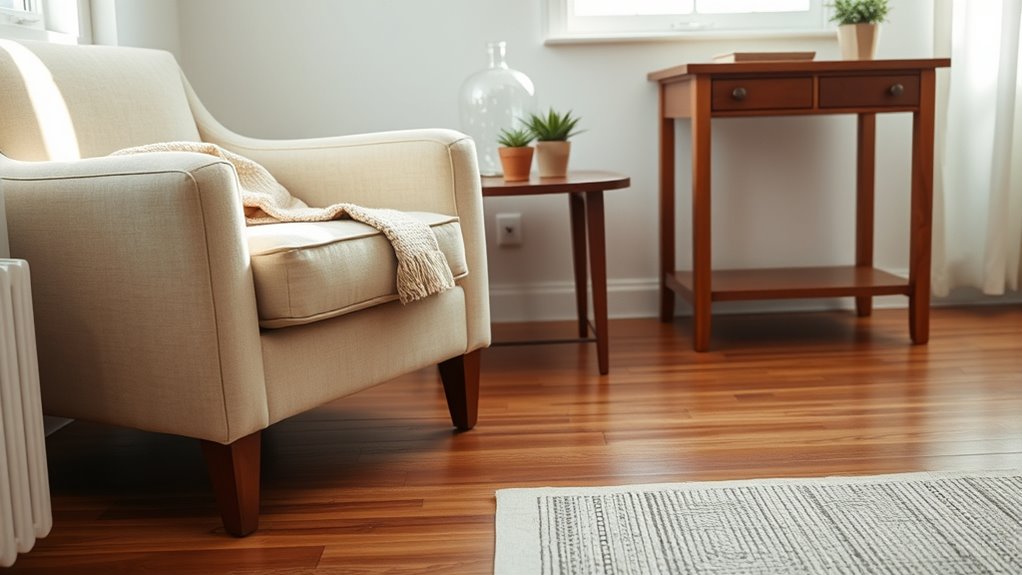
Falls can happen unexpectedly and lead to serious injuries, especially among older adults. That’s why understanding how to prevent falls is so important. One of the most effective methods is through safety education, which empowers you with the knowledge to recognize potential hazards and take proactive steps to minimize risks. When you’re familiar with common fall risks, you can better evaluate your environment and make necessary adjustments. Safety education isn’t just about awareness; it’s about giving you practical strategies to stay safe every day.
Understanding fall risks and safety strategies empowers you to stay safe and independent every day.
A key part of fall prevention is hazard assessment. You need to regularly analyze your surroundings for anything that could cause a stumble or fall. Look for uneven flooring, loose rugs, clutter, or cords crossing walkways. Pay close attention to lighting—poorly lit areas can hide hazards or make it difficult to see obstacles. Don’t forget to check stairs for sturdy handrails and secure steps, as missing or loose handrails increase fall risk considerably. By systematically evaluating your environment, you can spot hazards early and address them before an accident occurs.
Incorporating safety education into your routine helps you develop an eye for potential dangers. For example, understanding that wet floors or icy walkways are slippery surfaces encourages you to clean spills immediately or wear shoes with good traction. Learning about the importance of proper footwear can make a big difference in maintaining stability. It also helps you recognize behavioral risks, like rushing or carrying heavy objects that impair your balance. When you’re educated about these factors, you’re more likely to take precautions, such as using assistive devices or asking for help when needed.
Hazard assessment should be a continuous process. Your environment changes over time, and so do your abilities. Regularly checking for new hazards ensures you stay ahead of potential dangers. If you notice a loose handrail or a cluttered hallway, take swift action to fix it or remove the obstacle. Keep pathways clear and well-lit, and consider installing grab bars in key areas like bathrooms. Simple modifications, guided by your ongoing hazard assessment, can considerably reduce the likelihood of falls.
Additionally, integrating industry best practices can provide you with the latest strategies and insights to further reduce fall risks. Ultimately, preventing falls requires a proactive approach that combines safety education with regular hazard evaluation. By staying informed about common risks and diligently analyzing your environment, you can create a safer space for yourself or loved ones. Remember, the goal isn’t just to react to hazards but to identify and eliminate them before they cause harm. This mindset keeps you prepared and confident, helping you maintain your independence and quality of life.
As an affiliate, we earn on qualifying purchases.
Frequently Asked Questions
How Often Should Safety Audits Be Conducted?
You should conduct safety audits regularly, ideally every three to six months, to guarantee ongoing safety. Maintain consistent inspection frequency and follow thorough audit procedures to identify new hazards promptly. Regular audits help you spot issues early, allowing you to implement corrective actions before accidents happen. Adjust the frequency based on your workplace’s specific risks and previous findings, ensuring continuous improvement in safety and fall prevention.
What Are the Latest Fall Prevention Technologies?
You should consider the latest fall prevention technologies like smart sensors and wearable devices. Smart sensors can detect movement patterns and alert you to instability, while wearable devices monitor essential signs and balance, providing real-time feedback. These innovations help you identify fall risks early and take proactive measures. By integrating these technologies into your safety plan, you greatly reduce the chances of accidents and enhance overall safety.
How Can Falls Be Prevented in Elderly Care Homes?
Falls can be stopped in elderly care homes if you focus on environmental modifications and resident mobility. You should remove hazards like loose rugs and make sure proper lighting to create a safer environment. Encouraging residents to stay active and supported with mobility aids helps maintain their strength and balance. Regular assessments and staff training are vital, turning your care home into a fortress against falls, protecting every resident like precious treasure.
What Training Is Recommended for Staff on Fall Hazards?
You should prioritize staff education on fall hazards, ensuring they understand how to recognize potential risks in the environment. Provide training sessions that focus on hazard recognition, including identifying slippery surfaces, clutter, and poor lighting. Encourage ongoing learning and practical assessments to reinforce safety protocols. Well-trained staff can proactively spot hazards and take prompt action, markedly reducing fall risks among residents and creating a safer care environment.
How Do Weather Conditions Influence Fall Risks?
Imagine walking outside during icy weather; slick surfaces and snow-covered terrain challenge your balance, increasing fall risks. Weather hazards like rain, ice, or snow make walking surfaces slippery and unpredictable, heightening fall risks. You should be aware that terrain challenges worsen these risks, especially on uneven or cluttered paths. Always check weather conditions before heading out, wear appropriate footwear, and take extra care to prevent slips and falls in adverse weather.
Conclusion
By staying alert and addressing hazards, you can considerably reduce your risk of falling. Did you know that falls are the leading cause of injury among adults over 65, accounting for nearly 30% of all injury-related hospitalizations? Taking simple steps like clearing clutter, installing grab bars, and wearing proper footwear can make a huge difference. Stay proactive, stay safe, and protect yourself from preventable falls—your health depends on it.
Halloween Picks
halloween
As an affiliate, we earn on qualifying purchases.