
To reduce trip hazards, guarantee proper lighting by strategically placing bright, focused lights along walkways, stairs, and dark corners. Use motion-activated lights in areas prone to low visibility to provide instant illumination when needed, and install emergency lighting to guide you during power outages. Regularly maintain bulbs and sensors to keep the system effective. By combining these approaches, you create a safer environment—there’s more to discover about effective lighting tactics ahead.
Key Takeaways
- Ensure pathways are well-lit with strategically placed lights to eliminate shadows and dark corners.
- Implement motion detection lighting to automatically illuminate areas when movement is detected.
- Install emergency lighting along escape routes and stairwells for visibility during power outages.
- Regularly inspect and maintain lighting fixtures, bulbs, and sensors to ensure optimal performance.
- Combine layered lighting solutions, such as general, task, and emergency lights, for comprehensive safety coverage.
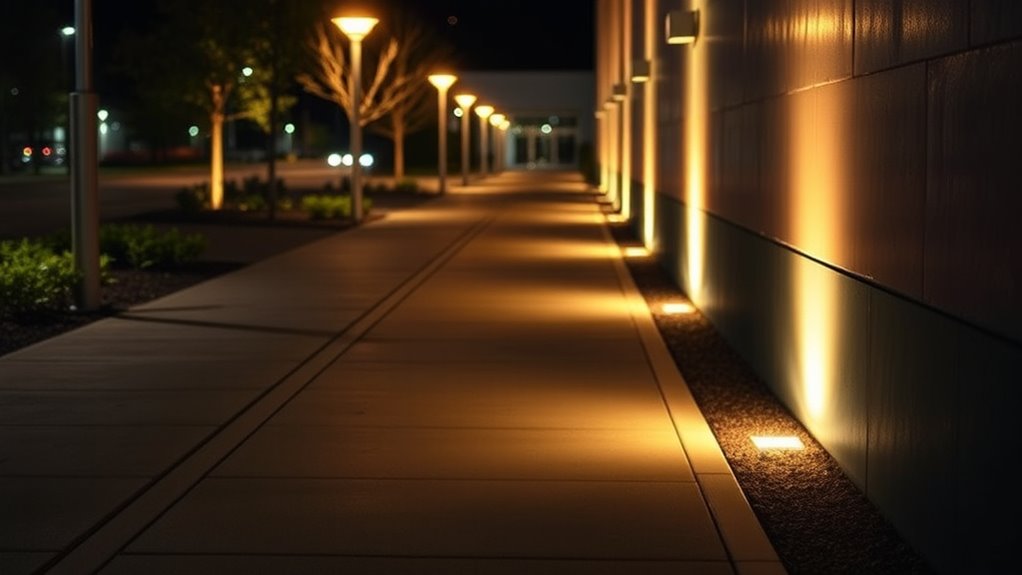
Proper lighting is fundamental for preventing trip hazards in both residential and commercial spaces. When your environment is well-lit, you reduce the chances of accidents caused by unseen obstacles or uneven surfaces. One effective way to enhance safety is by incorporating motion detection lighting. These lights automatically turn on when movement is detected, ensuring that pathways are illuminated only when needed. This not only conserves energy but also provides immediate illumination as you move through dark areas, such as hallways, staircases, or outdoor walkways. Motion detection lighting minimizes the risk of tripping because it eliminates the delay that often occurs with traditional switches, giving you instant visibility where you need it most. Additionally, installing motion sensors in strategic locations can help maintain consistent safety standards, especially in spaces that are infrequently used or where lighting might otherwise be neglected.
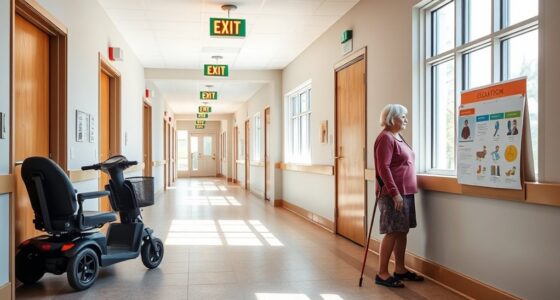
Emergency lighting plays a pivotal role in maintaining safety during power outages or emergencies. Properly installed emergency lighting ensures that critical areas remain illuminated, guiding you safely out of the building or towards exits. It’s important to regularly check that emergency lights are functional and properly maintained, as their failure can lead to disorientation and increased trip hazards during an evacuation. Emergency lighting should be placed along escape routes, stairwells, and exit signs to provide clear guidance even in total darkness. Not only does this reduce the risk of trips and falls, but it also helps prevent panic by making sure everyone can find their way out quickly. When combined with other lighting strategies, emergency lighting acts as a fundamental safety backup, reinforcing the importance of well-planned illumination in all areas of your property.
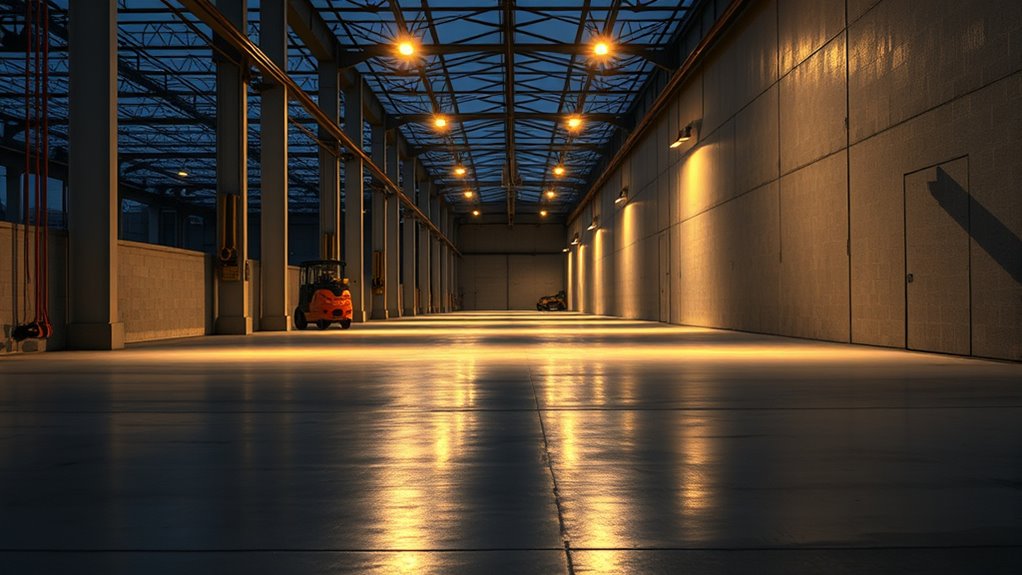
To maximize safety, you should also consider light placement and intensity. Properly positioned lights reduce shadows and dark corners, which are common trip hazards. Bright but not glaring lights work best for general illumination, while focused task lighting can be used in areas like kitchens or workspaces. Using motion detection and emergency lighting together creates a layered approach that adapts to different situations, ensuring that pathways are always visible. Regularly inspecting your lighting system, replacing bulbs promptly, and maintaining sensors are all part of a proactive safety plan. By combining these strategies, you create an environment that’s far less likely to cause trips and falls, giving you peace of mind and a safer space for everyone.
Frequently Asked Questions
How Does Lighting Affect Visibility During Different Weather Conditions?
Lighting critically impacts your visibility during various weather conditions. In fog, rain, or snow, proper lighting enhances visibility, helping you see potential trip hazards clearly. Bright, well-placed lights cut through poor weather, reducing accidents. When weather worsens, using weather-resistant fixtures and adjusting brightness levels guarantees you maintain ideal visibility. This way, you stay alert, avoid hazards, and navigate safely regardless of weather conditions.
What Are Cost-Effective Lighting Options for Large Outdoor Areas?
Imagine lighting up your large outdoor area like a starry sky—solar lighting and motion sensors make this possible without breaking the bank. Solar lights are cost-effective since they harness sunlight, reducing energy bills. Motion sensors add efficiency by illuminating only when needed. This combo provides ample visibility, deterring trips and falls, and is easy to install. It’s a smart, budget-friendly way to brighten your space safely and sustainably.
How Often Should Lighting Fixtures Be Inspected and Maintained?
You should inspect and maintain your lighting fixtures regularly, ideally following a monthly maintenance schedule. Adhere to consistent inspection protocols to identify burnt-out bulbs, corrosion, or damage early. This proactive approach helps prevent trip hazards caused by poor lighting. By staying diligent, you guarantee your outdoor areas remain well-lit, safe, and compliant with safety standards, reducing the risk of accidents and maintaining a secure environment for everyone.
Are There Specific Lighting Standards for Workplaces to Prevent Trips?
Imagine your workspace bathed in clear, bright light, guiding every step safely. Yes, there are specific lighting standards for workplaces to prevent trips, including lighting regulations that specify safety illuminance levels. These standards make certain areas are well-lit, reducing shadows and hazards. By adhering to these guidelines, you create a safer environment where trip risks are minimized, and everyone can move confidently without fear of hidden obstacles.
How Can Lighting Be Optimized for People With Visual Impairments?
To optimize lighting for people with visual impairments, you should use adaptive illumination that adjusts brightness based on ambient conditions, ensuring consistent visibility. Incorporate tactile lighting features, such as textured switches or illuminated pathways, to help individuals navigate safely. Maintain well-distributed, glare-free lighting to reduce shadows and enhance contrast. Regularly evaluate lighting levels and make adjustments as needed, creating an accessible environment that promotes safety and independence.
Conclusion
By properly lighting your space, you can see obstacles clearly, avoid unseen hazards, and prevent accidental trips. Good lighting illuminates pathways, highlights potential dangers, and guides your steps safely. When you invest in proper lighting, you create a safer environment, reduce trip hazards, and protect everyone who walks through. Remember, clear visibility is your best defense—so light your way, light your space, and light your safety.