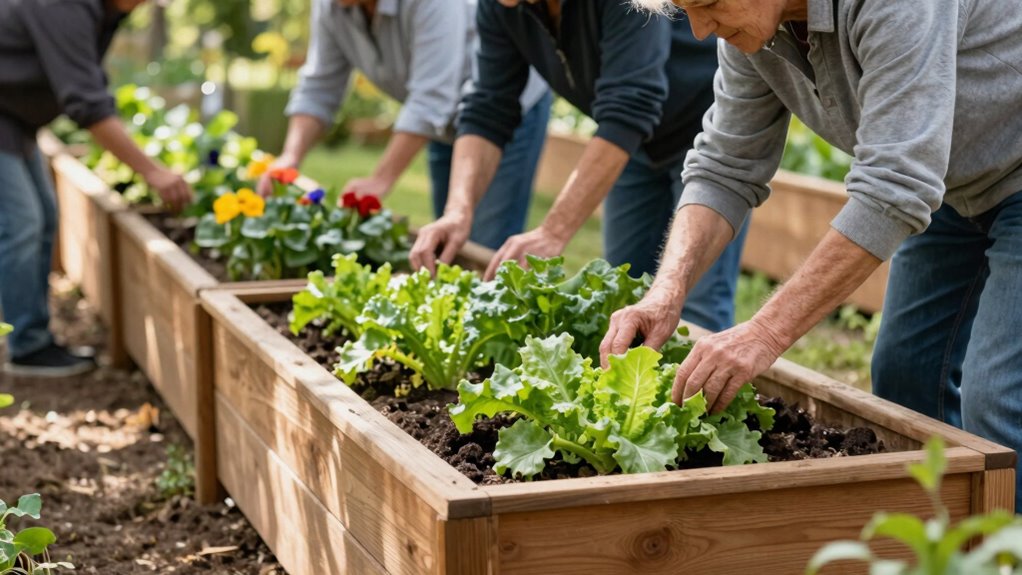

Choosing the right height for your raised garden beds is key to making gardening safer and more comfortable as you age. Ideally, aim for beds between 24 to 36 inches high to reduce strain on your back and knees and improve accessibility. Adjust the height to your personal comfort and mobility needs. If you want to discover more about ideal options and setup tips, keep exploring how to create a garden that supports your physical well-being.

Get decor and gifts delivered free — and shop member deals
- Fast, free delivery on millions of items
- Access to Prime Big Deal Days deals on October 6–7
- Prime Video, Amazon Music and more included
Key Takeaways
- Optimal bed height for older adults is typically 24 to 36 inches to reduce back and knee strain.
- Adjust bed height based on personal comfort and mobility needs for safer gardening.
- Raised beds at the right height improve accessibility and minimize the risk of falls or injury.
- Using durable, weather-resistant materials ensures longevity and safety of the garden beds.
- Combining proper height with ergonomic tools enhances safety and enjoyment for older gardeners.
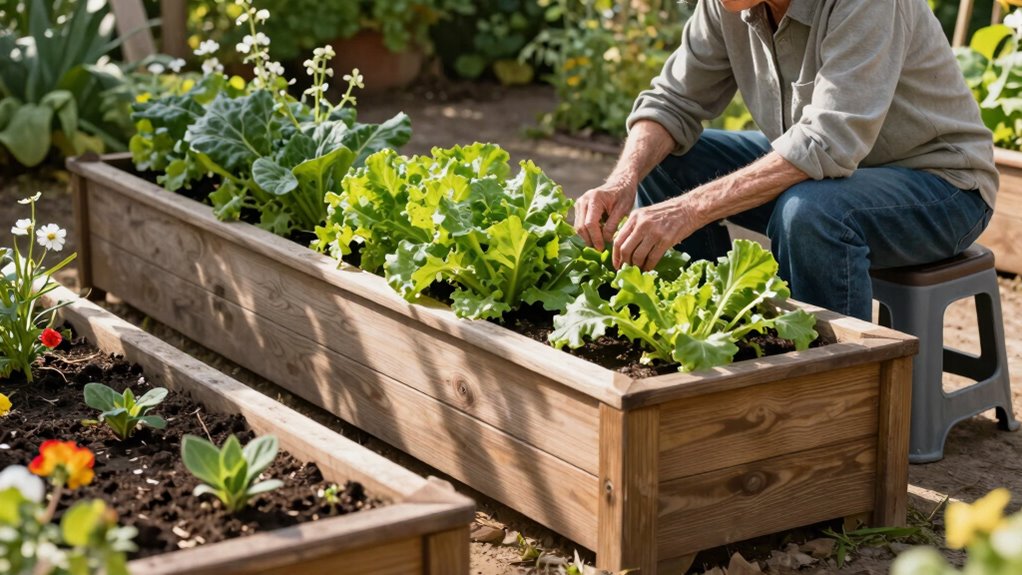
Gardening can be a rewarding activity at any age, but for older adults, traditional garden beds often pose physical challenges. Bending down to reach plants, kneeling on the ground, and digging into heavy soil can become exhausting or even unsafe. That’s where raised garden beds come in, offering a practical solution that makes gardening more accessible and enjoyable. The key is choosing the right height; when your garden bed is at the right level, you reduce strain on your back and knees, allowing you to focus on planting and nurturing without discomfort. You’ll find that a height of 24 to 36 inches works well for many, but it depends on your personal comfort and mobility.
Raised garden beds at 24 to 36 inches reduce strain, making gardening safer and more enjoyable for older adults.
When selecting garden bed materials, durability and safety should top your list. You want something sturdy that can withstand weather and last for years without warping or rotting. Options like cedar, composite wood, or low-maintenance metal are excellent choices. These materials not only ensure longevity but also contribute to a clean, attractive look. Avoid treated wood that might contain chemicals harmful to plants or your health. With the right materials, your raised bed becomes a reliable and safe space for gardening, eliminating the need to bend or kneel excessively. Additionally, considering garden bed height can significantly improve comfort and reduce physical strain during gardening activities. Choosing the proper soil type and ensuring proper drainage further enhances the gardening experience by promoting healthy plant growth and reducing maintenance. Incorporating mulching techniques can also help retain soil moisture and regulate temperature, making gardening easier and more productive. Properly filling your raised beds with the right soil mixture can also improve plant health and growth.
Using ergonomic tools further enhances your gardening experience. These tools are designed to minimize strain on your joints and reduce fatigue. Look for lightweight trowels, cultivators, and watering cans with ergonomic handles that fit comfortably in your hand. Long-handled tools are especially helpful, allowing you to work while standing or in a semi-upright position. This setup *considerably* decreases the risk of back pain and joint stress. Additionally, selecting tools with non-slip grips can improve safety and control during gardening tasks. With the proper tools, tasks like planting, weeding, and watering become more manageable, allowing you to spend more time enjoying your garden rather than recovering from discomfort.
Ultimately, the combination of well-chosen garden bed height, suitable materials, and ergonomic tools transforms gardening from a strenuous chore into an enjoyable activity. It’s about creating a space that respects your physical needs while still providing the satisfaction of nurturing plants. Adjusting the height of your garden beds to your comfort level makes gardening safer and more accessible, encouraging you to spend more time outdoors. When you invest in quality, ergonomic tools, you support your joints and muscles, making each gardening session less taxing and more fulfilling. With these thoughtful choices, you can cultivate a beautiful garden that brings joy without the physical strain.
As an affiliate, we earn on qualifying purchases.
Frequently Asked Questions
What Are the Best Materials for Raised Garden Beds for Seniors?
You should choose durable, non-toxic materials like cedar, composite, or recycled plastic for raised garden beds. These materials are sturdy and gentle on your soil composition, ensuring healthy plant growth. Opt for plants with easy-to-manage growth habits and minimal maintenance to make gardening enjoyable. Using lightweight, stable materials helps you access your garden comfortably, making planting and tending a pleasure rather than a chore.
How Do I Ensure Stability in Elevated Garden Beds?
To guarantee stability in elevated garden beds, start by carefully considering soil drainage—proper drainage prevents shifting and tilting. Next, focus on bed anchoring; secure the structure firmly to the ground or a sturdy frame using anchors or brackets. This combination keeps your bed steady, even on uneven surfaces or under changing weather conditions. With these steps, you’ll create a secure, lasting space for your gardening adventures—trust the process.
Are There Ergonomic Tools to Assist Gardening at Different Heights?
Yes, ergonomic tools with adjustable handles make gardening easier at various heights. These tools reduce strain by allowing you to customize grip and reach, preventing discomfort. Look for pruners, trowels, and hoes with ergonomic handles that can be extended or shortened. Adjustable tools help you maintain proper posture and reduce fatigue, making gardening safer and more comfortable for older adults. Investing in these tools enhances your gardening experience and minimizes injury risk.
How Can I Prevent Pests in Raised Garden Beds?
You can prevent pests in raised garden beds by planting pest-resistant plants and using natural pest deterrents like neem oil or companion planting. Research shows many plants naturally repel pests, making them effective allies. Regularly inspect your beds for signs of pests, remove affected leaves, and keep the area tidy to reduce hiding spots. These strategies create a less inviting environment for pests, helping your garden thrive naturally.
What Is the Ideal Height for a Raised Bed for Older Adults?
You should aim for a raised bed height of about 24 to 30 inches to accommodate older adults comfortably. This height improves soil drainage and reduces the need to bend down, making gardening easier. Incorporate pest deterrents like mesh covers or companion planting, and guarantee the bed’s height helps keep pests away. This setup offers accessibility and minimizes pest issues, making gardening more enjoyable and manageable.
Conclusion
Just as a sturdy ladder lifts you toward new heights, the right garden bed elevates your gardening experience, making it accessible and joyful. When you choose the perfect height, you’re not just planting seeds—you’re nurturing independence and a renewed connection to nature’s bounty. Think of your garden as a carefully crafted bridge, guiding you effortlessly across the span of aging, where every step is supported and every harvest a proof to your resilience.
Evergreen bestsellers Picks
bestsellers
As an affiliate, we earn on qualifying purchases.