
Many families delay essential safety checks until a fall or injury happens, increasing preventable risks at home. Conducting regular assessments helps identify hazards early, from loose rugs to poor lighting, and allows you to make necessary modifications like grab bars or stair handrails. Updating safety measures keeps your loved ones safe and fosters independence. If you want to learn how to prevent accidents before they occur, there’s more to discover that can make a difference.

Get decor and gifts delivered free with Prime
- Fast, free delivery on millions of items
- Prime Video, Amazon Music and more included
- Member-only deals all year
Key Takeaways
- Regular proactive safety assessments identify hazards early and prevent accidents before they happen.
- Installing grab bars, handrails, and improving lighting are simple modifications that enhance safety.
- Updating safety measures ensures adaptations to changing health or environmental needs.
- Maintaining emergency preparedness, including accessible communication devices and detectors, is crucial.
- Incorporating safety technology and eco-friendly design creates a safer, sustainable living environment.

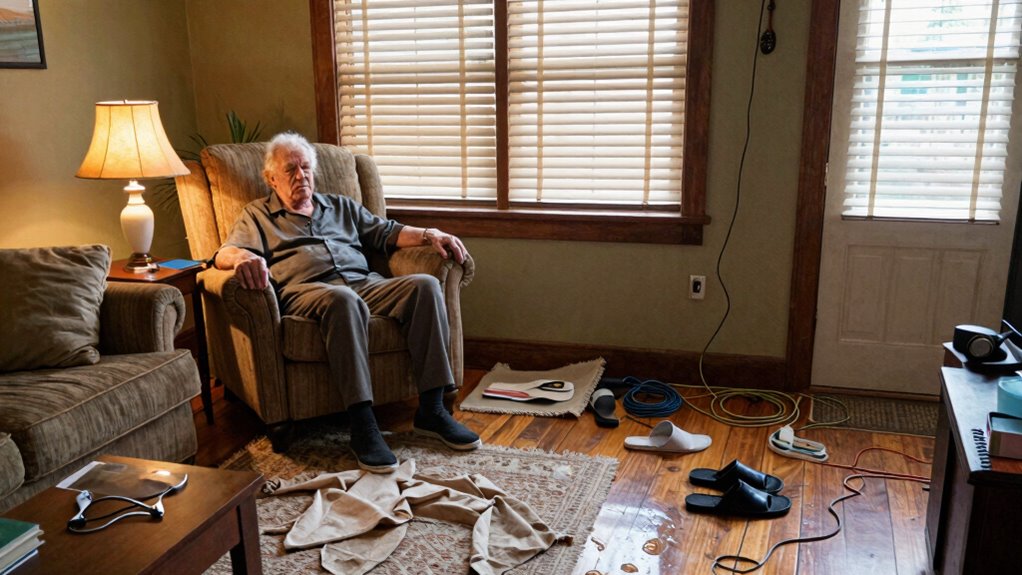
Are you confident that your home is safe for aging-in-place? Many families tend to put off safety checks until a problem arises, but proactive assessments can prevent accidents and give everyone peace of mind. One of the most critical aspects of aging-in-place safety is falls prevention. Falls are the leading cause of injury among older adults, and avoiding them requires more than just caution; it demands deliberate modifications to your living space. You should evaluate high-traffic areas for hazards like loose rugs, clutter, or uneven flooring. Installing grab bars in bathrooms and handrails on staircases can make a significant difference. Additionally, improve lighting throughout your home to eliminate dark spots that could cause trips or missteps. Small changes like these do more than just prevent falls—they foster independence by making daily activities safer and easier to perform. Conducting a home safety assessment can help identify potential hazards before they become problems. Regularly reviewing and updating safety measures ensures your environment adapts to changing needs and reduces risk over time. Incorporating biodiversity-friendly modifications such as using eco-friendly lighting solutions can also contribute to a healthier home environment. Maintaining a comprehensive safety plan that considers environmental and physical factors can further enhance your safety efforts.
Beyond physical safety, emergency preparedness is equally essential. Many families overlook the importance of having a well-practiced emergency plan. Consider whether your home is equipped with accessible communication devices, such as a landline or mobile phone within easy reach, and ensure everyone knows how to use them. It’s also crucial to keep emergency contact information visible and up-to-date. You might want to invest in medical alert systems that can alert responders immediately if you fall or experience a medical crisis. Preparing for emergencies is about more than just reacting quickly; it’s about creating an environment where help can be summoned without delay. Regularly check smoke and carbon monoxide detectors, replace batteries, and make sure pathways are clear of obstructions that could hinder a quick escape or rescue. Being aware of home safety technology options can further enhance your preparedness efforts. Additionally, integrating safety-focused design principles into your home can help maintain safety standards as needs evolve. Remember, fostering a safe living space is also about promoting environmental sustainability by choosing energy-efficient safety devices and systems.
As an affiliate, we earn on qualifying purchases.
Frequently Asked Questions
How Often Should Safety Checks Be Performed at Home?
You should perform safety checks at home at least every six months. During these checks, review your home security measures, like door locks and alarm systems, and verify emergency preparedness supplies are stocked and accessible. Regular inspections help identify potential hazards early, reducing risks. Staying proactive keeps your environment safe, especially as needs evolve with age. Make these checks a routine to maintain a secure and prepared living space for yourself or loved ones.
Are There Affordable Tools for Aging-In-Place Safety Assessments?
Yes, there are affordable tools for aging-in-place safety assessments. You can find assistive technology like grab bars, non-slip mats, and motion sensors that enhance safety without breaking the bank. Additionally, basic emergency preparedness kits, including smoke detectors and medical alert systems, are budget-friendly options. These tools help you identify hazards early, making your home safer and promoting independence for loved ones aging in place.
How Can I Involve Senior Family Members in Safety Planning?
You involve senior family members in safety planning by fostering open family communication, encouraging their input, and respecting their choices. Empower their sense of independence, discuss safety concerns honestly, and collaboratively explore solutions. Listen actively, validate their feelings, and include them in decision-making. This approach supports senior independence while ensuring everyone feels heard and valued, making safety planning a shared responsibility and strengthening family bonds in the process.
What Signs Indicate It’s Time for Home Modifications?
You’ll notice signs like frequent falls, difficulty maneuvering stairs, or trouble reaching essential items, indicating it’s time for home modification. When safety awareness increases and daily activities become challenging, these are clear signals. Addressing issues early with home modifications, like installing grab bars or ramps, can prevent accidents. Pay attention to your loved ones’ changing needs, and act promptly to guarantee their environment remains safe and accessible.
Are Professional Safety Assessments Covered by Insurance?
Insurance coverage for safety assessments varies depending on your provider and policy. Some health or home insurance plans may cover professional safety assessments if they’re part of a broader home modification or health improvement program. It’s best to check with your insurer directly to understand what’s included. Keep in mind, many insurers might require documentation or specific reasons to approve coverage, so ask about any necessary steps beforehand.
Conclusion
Don’t delay your aging-in-place safety checks any longer. Regular assessments can prevent accidents and guarantee your loved ones stay safe and independent at home. Did you know that falls are the leading cause of injury among seniors, yet many accidents are preventable with simple modifications? By staying proactive, you’re not only protecting their well-being but also giving everyone peace of mind. Take action today—your future self and family will thank you.
Halloween Picks
halloween
As an affiliate, we earn on qualifying purchases.