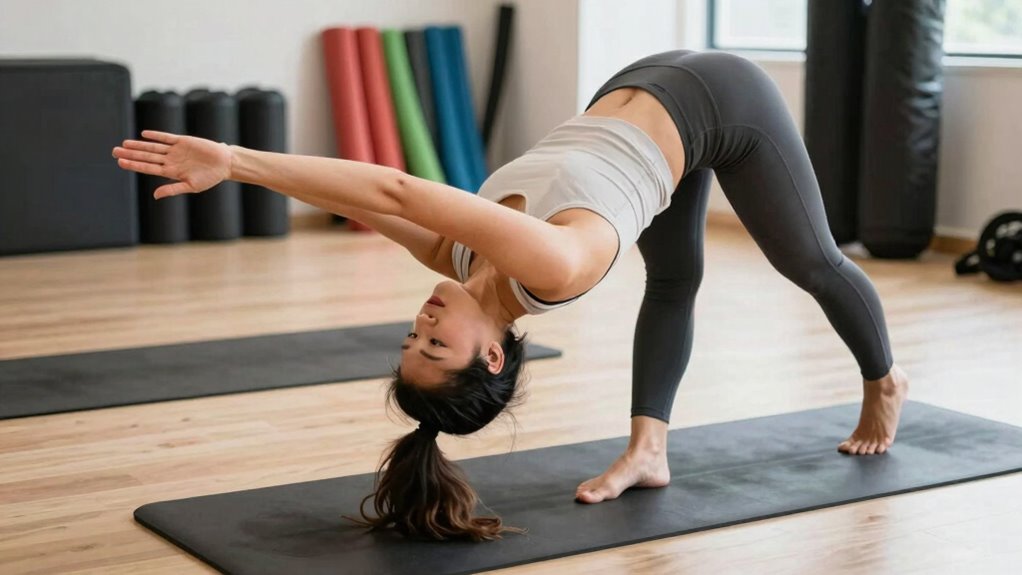

To practice turning, reaching, and bending safely, keep your spine aligned by hinging at your hips and engaging your leg muscles rather than your back. Keep objects close to your body and avoid twisting at the waist—pivot your feet instead. Move slowly and deliberately to maintain control, listen to your body signals, and use assistive tools if needed. Mastering these habits helps prevent injuries and improves movement safety; continue exploring for more tips.

Get decor and gifts delivered free with Prime
- Fast, free delivery on millions of items
- Prime Video, Amazon Music and more included
- Member-only deals all year
Key Takeaways
- Pivot your feet and turn your whole body instead of twisting at the waist to avoid strain.
- Keep objects close to your body to reduce reach and minimize muscle overextension.
- Use hips and knees to bend or reach, maintaining a straight back for proper alignment.
- Practice slow, deliberate movements to ensure muscle engagement and prevent jerky motions.
- Incorporate ergonomic tools and techniques to support safe movement habits daily.
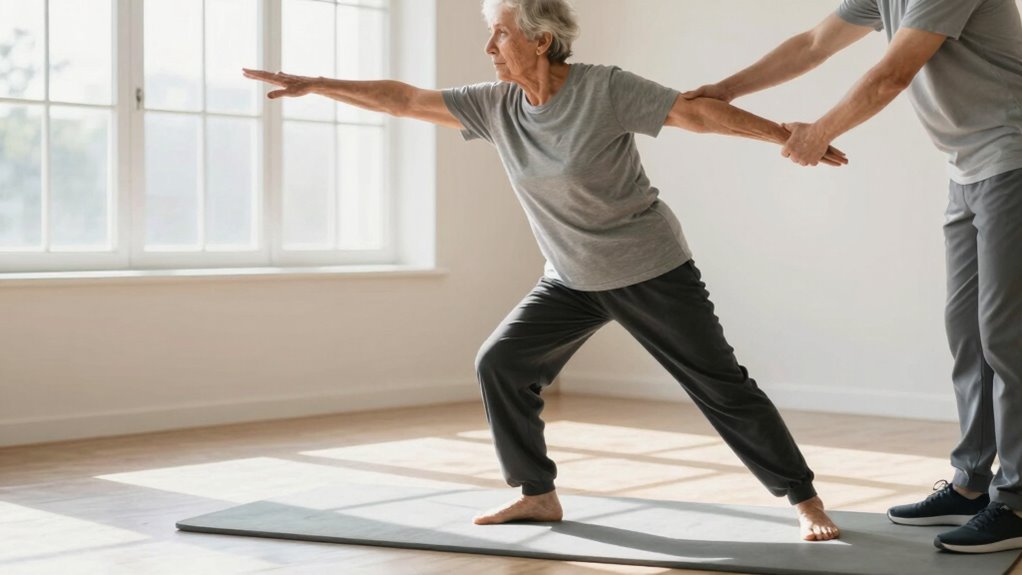
Practicing turning, reaching, and bending safely is essential to prevent injuries and maintain mobility, especially as you age or recover from an injury. Developing good habits starts with understanding and applying ergonomic techniques that promote safe movement. When you bend or reach, keep your spine aligned by hinging at the hips rather than rounding your back. This simple adjustment distributes weight more evenly and reduces strain on your lower back. Additionally, keep objects close to your body to minimize the reach distance, which lessens the risk of overextension and muscle strain.
Keep your spine aligned and objects close to prevent strain and protect your lower back during movement.
Injury prevention is closely linked to how you approach everyday movements. Before reaching for something, pause to assess the best way to do so. Use your legs to squat or hinge your hips rather than bending from your waist. This technique helps you engage larger muscle groups, providing better support and minimizing stress on your spine. When turning, avoid twisting at the waist while carrying a load. Instead, pivot your feet and turn your whole body as a unit. This not only improves your balance but also prevents undue torque on your back and hips.
To reinforce safe practices, incorporate ergonomic techniques into your routine. For example, when lifting objects, bend at the hips and knees, keep your back straight, and lift with your legs rather than your back muscles. This approach decreases the likelihood of muscle pulls and disc injuries. Use assistive devices like grab bars or reaching tools if you find yourself stretching or bending in awkward positions frequently. These tools help you maintain proper posture and avoid overextending your muscles, which is key for injury prevention. Being aware of muscle engagement can help you perform movements more safely and effectively. Paying attention to your body’s signals and understanding body mechanics can further enhance your safety during daily tasks. Practicing mindful movements also improves your overall movement quality, making daily tasks more comfortable and reducing strain.
Building awareness of your body’s signals is vital. If you feel strain or discomfort while turning or reaching, stop and adjust your position. Listening to your body prevents small issues from turning into serious injuries. Practicing controlled, deliberate movements rather than quick or jerky motions makes a significant difference. Slow, steady movements allow your muscles to engage properly, reducing the risk of overstretching or tearing tissue. Recognizing biodiversity in your environment can also motivate you to adopt healthier movement habits, as it fosters a deeper appreciation for living organisms and their interconnectedness.
Finally, consistency is key. Regularly practicing these ergonomic techniques and mindful movements will make them second nature over time. By prioritizing injury prevention and adopting smart movement habits, you’ll preserve your mobility, reduce the chance of falls or strains, and enjoy everyday activities with greater confidence and safety.
As an affiliate, we earn on qualifying purchases.
Frequently Asked Questions
How Often Should I Practice Safe Turning, Reaching, and Bending Techniques?
You should practice safe turning, reaching, and bending techniques daily or whenever you perform these tasks. Incorporate ergonomic adjustments to make movements safer and easier, and stay mindful of your posture awareness. Regular practice helps build muscle memory, reducing injury risk. Pay attention to your body’s signals, and adjust your techniques as needed. Consistency is key—by practicing often, you’ll improve your safety and comfort in daily activities.
Are There Specific Exercises to Improve Flexibility for Safer Movements?
Imagine feeling confident instead of cautious with every move. To improve flexibility for safer movements, incorporate stretching routines that target key muscle groups, like hamstrings and hips. Balance exercises, such as standing on one leg or heel-to-toe walks, enhance stability, reducing injury risk. Regularly practicing these exercises can transform your mobility, empowering you to turn, reach, and bend with ease and confidence.
Can These Techniques Help Prevent Specific Injuries?
Yes, these techniques can help prevent specific injuries by promoting proper movement mechanics and reducing strain. Using ergonomic strategies guarantees you maintain correct posture during activities, which minimizes the risk of muscle strains, joint injuries, or repetitive stress issues. By practicing safe turning, reaching, and bending, you strengthen your body’s natural defenses, making injury prevention more effective and allowing you to perform daily tasks with less risk of harm.
What Equipment Can Assist in Practicing These Movements Safely?
Think of equipment like guiding stars on your safe movement journey. Assistive devices such as grab bars, reachers, and transfer aids support your movements, making turning, reaching, and bending easier and safer. Safety gear like knee pads and back braces provide extra protection, reducing injury risk. Using these tools helps you practice with confidence, ensuring you maintain proper form and avoid strain while performing daily tasks.
How Do I Modify Techniques for Different Body Types or Limitations?
You should focus on personalized adaptations that suit your body type and mobility considerations. Adjust your technique by reducing movement range if you have limited flexibility, or use supportive equipment to ease strain. Pay attention to your body’s signals, and modify the pace or angle of turns, reaches, and bends accordingly. Consulting a physical therapist can help you develop tailored strategies that increase safety and comfort during these movements.
Conclusion
Thinking you can’t improve your safety while turning, reaching, or bending? Think again. By practicing smart techniques and listening to your body, you can reduce the risk of injury and move more confidently. It might seem challenging at first, but small adjustments make a big difference. Don’t let fear hold you back—start today, and you’ll find that safer, easier movements become second nature. Your body will thank you for it.
Fall Picks
fall essentials
As an affiliate, we earn on qualifying purchases.