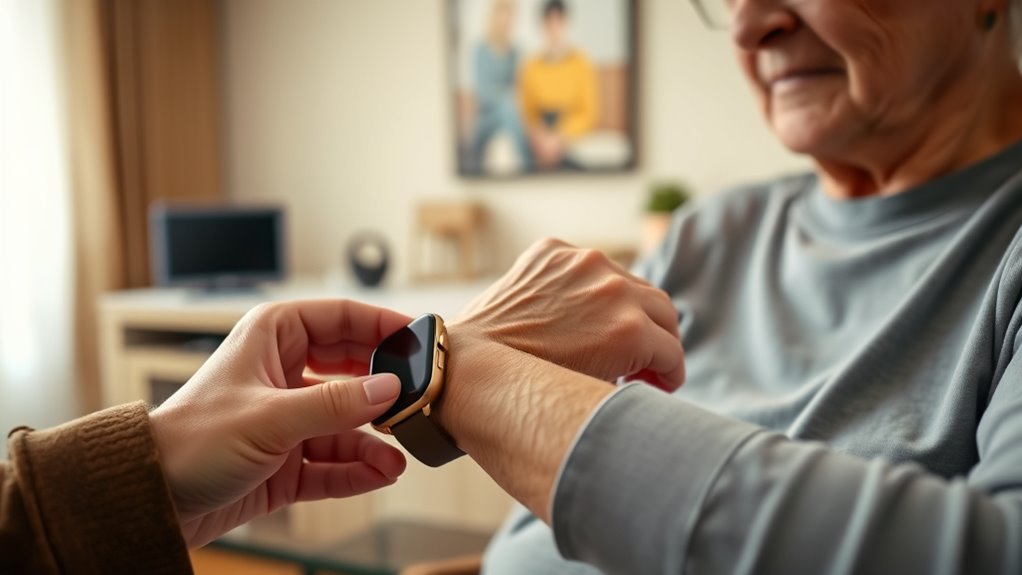

When using caregiving tech, it’s important to understand how your loved one’s data is collected, stored, and shared. Make sure security measures like encryption and secure login are in place to protect sensitive information. Always review privacy policies and involve your loved ones in decisions about their privacy. Respect their autonomy while balancing safety. Staying informed about these aspects helps ensure their dignity and trust, so keep exploring to learn more about safeguarding their privacy effectively.
Key Takeaways
- Ensure clear understanding and consent from loved ones about what data is collected and how it will be used.
- Regularly review and update privacy settings and permissions to align with preferences.
- Choose devices with transparent privacy policies and robust data security measures.
- Protect data through encryption, secure login procedures, and ongoing security updates.
- Involve loved ones in decision-making, respecting their autonomy and maintaining ongoing vigilance.
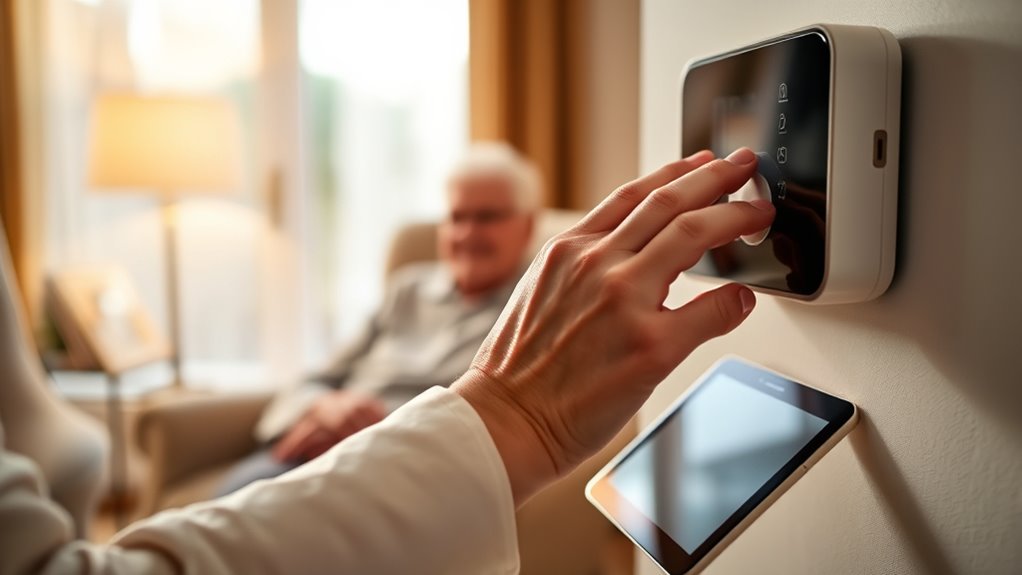
As you incorporate caregiving technology into your loved one’s daily routine, it’s essential to contemplate privacy concerns alongside convenience. These devices and systems often collect sensitive information, making data security a top priority. You need to ensure that any data gathered—whether it’s health metrics, location details, or daily activity logs—is protected against unauthorized access. Robust encryption, secure login procedures, and regular security updates are vital steps to safeguard this information. Without these protections, your loved one’s private details could be vulnerable to breaches or misuse, compromising their safety and trust.
Protect your loved one’s privacy with robust security measures and regular updates.
Another critical aspect is consent management. It’s important that your loved one understands what data is being collected, how it’s used, and who has access to it. As a caregiver, you should facilitate open conversations about privacy, ensuring that your loved one’s preferences are respected. Implementing clear consent protocols means they’re aware of and agree to the use of specific devices or apps. This not only promotes transparency but also helps prevent potential conflicts or misunderstandings down the line. For instance, if a health monitoring device tracks their location or medical data, they should have the option to opt-in or withdraw consent at any time.
Managing consent becomes especially crucial as caregiving technology evolves and new features are added. You should regularly review privacy settings and update permissions as necessary. Keep in mind that privacy preferences can change, and staying proactive helps maintain your loved one’s comfort and autonomy. Familiarize yourself with the privacy policies of the devices and platforms you’re using—understanding how data is stored, shared, and retained gives you better control over their personal information. This knowledge empowers you to make informed decisions about which technologies align best with your loved one’s comfort level and security needs.
It’s also wise to involve your loved one in the decision-making process whenever possible. Respecting their autonomy fosters trust and ensures they feel secure in the technology you’re implementing. If they’re uncomfortable with certain features or data collection practices, seek alternatives or adjust settings accordingly. Remember, technology should serve to enhance their well-being, not infringe upon their privacy.
Ultimately, balancing the benefits of caregiving tech with privacy considerations requires ongoing vigilance. Prioritize data security by choosing reputable devices with strong protections, and practice transparent consent management. This approach not only keeps your loved one’s personal information safe but also reinforces respect for their dignity and independence. Keeping informed about Gold IRA Rollovers can provide additional insights into secure and reliable investment options that safeguard your financial future.
Frequently Asked Questions
How Can I Ensure My Data Isn’t Shared Without Consent?
To guarantee your data isn’t shared without consent, always check that the caregiving tech uses data encryption to protect your information. Before using any device, read the privacy policy carefully. Make sure the platform requires your explicit user consent for data sharing. Regularly update your software, and only use trusted providers. By staying informed and vigilant, you control your data and prevent unauthorized sharing.
What Are the Legal Rights Regarding My Caregiving Data?
Imagine your caregiving data as a precious book in your hands. Legally, you own this book, giving you rights over how it’s used and shared. Laws like HIPAA or GDPR guarantee your data’s protected and that providers follow strict rules. You have the right to access, correct, or delete your data, and providers must comply with legal standards to respect your ownership and privacy.
How Do I Choose Privacy-Focused Caregiving Technology?
To choose privacy-focused caregiving technology, look for devices that prioritize data encryption to protect your information. Verify you have user control over who accesses your data and how it’s shared. Read privacy policies carefully to understand data handling practices. Opt for brands known for transparency and security features. By selecting technology with strong encryption and clear user control options, you safeguard your privacy while effectively managing caregiving tasks.
Can I Limit Access to My Personal Information?
Sure, you can limit access to your personal info—think of it as a digital fortress. Use data encryption to scramble your data and prevent prying eyes. Set user permissions carefully, granting access only to trusted caregivers. Remember, the more you restrict, the safer your info stays. So, don’t just hope for privacy—actively control it, because in the tech world, you’re the gatekeeper.
What Steps Should I Take if My Privacy Is Compromised?
If your privacy is compromised, act quickly by changing your passwords and notifying your tech provider about the data breach. Document any suspicious activity and consider alerting emergency response services if needed. Stay vigilant, monitor your accounts, and review security settings. Taking these steps helps safeguard your personal information and ensures you’re prepared to respond effectively to any privacy threats.
Conclusion
As you explore caregiving technology, remember that privacy isn’t just a checkbox—it’s a crucial part of your loved one’s trust and safety. The more advanced these tools become, the more careful you need to be about what data is collected and how it’s used. Are you prepared to navigate these hidden risks? Staying vigilant now could mean the difference between peace of mind and unforeseen consequences. The choices you make today will shape their safety tomorrow.