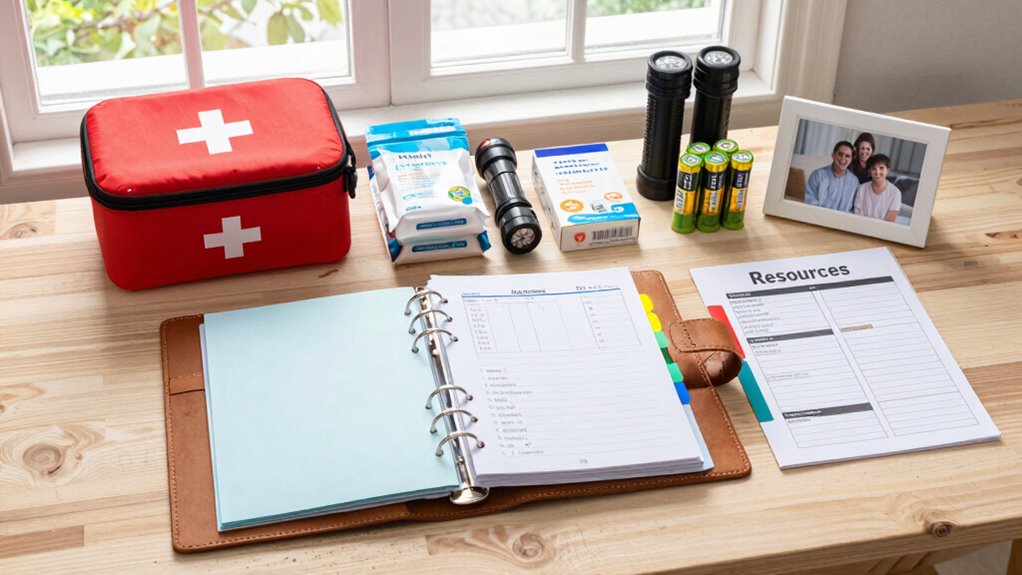
To prepare your family for emergencies, build a resource list that includes key contacts like family, friends, neighbors, and local service providers such as doctors and schools. Keep digital and physical copies accessible in a designated family emergency kit, and regularly update contact info and resource details. Make certain all essential supplies are organized and ready to go. Staying organized now means you’re better prepared when it matters most—continue on to discover more ways to strengthen your plan.

Get decor and gifts delivered free with Prime
- Fast, free delivery on millions of items
- Prime Video, Amazon Music and more included
- Member-only deals all year
Key Takeaways
- Compile and regularly update emergency contacts, including family, friends, and local support services.
- Create a comprehensive list of nearby hospitals, clinics, schools, and transportation options for quick access.
- Maintain digital and physical copies of essential documents like insurance, legal papers, and bank statements.
- Develop and rehearse a financial emergency plan, including savings, debt management, and resource accessibility.
- Schedule periodic reviews of your preparedness system to ensure all information remains current and reliable.
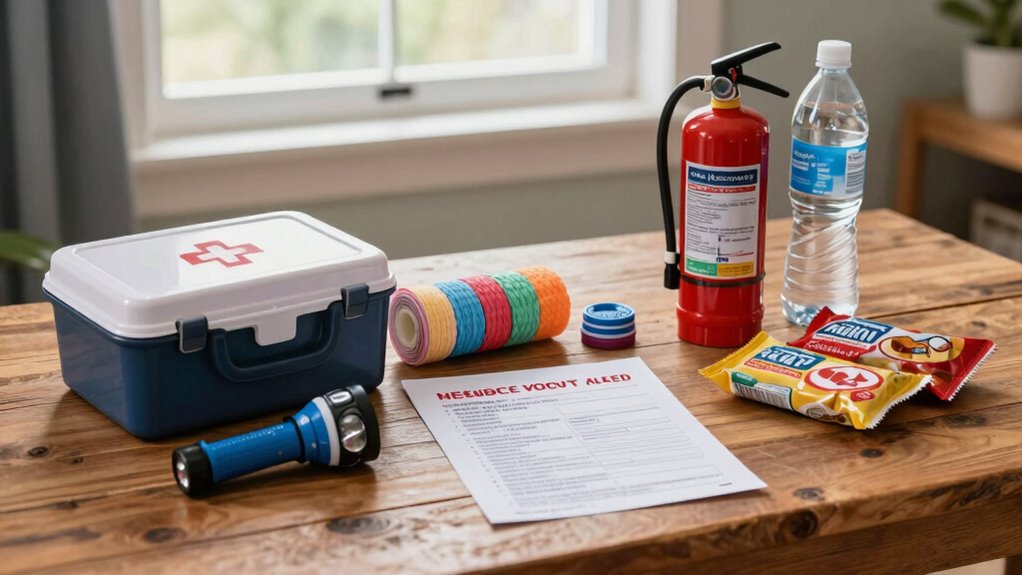
Are you looking for trusted resources to support your family’s needs? Building a thorough resource list before emergencies or unexpected situations arise can save you stress and confusion down the line. One of the most important steps is organizing your emergency contacts. Make sure you have a list of key individuals—family members, close friends, neighbors—who can assist or provide support when needed. Keep this list accessible in both digital and physical formats, such as on your phone and in a designated family emergency kit. Having clear, up-to-date emergency contacts ensures that you can quickly reach help or inform loved ones if an urgent situation occurs, whether it’s a medical emergency, a natural disaster, or a childcare issue.
Alongside emergency contacts, focus on solidifying your financial planning. Create a detailed plan that includes your savings, debts, insurance policies, and important financial documents. Having access to your financial resources in an emergency can make a significant difference. For example, keep digital copies of your insurance cards, bank statements, and legal documents in a secure, easily accessible location. Establishing an emergency fund and understanding the importance of financial preparedness can empower you to take meaningful steps toward long-term security. Regularly reviewing and practicing your emergency plan, including financial aspects, can further enhance your readiness.
In addition to emergency contacts and financial planning, think about creating a list of local resources. Identify nearby hospitals, clinics, pharmacies, schools, and community centers that can serve as support hubs. Knowing the locations and contact details of these places saves precious time when you need immediate assistance. It’s also wise to compile a list of trusted service providers, like doctors, dentists, and childcare providers, so you can quickly access care or advice when necessary. Pre-planning the logistics of emergency responses, such as transportation routes, can also improve your family’s overall safety and efficiency during crises.
Finally, regularly review and update your resource list. Life changes, and so do contact details and circumstances. Setting a reminder to check and revise your resources every few months ensures that your information remains current and reliable. Incorporating small wood stoves into your emergency preparedness can also provide a reliable heat source during power outages or severe weather events, adding an extra layer of safety for your family. Having this organized, ready-to-go resource list means you’ll be better equipped to handle emergencies calmly and efficiently, providing peace of mind knowing your family’s needs are covered before they even arise.
Products Worth Considering

Google Nest Cam Indoor (Wired, 3rd Gen) – Security Camera – Snow

LEVOIT Vital 200S-P Smart Air Purifier for Large Rooms

Coway Airmega 250 Air Purifier for Large Rooms
As an affiliate, we earn on qualifying purchases.
Frequently Asked Questions
How Often Should I Update My Family Resource List?
You should update your family resource list at least twice a year, especially focusing on emergency contacts and financial planning details. Life changes like new phone numbers, addresses, or financial accounts need prompt updates. Regular reviews ensure everyone stays informed and prepared for emergencies. Set reminders to check your list periodically, so your family remains protected and well-organized in any situation.
What Are the Best Apps for Managing Family Resources?
You’ll want apps that keep your emergency contacts and medical history close at hand. Try Cozi for shared calendars and to-do lists, which also allows storing important info securely. FamilyWall offers a private space for emergency contacts and medical details, making it easy to access during urgent moments. These apps help you stay organized, ensuring essential information is always within reach when you need it most, quietly supporting your family’s safety.
How Can I Involve Children in Building the Resource List?
You can involve children in building the resource list by encouraging family involvement through age-appropriate tasks. For younger kids, have them help identify trusted contacts or suggest useful resources, while older children can research local services or help organize the list. Make it interactive and fun, allowing them to feel responsible and engaged. This approach teaches valuable skills and fosters a sense of teamwork in preparing your family for emergencies.
What Legal Documents Should Be Included in the Resource List?
Think of your legal documents as keys to your family’s safety vault. Include legal papers like wills, power of attorney, and healthcare directives, ensuring they’re up to date. Also, list emergency contacts prominently—neighbors, doctors, and family members—so help is always within reach. Keep these documents organized in a secure, accessible place, ready to gain peace of mind whenever you need them most.
How Do I Prioritize Resources for Different Emergencies?
Start by identifying your most likely emergencies, then prioritize gathering emergency supplies like water, food, and first aid kits first. Next, develop clear communication plans so everyone knows how to stay connected during a crisis. Make certain your resource list includes these essentials, and review it regularly. By focusing on emergency supplies and communication plans, you create a solid foundation to respond quickly and effectively in any situation.
Conclusion
Think of your resource list as a sturdy boat, ready to sail through life’s storms. When challenges arise, you’ll navigate smoothly with your supplies as the guiding stars, leading you safely to calmer waters. Building this list now is like gathering your crew and provisions before a voyage—so when the storm hits, you’re prepared, confident, and anchored in peace. Start assembling your essentials today, and let your family sail through any future with resilience and hope.