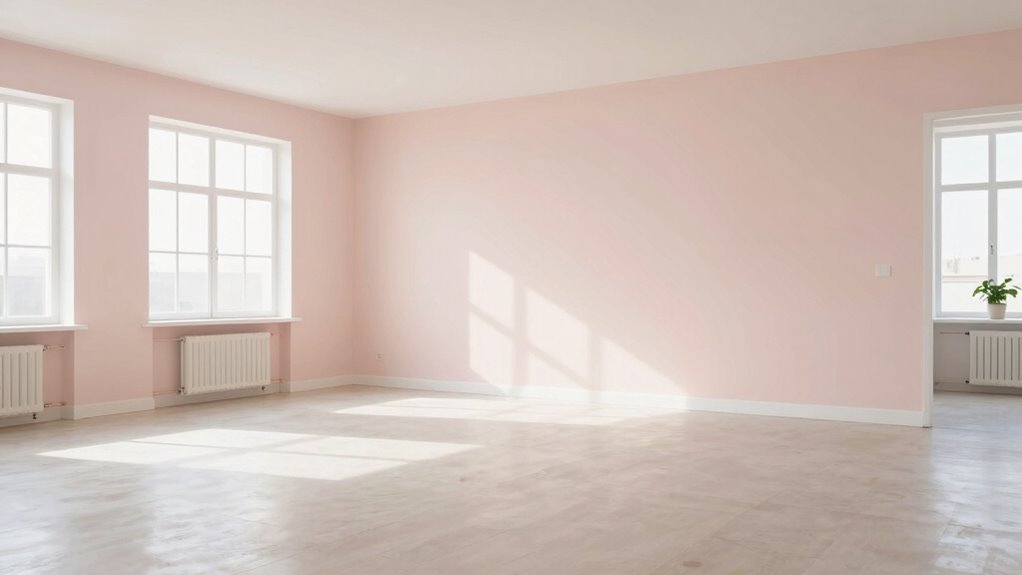

To make small rooms feel more open, choose light, neutral colors like soft whites, beiges, or pastels for walls and ceilings, which reflect more light and create an airy feel. Use a slightly lighter or similar hue on the ceiling to enhance height, and avoid dark, glossy finishes. Incorporate subtle stripes or clean edges to add interest without clutter, and pair your paint choices with good lighting. If you want to discover all the expert techniques, continue exploring how paint can transform your space.

Get decor and gifts delivered free — and shop member deals
- Fast, free delivery on millions of items
- Access to Prime Big Deal Days deals on October 6–7
- Prime Video, Amazon Music and more included
Key Takeaways
- Use light, neutral wall and ceiling colors to reflect more light and create an airy, spacious feel.
- Paint ceilings a lighter or similar shade as the walls to enhance perceived height and openness.
- Maintain visual flow by matching wall and ceiling colors, avoiding harsh boundaries that shrink the space.
- Incorporate subtle stripes or patterns with soft tones to add interest without cluttering the room.
- Maximize light interaction with matte or eggshell finishes and proper lighting to amplify the sense of space.

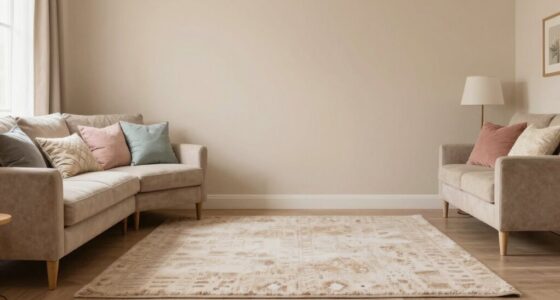
Ever wonder how a simple coat of paint can transform a cramped space into an airy retreat? The right choices in color and painting techniques can make your small room feel much more spacious. One key idea is understanding color psychology—certain hues can influence how you perceive a room’s size. Light, neutral tones like soft whites, warm beiges, or cool pastels tend to reflect more light, creating an open, inviting atmosphere. These colors don’t just make the room look bigger; they also evoke a sense of calm and spaciousness. If you want to add a touch of personality, consider accent walls with slightly bolder shades, but keep the overall palette light to maintain that airy feel.
Light, neutral tones and subtle accent walls create an open, calming space that feels larger and more inviting.
When it comes to ceiling techniques, many overlook their impact on the perception of space. Painting the ceiling a lighter color than the walls can trick the eye into perceiving a higher ceiling, giving your room a more expansive look. Conversely, if you want to draw attention upward, a subtle, slightly darker hue on the ceiling can add depth without shrinking the space. Using a matte or eggshell finish on the ceiling reduces glare and creates a seamless transition, making the ceiling appear higher and the room more open. Avoid dark, glossy paints on ceilings—they tend to make the ceiling seem lower and the room more confined. Incorporating perception of space techniques, like using light colors, further enhances this effect. Additionally, paying attention to color contrast can help in creating a balanced and open ambiance. A well-balanced color palette can also prevent the room from feeling cluttered or overwhelming.
Another effective technique involves the use of continuous color. Painting the walls and ceiling the same shade, or very similar tones, creates a visual flow that eliminates harsh boundaries, making the space seem larger. This approach works especially well with light colors that bounce light around the room. Additionally, using vertical or horizontal stripes with subtle shades can add interest without overwhelming the space. When applying paint, keep the edges clean and straight to avoid visual clutter. Incorporating visual continuity techniques can further help in creating a cohesive and spacious feel. Furthermore, choosing the right paint finish can influence how light interacts with the walls, amplifying the illusion of space. Proper lighting, both natural and artificial, enhances these effects and further contributes to an open environment.
Lighting also plays a vital role—combine your paint choices with ample natural light and well-placed artificial lighting to amplify the sense of openness. Reflective surfaces, like a glossy or semi-gloss finish on walls or trims, can help bounce light and create an illusion of more space. Ultimately, the goal is to keep things simple, bright, and cohesive. With thoughtful color psychology and ceiling techniques, you can turn your small room into a more open, airy sanctuary that feels much larger than its footprint suggests.
light neutral interior wall paint
As an affiliate, we earn on qualifying purchases.
As an affiliate, we earn on qualifying purchases.
Frequently Asked Questions
Can I Use Dark Colors to Make a Small Room Look Bigger?
Dark colors can make a small room feel smaller, as they tend to absorb light and create a cozy, enclosed atmosphere. However, if you want to use dark colors without shrinking your space, pair them with plenty of lighting and lighter accents. You can also paint one accent wall in a dark shade to add depth, while keeping the other walls light. This approach balances the room size and adds visual interest.
How Does Lighting Affect the Perception of Space With Painted Walls?
Lighting greatly influences how your painted walls appear and the sense of space in your room. Natural light enhances wall reflections, making the room feel brighter and more expansive. Opt for lighter paint shades to maximize this effect, and position furniture and mirrors to bounce light around. Avoid heavy, dark colors in dimly lit areas, as they can make the space feel smaller, while good lighting highlights your walls and creates an open, airy atmosphere.
Should I Paint the Ceiling a Different Color for More Openness?
Painting your ceiling a different color can create a visual illusion that makes your small room feel more open. A lighter ceiling color, like white or soft pastels, reflects more light and draws the eye upward, enhancing spaciousness. This contrast tricks your mind into perceiving higher ceilings and a larger space. So, experimenting with a slightly different ceiling color can be a simple yet effective way to boost openness.
Can Wall Patterns or Textures Impact the Room’s Perceived Size?
Wall murals and textured paint can considerably influence how spacious a room feels. A well-placed wall mural draws the eye and creates depth, making the space appear larger. Textured paint adds visual interest without overwhelming the room, providing a sense of dimension. When you choose these features thoughtfully, they enhance openness and make small rooms feel more expansive, adding personality without sacrificing spatial perception.
Are There Specific Paint Finishes That Enhance Room Spaciousness?
Using a matte finish and a reflective sheen can both enhance your room’s spaciousness. Matte finishes absorb light, creating a soft, expansive look that minimizes imperfections. Reflective sheen, on the other hand, bounces light around, making the space feel brighter and larger. By choosing these finishes strategically—matte on walls for depth, reflective on accents—you can visually expand your small room and boost its openness.
Conclusion
By choosing the right colors and techniques, you can transform a small room into a more open, inviting space. Think of paint as a magic wand that brightens and expands your environment, making it feel as vast as the sky. Remember to stick with light shades, add reflective finishes, and use strategic accents. With these tips, your tiny room will feel like a spacious retreat, as open as a gust of fresh air on a clear day.
Halloween Picks
halloween
As an affiliate, we earn on qualifying purchases.