
TL;DR

Get decor and gifts delivered free with Prime
- Fast, free delivery on millions of items
- Prime Video, Amazon Music and more included
- Member-only deals all year
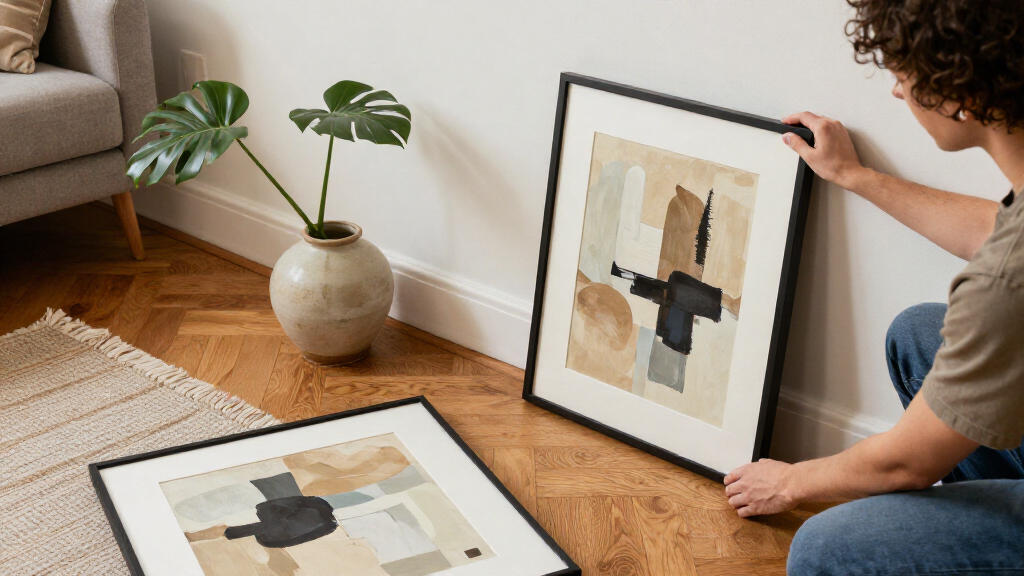
Veranda published advice from interior designers on buying art for the home, from researching artists and sellers to setting a budget and assessing a room. The designers emphasize personal taste, while recommending consultants and specialists when buyers need help verifying provenance or evaluating an investment.
Veranda has published a guide to shopping for art featuring advice from interior designers on how to research works, set a budget and assess a space before buying. The recommendations offer a practical framework for homebuyers, including those considering original art, prints or higher-cost pieces that may require help verifying their history.
The designers advise buyers to research artists, galleries and market prices before making a decision. New York designer and shop owner Katie Leede suggests browsing sites such as Artnet to see available work and get a sense of market value. She also recommends speaking with gallery staff, art consultants and artists, and researching upcoming auctions. Leede says a buyer can sometimes approach an auction house after a work fails to meet its minimum bid to make an offer.
New York- and London-based designer Christina Nielsen recommends building relationships with local dealers and vendors, while keeping emerging artists in view for buyers working with a limited budget. She says finding trusted sources takes time and describes art as a personal investment in a home. Her advice is to buy work that appeals to the buyer, even if it does not seem to fit the room at first.
Before shopping, New Orleans designer Hattie Sparks Collins advises measuring and assessing the area to be filled, deciding on a spending limit, and choosing a format and subject. Options might include an original, a reproduction print, one large work, a diptych, a photograph or a painting. Collins says art need not match a room’s colors, but can complement them. New York designer Joy Moyler similarly advises choosing work the owner wants to see every day and keeping wall finishes simple enough to let it stand out.
A More Deliberate Art Purchase
The advice matters because buying art can involve more than finding a work that fits a wall. Price, authenticity, provenance and personal preference all shape the decision, particularly for buyers considering original or higher-value pieces. Researching sellers and setting a budget before shopping can help buyers compare options without assuming that a costly work is automatically the right choice.
The designers’ recommendations also make room for different budgets and levels of experience. A buyer can consider prints or works on paper, explore emerging artists, or seek professional guidance for a more substantial purchase. The central point is that art for a home need not be treated as a formal collection: the buyer’s own interest can guide the choice, while the room’s scale and surroundings help determine presentation.
Products Worth Considering

Philips Hue Essential Starter Kit with Bridge and 4 E26 Smart Bulbs

Philips Hue Secure Starter Kit with Contact Sensors, Motion Sensor, Bridge, and Color Smart Bulbs

Ring Floodlight Cam 4K Pro (2nd Gen), Wired Outdoor Security Camera, Black
As an affiliate, we earn on qualifying purchases.
Advice From Eight Designers
The Veranda report says it sought recommendations from eight interior designers about finding art and sources for buying it. The material supplied here includes detailed guidance from several designers, among them Leede, Nielsen, Collins and Moyler, as well as New York designer Stewart Manger.
Manger recommends consulting an art adviser when a purchase is intended as an investment. He says consultants can check provenance with artist foundations, while auction-house specialists can offer knowledge across periods, styles and mediums. For less expensive decorative works, including prints and works on paper, he cites virtual auctions, Artnet and eBay as possible sources. These are the designers’ suggestions, not endorsements or guarantees about any seller or listing.
“Remember that if a piece at an auction doesn’t meet its minimum bid, you can still make an offer on it through the auction house the following day—and sometimes get a great bargain!”
— Katie Leede, New York-based designer and shop owner
What Buyers Must Verify
The report offers general advice, not an appraisal or authentication of any specific artwork, dealer or online listing. It does not provide prices, market data or guarantees that a particular artist’s work will rise in value. Leede’s auction suggestion is presented as a possibility; the source does not establish how often post-auction offers succeed.
Buyers considering an expensive work would still need to verify its condition, authenticity, provenance, price and the seller’s terms for themselves. The material also does not set out a single budget or formula for deciding whether to buy an original, print or reproduction; those choices depend on the buyer’s finances, priorities and the work available.
Steps Before You Buy
The guide points readers toward a sequence rather than a single required source: assess the wall and layout, set a budget, decide what kind of work appeals, then compare pieces and sellers. Buyers can use galleries, dealers, auction houses, online platforms or direct artist contact, depending on the work and their comfort level.
For a significant purchase, Manger’s recommendation is to consult an art professional and ask about provenance before committing. For any purchase, the next step is to check the specific work, seller and terms; the report does not identify a formal follow-up or a future publication date.
Key Questions
What should I do before shopping for art?
Assess the space and set a budget, then consider the subject, format and medium you want. Collins recommends making those decisions before beginning the search.
Does art need to match my room?
No. Collins says art need not match a room’s color scheme, though it can complement it. Moyler advises letting personal taste guide the choice.
How can I research an artwork or artist?
Leede recommends checking platforms such as Artnet, speaking with gallery staff and consultants, and researching artists and auctions. Buyers should independently verify details about a specific work and seller.
Should I hire an art consultant?
Manger recommends considering one for an investment-level purchase, particularly to help check provenance. The report does not say that using a consultant is necessary for every art purchase.
Can I buy art on a limited budget?
The designers discuss prints and works on paper, reproductions and emerging artists as possibilities. The right choice depends on the buyer’s budget and the particular work; the source provides no fixed price ranges.
Source: veranda.com