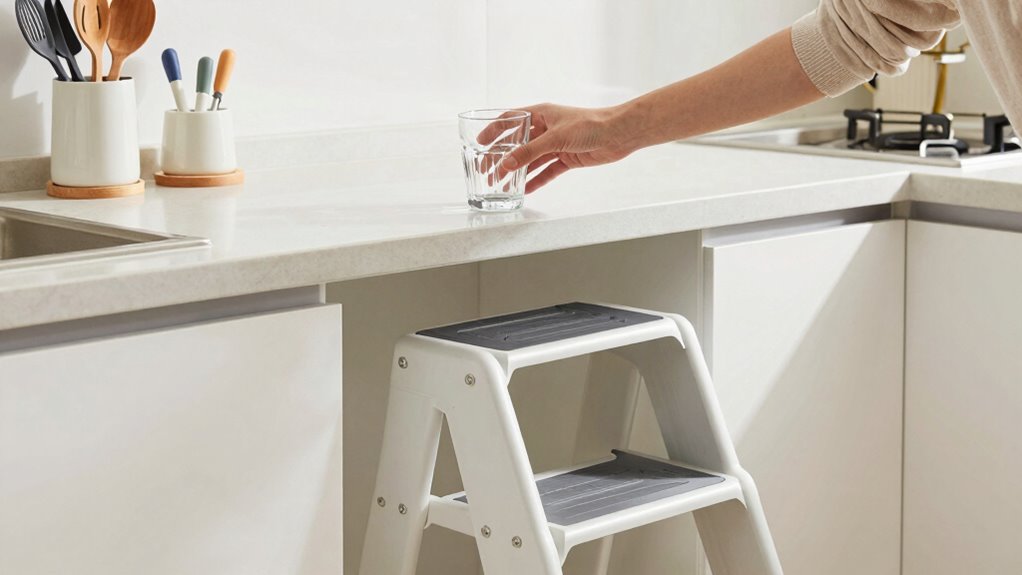

To reduce reaching, lifting, and awkward motions, organize your space so frequently used items are within easy reach at waist level. Use ergonomic tools like extended-reach devices and step stools with rails for high shelves. When lifting, bend at your hips and knees, holding objects close to your body, and use your leg muscles. Incorporate regular movement and stretching into your routines. Keep exploring for more tips to make daily tasks safer and more comfortable.

Get decor and gifts delivered free — and shop member deals
- Fast, free delivery on millions of items
- Access to Prime Big Deal Days deals on October 6–7
- Prime Video, Amazon Music and more included
Key Takeaways
- Organize frequently used items at waist level to minimize stretching and awkward reaching.
- Use ergonomic tools like extended-reach devices and step stools with rails for safe access.
- Maintain proper posture and adjust chairs and monitors to reduce strain during daily tasks.
- Incorporate regular movement and stretching to prevent stiffness and fatigue.
- Lift objects by bending at hips and knees, keeping items close to your body for safer handling.
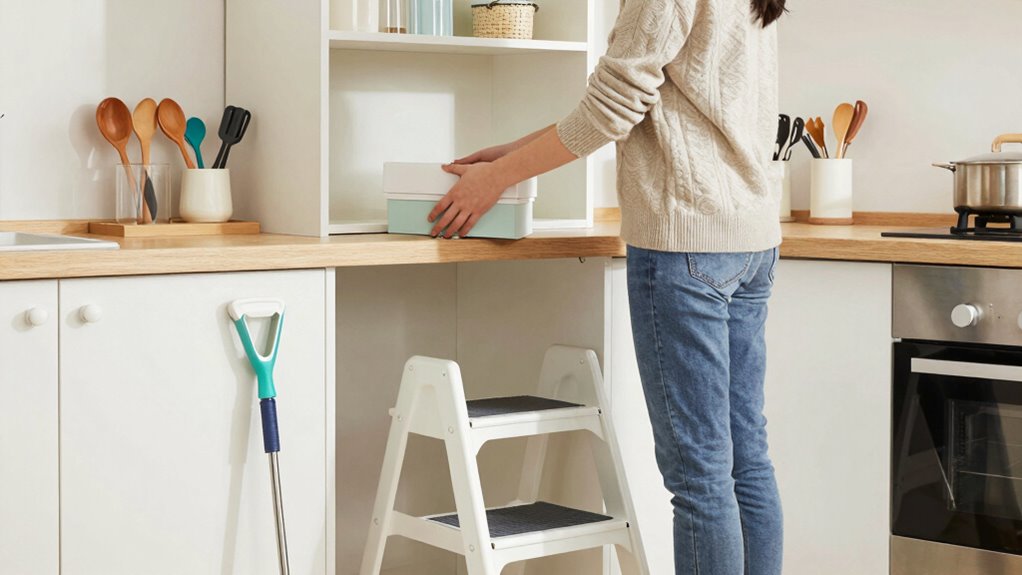
Many daily tasks can lead to unnecessary strain if you’re frequently reaching, lifting, or moving awkwardly. The good news is, small changes can make a big difference. By using ergonomic tools and making simple posture adjustments, you can reduce the risk of discomfort and injury. Start by evaluating your workspace and household environment. Keep frequently used items within easy reach, ideally at waist level, so you won’t have to stretch or bend excessively. Consider investing in ergonomic tools like adjustable carts, grab bars, or extended-reach tools designed to minimize awkward motions. These tools help you perform tasks more comfortably and safely by reducing the need to stretch or lift in unnatural ways.
Keep items within easy reach and use ergonomic tools to prevent unnecessary strain during daily tasks.
Posture adjustments are equally essential. When you’re at a desk or doing chores, maintain an upright posture with your shoulders relaxed and back straight. Avoid slouching or leaning forward, which can strain your neck and back muscles. Adjust your chair height so your feet are flat on the floor and your knees are at a 90-degree angle. Keep your monitor at eye level to prevent neck strain, and use ergonomic keyboards and mice that support natural hand positioning. These small shifts promote better alignment and reduce unnecessary reaching or twisting. Additionally, ergonomic setup can further enhance comfort and safety.
Incorporate regular movement into your routine to break up prolonged periods of static positions. Stand up, stretch, or walk around every 30 to 60 minutes. When lifting objects, always bend at your hips and knees rather than your waist. Use your leg muscles to lift, keeping the object close to your body to lessen strain. If an item is too heavy or awkward, don’t hesitate to ask for help or use tools like dollies or carts. These methods take the load off your back and arms and help prevent injury.
Another effective strategy is to organize your space to minimize reaching. Place frequently used items in easily accessible locations, reducing the need for prolonged or awkward stretches. When reaching for high shelves or distant objects, use step stools or ladders with rails for stability instead of stretching or balancing precariously. Remember, maintaining good posture and using ergonomic tools aren’t just about comfort—they’re about protecting your body from unnecessary stress over time. Small, intentional adjustments can markedly decrease the strain caused by daily reaching, lifting, and awkward motions, keeping you safer and more comfortable in your routines. Proper ergonomic design plays a crucial role in minimizing strain and preventing injury during everyday activities.
As an affiliate, we earn on qualifying purchases.
Frequently Asked Questions
How Can I Identify When I’M at Risk of Injury During Daily Activities?
You can identify when you’re at risk of injury by paying attention to your posture and movement awareness. Notice if you’re frequently bending awkwardly, twisting, or straining to reach or lift. Feeling discomfort or pain during activities is a clear sign, so adjust your posture and movements accordingly. Stay mindful of your body’s signals, and always aim for proper alignment to prevent injuries before they happen.
Are There Specific Exercises to Improve Flexibility for Reducing Awkward Movements?
To improve flexibility and reduce awkward movements, incorporate stretching routines and flexibility exercises into your daily routine. Focus on dynamic stretches like leg swings and arm circles, followed by static stretches such as hamstring and shoulder stretches. These exercises help loosen muscles, increase range of motion, and prevent injury. Consistently practicing these routines boosts your overall mobility, making daily activities smoother and safer, while reducing the risk of awkward, strain-inducing motions.
What Tools or Equipment Can Help Minimize Reaching and Lifting Efforts?
Using assistive devices and ergonomic tools can remarkably reduce your reaching and lifting efforts. Grab a reacher or grabber to extend your reach easily, and consider using adjustable-height tables and ergonomic handles to minimize awkward motions. These tools help you perform daily tasks more comfortably and safely, preventing strain. Incorporate them into your routine to make lifting and reaching less strenuous and more manageable.
How Do Ergonomic Principles Apply to Different Work Environments?
Ergonomic principles guide you to create a comfortable, efficient workspace by using ergonomic furniture that supports proper posture and reduces strain. You should optimize your workplace layout, keeping frequently used tools within easy reach to minimize awkward motions. Adjust your chair and desk height to promote good alignment, and make certain your monitor is at eye level. Applying these principles helps prevent discomfort and boosts productivity across various work environments.
When Should I Seek Professional Help for Persistent Pain or Discomfort?
If pain persists beyond a week or worsens, you should seek professional help. Did you know that around 80% of chronic pain cases could benefit from early intervention? Prioritize preventive care and pain management by consulting a healthcare provider when discomfort continues despite rest and adjustments. Ignoring persistent pain can lead to long-term issues, so don’t hesitate to get expert advice to protect your health and improve your well-being.
Conclusion
By making small changes, you’re planting seeds of safety and comfort in your daily life. Think of your routines as a delicate garden—each mindful movement is like watering a fragile bloom, helping it grow strong and resilient. When you reduce reaching, lifting, and awkward motions, you’re nurturing your well-being, allowing your body to flourish. With patience and care, you’ll harvest a healthier, more balanced life—one gentle step at a time.
Halloween Picks
halloween
As an affiliate, we earn on qualifying purchases.