
TL;DR

Get decor and gifts delivered free with Prime
- Fast, free delivery on millions of items
- Prime Video, Amazon Music and more included
- Member-only deals all year
Outdoor string lights are both decorative and practical, but choosing the right type depends on weather exposure, power source, brightness, and safety. Proper installation and maintenance ensure they shine beautifully and safely year-round.
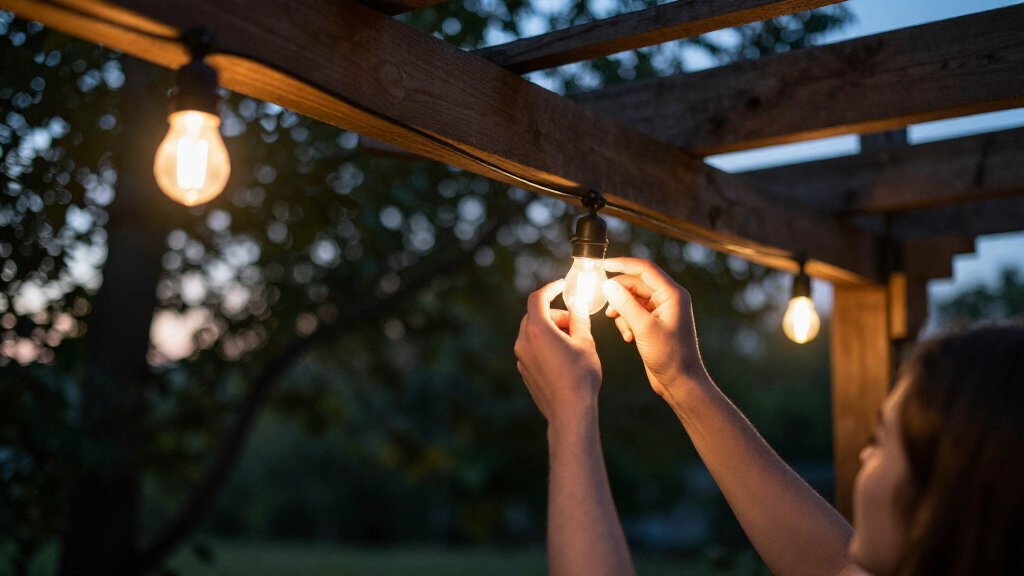
Imagine your backyard at dusk, softly glowing with strings of warm white lights draped over a pergola. The gentle sparkle creates an inviting atmosphere, perfect for dinner parties or quiet evenings. But choosing the right outdoor string lights isn’t just about aesthetics—safety, durability, and functionality matter just as much.
Whether you’re sprucing up a patio, decorating a garden, or adding charm to a wedding venue, understanding the ins and outs of outdoor string lights helps you pick the best options. This guide covers everything from types and technical specs to installation tips and the latest trends. Get ready to turn your outdoor space into a glowing masterpiece.
Choose weather-rated lights with proper IP ratings for your climate, especially IP65 or higher for rain-prone areas.
LED string lights save up to 75% energy and last 25 times longer than incandescent bulbs, making them a smart long-term investment.
Support long or permanent installs with guide wires or sturdy hooks to prevent sagging and damage.
Avoid damage by protecting connections with waterproof covers and elevating plugs, especially during storms or snow.
Smart and color-changing options add fun and flexibility, but verify compatibility with your home automation system before buying.
How to Pick the Perfect Outdoor String Lights for Your Space
Choosing outdoor string lights begins with understanding their core features. Think about where you’ll hang them—under a covered porch or exposed to rain. Weather-rated lights are essential; look for UL or ETL safety certification and an IP rating that matches your climate.
For example, if your patio faces frequent rain, opt for **wet-rated lights** with an IP65 or higher. If your area is generally dry but humid, **damp-rated** lights work fine. Remember, ‘weather-resistant’ doesn’t mean waterproof—so check the IP rating carefully.
Next, decide on your power source. Plug-in lights are reliable but need an outdoor outlet. Solar lights are easy to place but depend on sunlight and weather. Low-voltage systems offer flexibility and safety, especially around trees and plants.
Finally, consider bulb types and brightness. Warm white LEDs around 2,200–2,700 K create a cozy glow, while brighter options are good for functional lighting. Spacing between bulbs (usually 30–60 cm) influences the decor versus illumination balance. Match your choice to your desired atmosphere and practical needs.
outdoor string lights weatherproof IP65
As an affiliate, we earn on qualifying purchases.
As an affiliate, we earn on qualifying purchases.
Understanding Weather Ratings and IP Ratings to Keep Lights Safe
Outdoor string lights must be rated for the weather they’ll face. The IP (Ingress Protection) code helps you understand their durability. The first digit shows protection against solids like dust; the second against water. A rating of **IP65** means dust-tight and protected against water jets.
Why does this matter? Because exposure to water and dust can cause electrical faults, short circuits, or corrosion, which are safety hazards and reduce lifespan. Choosing the right IP rating isn’t just about durability—it directly impacts safety and maintenance costs. For instance, a lower-rated light might work initially but could fail prematurely or pose a risk during storms, leading to potential fire hazards or electrical shocks. Higher IP ratings often come with a higher upfront cost but can save money and hassle long-term by withstanding the elements better.
For example, if you hang lights directly over a garden table exposed to rain, choose IP65 or higher. For sheltered areas, IP44 or IP55 might suffice. But avoid lights with only ‘weather-resistant’ labels if they face constant rain or snow.
Remember, higher IP ratings often mean higher costs but better durability. Proper installation—like sealing connections and protecting plugs—extends their lifespan. Also, avoid running cords across water puddles or placing connections where they can pool water.
In short, matching the IP rating with your climate ensures your lights last longer and stay safe during storms or heavy dew. Investing in proper ratings and installation practices reduces the risk of electrical hazards and prolongs the aesthetic appeal of your outdoor lighting.
Latest Trends in Outdoor String Lights You Need to Know
Outdoor lighting technology keeps evolving fast. Smart controls now let you schedule lights, change colors, or sync with music via Wi-Fi or Bluetooth. Imagine the entire backyard pulsing to your favorite playlist—without touching a switch. These features add convenience and allow you to customize your ambiance for different occasions, enhancing your outdoor experience.
LED technology has advanced, with shatter-resistant plastic bulbs replacing fragile glass, making outdoor setups more durable. Color-changing RGB and RGBIC strings offer dynamic effects—gradients, flashing, or smooth color transitions—perfect for parties or cozy nights. This variety lets you create a vibrant or subtle mood, depending on your preference.
More homeowners are installing permanent string systems—mounted on pergolas or walls—so they can enjoy year-round ambiance. Energy-conscious features like timers, dusk-to-dawn sensors, and motion-activated controls help cut electricity bills and reduce light pollution. These innovations not only improve energy efficiency but also make outdoor lighting more sustainable and user-friendly.
Finally, commercial-grade products with heavy-duty cables and sealed sockets are more accessible now, making DIY installations safer and more long-lasting. These trends make outdoor lighting more versatile, stylish, and eco-friendly than ever before. Staying updated on these advances ensures your outdoor space remains modern, functional, and visually appealing for years to come.
How to Install Outdoor String Lights Without Drilling or Damage
Installing outdoor string lights without drilling is easier than you think. First, identify sturdy anchor points like trees, fences, or existing hooks. Use adhesive hooks or magnetic clips designed for outdoor use—these won’t damage surfaces and are easy to remove.
For example, a homeowner might string lights across a pergola using heavy-duty adhesive hooks that withstand weather. For fences or siding, use specialized clips that latch onto the material without nails or screws.
Ensure the electrical connections are off the ground, and use weatherproof extension cords if needed. Keep plugs elevated and protected from water—using outdoor-rated extension cords with GFCI protection adds safety.
Remember, avoid straining the cords or pulling on the bulbs. Support longer runs with guide wires or hooks spaced every 1–2 meters, preventing sagging and damage. With a little planning, you can create a magical glow without damaging your home or plants. Proper placement and support prevent unnecessary stress on cords and bulbs, which can lead to early failure or safety issues. Using non-invasive mounting options preserves your landscape and makes future adjustments easier, allowing you to enjoy your lighting setup without permanent alterations.
How to Maintain and Troubleshoot Your Outdoor String Lights
Regular maintenance keeps your outdoor string lights shining brightly. Check bulbs and sockets periodically for cracks, corrosion, or water damage. Clean solar panels with a soft cloth to keep them efficient.
If a section stops working, inspect for loose bulbs or damaged wiring. Replacing broken bulbs or fuses can often restore function; make sure to turn off power before repairs. Understanding the cause of failures helps prevent recurring issues and extends the lifespan of your lights.
For LED strings, avoid exposing connections to water. Use waterproof covers or seal connections with outdoor-rated electrical tape or silicone. Store lights indoors during winter or harsh weather, and coil them loosely to prevent damage. Proper storage and handling prevent deterioration, ensuring your lights remain functional for many seasons.
Pro tip: keep spare bulbs handy—especially for incandescent or traditional strings. Proper upkeep, including cleaning, checking connections, and careful storage, ensures your outdoor ambiance remains vibrant and safe over time.
Comparison of Common Outdoor String Light Types
| Type | Main Advantage | Main Limitation |
|---|---|---|
| Plug-in LED | Reliable, energy-efficient, bright | Needs outlet nearby |
| Solar | No wiring, free energy | Weather-dependent, limited runtime |
| Battery-powered | Portable, easy to move | Limited battery life, ongoing replacement |
| Low-voltage | Flexible, safe wiring | Requires transformer |
| Incandescent | Warm glow, smooth dimming | High energy use, short lifespan |
| Smart RGB | Colorful, automated effects | More expensive, connectivity needed |
What You Should Know Before Buying Outdoor String Lights
Before making a purchase, think about your climate, space, and aesthetic goals. For wet environments, prioritize **wet-rated** and IP65+ lights. For decorative purposes, pastel or warm white LEDs create cozy vibes, while brighter, cooler lights serve functional needs.
Measure your area carefully—longer strings may need support or guide wires. Check the maximum connected length to avoid overload or flickering. Decide if you want smart features—remote control, color-changing, or timers—or simple, reliable lighting.
Always buy from reputable brands with clear safety ratings. Invest in quality—cheaper options often fail faster, leading to frustration and waste. The right outdoor string lights, chosen and installed properly, can provide years of reliable, beautiful illumination, saving you money and effort in the long run.
Frequently Asked Questions
Can outdoor string lights stay outside all year?
Yes, if they are rated for outdoor use, especially with a high IP rating like IP65 or higher. Make sure connections are protected, and store them indoors if extreme weather or snow is expected for long periods.
What is the difference between damp-rated, wet-rated, weather-resistant, and waterproof?
Wet-rated lights are designed for direct exposure to rain and water jets, perfect for open areas. Damp-rated lights suit covered porches or sheltered spaces. Weather-resistant means they withstand some weather but aren’t fully waterproof. Waterproof or submersible lights can handle direct immersion, usually for ponds or fountains.
How far apart should the bulbs be for a cozy, uniform glow?
Most patio string lights have bulbs spaced roughly 30–60 cm apart. Closer spacing creates more uniform, ambient lighting, while wider spacing emphasizes decorative effect. Adjust based on your desired look and space size.
Are LED string lights better than incandescent?
Absolutely. LED lights use significantly less energy, last much longer—up to 25 times—and produce less heat. They’re safer for outdoor use and more cost-effective over time, especially for year-round lighting.
Can I connect multiple strings end-to-end?
Yes, but only if the manufacturer specifies the maximum number of strings that can be linked safely. Always check the wattage limit and ensure connections are weatherproof. Overloading can cause flickering or damage.
Conclusion
Outdoor string lights aren’t just about brightness—they’re about creating a mood. When you choose the right type, install carefully, and maintain regularly, your outdoor space transforms into a magical retreat that’s safe and inviting year-round.
Remember, a well-lit patio or garden isn’t just prettier—it’s safer, more functional, and downright cozy. So, pick your style, plan your layout, and let your yard shine with personality and charm.
Halloween Picks
halloween
As an affiliate, we earn on qualifying purchases.