
To make an older home more livable, focus on blending preservation with smart upgrades. Preserve key historic features like moldings, staircases, and fireplaces, while updating electrical, plumbing, and insulation for safety and efficiency. Reconfigure layouts for modern comfort, add energy-efficient windows, and improve lighting to brighten spaces. Exterior repairs should maintain the home’s character, creating a seamless balance between old charm and new convenience. Keep exploring to discover how these strategies come together for a truly comfortable home.

Get decor and gifts delivered free with Prime
- Fast, free delivery on millions of items
- Prime Video, Amazon Music and more included
- Member-only deals all year
Key Takeaways
- Modernize essential systems like wiring, plumbing, and HVAC to improve safety, comfort, and efficiency.
- Reconfigure layouts to enhance functionality while preserving original architectural details.
- Install energy-efficient windows, insulation, and lighting to boost comfort and reduce utility costs.
- Incorporate contemporary amenities and smart technology subtly to maintain historic charm.
- Upgrade exteriors with authentic restoration and cohesive design to enhance curb appeal and overall livability.
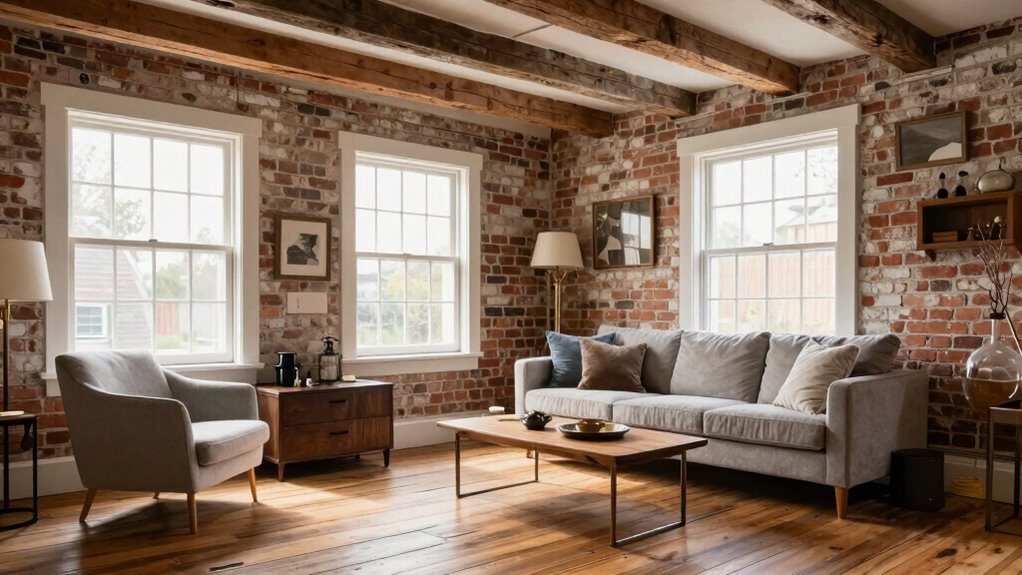
Are you wondering how to breathe new life into an older home? The key lies in finding the right upgrade strategy that respects its character while making it comfortable for modern living. You want to preserve its historic charm through thoughtful historic preservation, but you also need to incorporate modern renovation techniques to guarantee the space feels fresh and functional. Striking this balance can seem intimidating, but it’s entirely achievable with a clear plan.
Start by evaluating the home’s unique features and identifying which elements hold the most historical significance. Focus on preserving original architectural details like moldings, staircases, or fireplace mantels. This approach not only maintains the home’s character but also adds value and authenticity. When doing so, consider working with professionals experienced in historic preservation—they can guide you on what can be preserved or restored without compromising the integrity of the structure. Simultaneously, plan for updates that enhance comfort and efficiency, such as replacing outdated wiring or plumbing, installing energy-efficient windows, and upgrading insulation. These modifications are essential for making the home livable without sacrificing its historic essence. Additionally, understanding how biodiversity can influence sustainable renovation choices enables you to incorporate eco-friendly materials and practices that support local ecosystems and reduce environmental impact. Incorporating sustainable building practices can also help ensure that your renovation minimizes environmental harm while maximizing energy savings. Embracing eco-conscious strategies can further elevate your project, aligning preservation efforts with environmental responsibility.
Preserve key architectural details and upgrade systems for comfort without compromising historic integrity.
Next, pay attention to layout and functionality. Older homes often have layouts that don’t suit contemporary lifestyles. Modern renovation can involve reconfiguring spaces, opening up rooms, or adding new features like a modern kitchen or bathroom. While doing this, keep in mind the home’s original design elements to guarantee renovations blend seamlessly with the existing architecture. Considering building codes early in the planning process can prevent costly delays and ensure all updates are compliant with safety standards. Use materials and finishes that complement the historic style, but don’t shy away from incorporating modern touches—sleek countertops, smart home systems, or contemporary lighting—that boost usability and comfort.
Lighting plays an important role in transforming an older home into a livable space. Consider installing energy-efficient fixtures that mimic vintage styles, which can brighten rooms and create a welcoming atmosphere without clashing with historic details. Similarly, updating flooring with materials that respect the home’s era—such as hardwood or period-appropriate tiles—can make a significant impact.
Finally, pay close attention to exterior upgrades. Restoring original facades, repainting in historically accurate colors, and repairing the roof or porch can dramatically improve curb appeal while respecting the home’s heritage. These exterior updates, combined with interior improvements, create a cohesive look that honors the past while embracing the present.
energy-efficient replacement windows for historic homes
As an affiliate, we earn on qualifying purchases.
As an affiliate, we earn on qualifying purchases.
Frequently Asked Questions
How Do I Prioritize Upgrades for My Aging Home?
You should start by identifying essential updates like electrical and plumbing systems, then move to aesthetic improvements that enhance charm. Prioritize historical preservation to maintain character while upgrading key features for safety and efficiency. Consider your home’s unique features and budget, focusing on improvements that boost livability and preserve its charm. This approach balances functionality with maintaining the home’s original character, making it more comfortable and charming for everyday living.
What Budget Should I Allocate for Major Upgrades?
For major upgrades, you should allocate a flexible budget based on your home’s needs and your financial situation. Start with budget planning by setting aside 10-20% of your home’s value for upgrades, but be ready to adapt as costs become clear. Upgrade budgeting involves prioritizing essential improvements first, then allocating funds for less urgent projects. This approach ensures you make meaningful upgrades without overspending or compromising your finances.
Are There Eco-Friendly Upgrade Options for Older Homes?
Yes, you can definitely choose eco-friendly upgrades for your older home. Consider installing eco-friendly insulation, like cellulose or spray foam made from recycled materials, to improve energy efficiency. Also, opt for sustainable roofing options such as metal or recycled shingles, which last longer and reduce environmental impact. These upgrades not only make your home more eco-conscious but also increase comfort and potentially lower energy costs over time.
How Long Do Typical Home Upgrades Take?
Think of your home as a storybook, where each upgrade adds a new chapter. Typically, upgrades take anywhere from a few days for simple fixes like painting or lighting to several weeks for major projects like kitchen remodels or new roof installations. During this time, you focus on enhancing home security and interior aesthetics, transforming your space into a more comfortable, stylish haven. Planning carefully helps guarantee a smooth, timely process.
Can I Upgrade a Home Without Extensive Renovations?
Yes, you can upgrade a home without extensive renovations by focusing on historical preservation and structural reinforcements. Simple updates like repainting, updating fixtures, and adding modern insulation can considerably improve comfort and efficiency. Prioritize preserving character while reinforcing the structure for safety and longevity. This approach lets you enhance your home’s livability without major disruptions, maintaining its charm while ensuring it’s more functional and secure.
Conclusion
Think of your older home as a vintage car—with some upgrades, it can run like new. I once helped a homeowner update a century-old house, and now it feels like stepping into a cozy, modern space while still holding onto its charm. Just like tuning an engine, small improvements—new insulation, smarter lighting—can breathe new life into your home. With the right upgrades, you’ll enjoy a space that’s both nostalgic and comfortable for years to come.
Halloween Picks
halloween
As an affiliate, we earn on qualifying purchases.