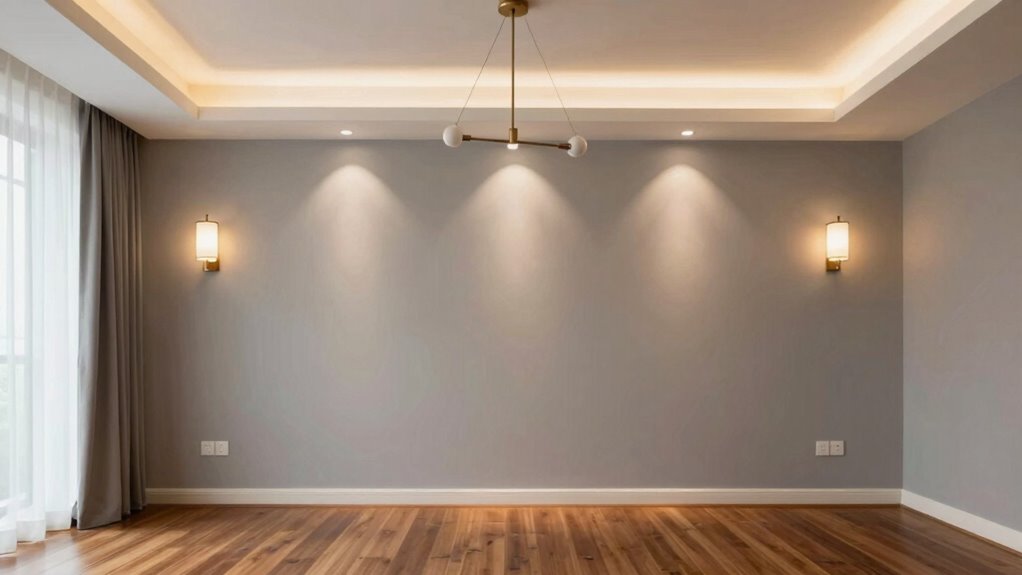

You should plan your lighting first because it heavily influences how your space looks and feels.Lighting sets the mood, highlights features, and guides color and decor choices. Good lighting makes rooms appear larger, cozier, or more vibrant, depending on your goals. It also helps you select the right paint shades and furniture placement for natural light entry points. If you want to create a cohesive, functional, and energy-efficient environment, understanding the importance of lighting setup is essential—more details lie ahead.

Get decor and gifts delivered free — and shop member deals
- Fast, free delivery on millions of items
- Access to Prime Big Deal Days deals on October 6–7
- Prime Video, Amazon Music and more included
Key Takeaways
- Planning lighting first ensures color choices complement natural and artificial light, preventing mismatched or dull appearances.
- It helps position furniture and decor to optimize natural light entry and enhance space perception.
- Early lighting design allows for layered lighting, creating the desired ambiance and functional zones effectively.
- Considering lighting beforehand promotes energy efficiency and reduces future renovation costs.
- Lighting plans influence overall interior design, guiding color schemes, decor placement, and mood creation from the start.
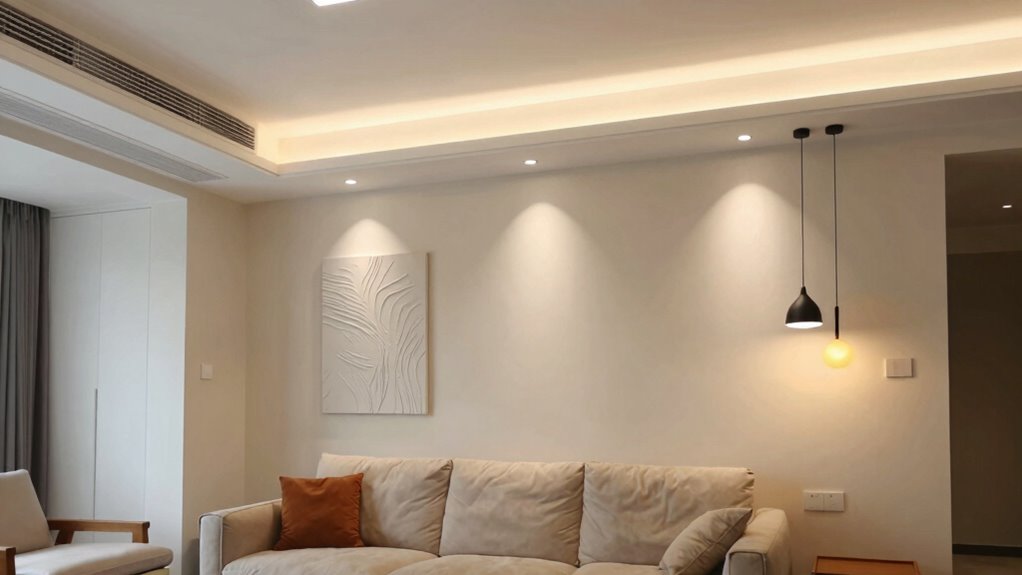
Planning your lighting before choosing paint and decor is essential because lighting considerably influences the overall feel of a space. When you prioritize lighting early, you set the foundation for a cohesive and functional design. Proper lighting enhances natural illumination, which not only makes your space brighter but also reduces your reliance on artificial sources. This focus on natural illumination can help you select colors and finishes that complement the light, creating a more inviting environment. Additionally, considering lighting at this stage allows you to make smarter decisions about energy efficiency. You can choose fixtures and bulbs that consume less power but still deliver ample brightness, saving you money on utility bills and reducing your carbon footprint.
Planning lighting first enhances natural light, sets a cohesive tone, and promotes energy-efficient, inviting spaces.
By planning your lighting first, you ensure that your entire space works harmoniously. For example, if you know where the natural light enters during the day, you can position furniture and select paint colors that reflect or absorb light accordingly. Lighter shades can bounce natural illumination throughout the room, making it feel larger and more open, while darker hues can create cozy, intimate corners. Your lighting plan also guides your choice of fixtures, enabling you to highlight architectural features or artwork effectively. When you understand how light interacts with your space, you can avoid mismatched decor that looks out of place or feels dull under inadequate lighting. Considering lighting interactions during the planning stage helps you optimize your space’s ambiance and functionality. Proper lighting design also involves understanding how different types of light can influence the mood and perception of your space, which is why layered lighting is such an important component. Incorporating lighting controls from the beginning allows for greater flexibility and customization of your lighting environment. Recognizing the importance of natural light in your overall design can greatly improve both energy efficiency and comfort.
Furthermore, a comprehensive understanding of how lighting affects perceptions can lead to more effective use of lighting placement, ensuring every corner is well-lit according to its purpose. Focusing on lighting before paint and decor also helps you avoid costly mistakes. If you pick paint colors first without considering how your lighting will change their appearance, you might end up with shades that look dull or too vibrant once illuminated. Planning ahead ensures you test colors under different lighting conditions, leading to more accurate choices. It also allows you to incorporate layered lighting—ambient, task, and accent—into your design from the start, balancing brightness and creating mood. This proactive approach prevents the need for repainting or installing additional fixtures later, saving you time and money.
Ultimately, a well-thought-out lighting plan acts as the backbone of your interior design. It influences your color palette, decor placement, and even furniture choices. By focusing on lighting first, you create a versatile, energy-efficient space that feels comfortable and cohesive throughout the day and night. You’ll enjoy a brighter, more inviting environment that maximizes natural illumination and reduces energy consumption—making your home both beautiful and sustainable.
As an affiliate, we earn on qualifying purchases.
Frequently Asked Questions
How Does Lighting Affect the Overall Mood of a Room?
Lighting profoundly impacts the overall mood of your room by shaping its ambient ambiance and emotional impact. You can create a cozy, inviting feel with warm, soft lighting or energize the space with bright, cool tones. Proper lighting highlights your decor and paint choices, making the room more comfortable and visually appealing. When planned thoughtfully, lighting sets the tone, influences emotions, and enhances the room’s overall atmosphere.
Can Lighting Plans Reduce Energy Costs Long-Term?
A good lighting plan is your secret weapon for long-term energy savings. By choosing energy-efficient fixtures and strategic placement, you can cut down on electricity costs and reduce your carbon footprint. Think of it as planting seeds for future cost savings; the smarter your lighting choices now, the more your utility bills will thank you later. So, yes, a well-designed lighting plan definitely helps you save money over time.
What Are the Latest Trends in Lighting Design?
The latest trends in lighting design focus on smart technology and decorative accents. You can now integrate smart lighting systems that adjust brightness and color temperature automatically, enhancing ambiance and energy efficiency. Decorative accents like statement pendant lights, LED strips, and designer fixtures add personality and style to your space. Embracing these trends allows you to create a modern, functional, and visually mesmerizing environment that aligns with current design innovations.
How Do I Choose the Right Fixtures for My Space?
To choose the right fixtures for your space, start with fixture placement, ensuring lights highlight key areas and create the desired ambiance. Consider bulb selection to match your lighting goals—warm bulbs for coziness, cool for task areas. Think about fixture styles that complement your decor, and prioritize energy efficiency. Test different options if possible, and don’t forget to balance function with aesthetics for a cohesive, well-lit environment.
What Is the Typical Timeline for Implementing a Lighting Plan?
Timing is everything in lighting plans. Typically, you’ll spend a few weeks on lighting placement and fixture selection, coordinating with contractors and designers. This process includes designing the layout, selecting fixtures, and scheduling installation, often taking 4-8 weeks. Think of it as laying the foundation to make certain your space shines perfectly—because proper timing guarantees your lighting complements your paint and decor, creating a harmonious, functional environment.
Conclusion
Think of your home as a symphony—lighting is the conductor guiding every note. By planning your lighting first, you set the tone and mood for your space, allowing paint and decor to harmonize perfectly. When lighting takes center stage early on, everything else falls into place, creating a masterpiece that feels intentional and inviting. So, don’t just decorate—compose your home’s ambiance with a well-crafted lighting plan first.
Fall Picks
fall essentials
As an affiliate, we earn on qualifying purchases.