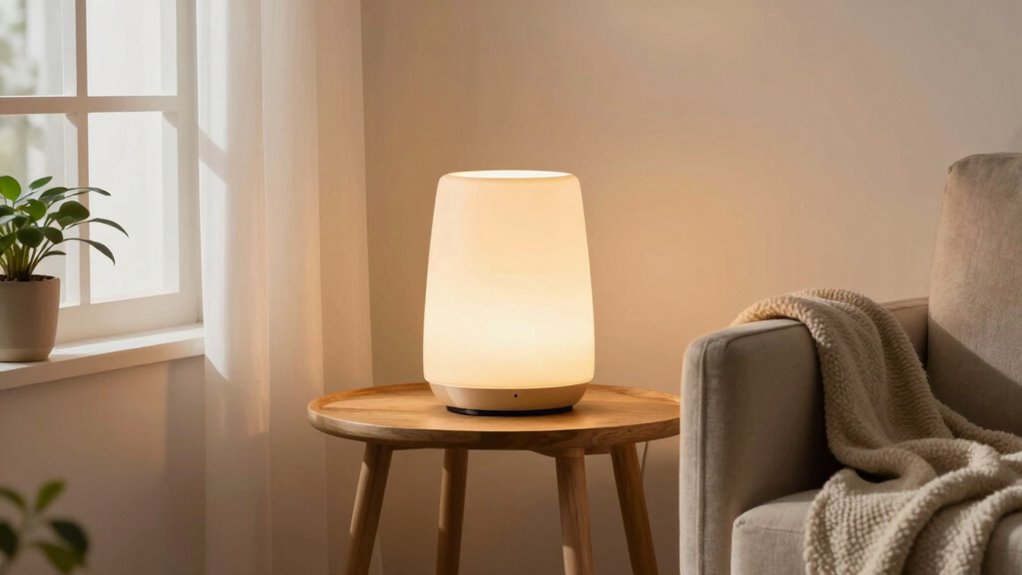
To use light therapy lamps safely and effectively, integrate them into your morning routine for 20-30 minutes daily. Choose a lamp that’s at least 10,000 lux and positioned 12-24 inches away. Stick to a consistent schedule to regulate your body’s rhythm and boost mood. Avoid common mistakes like irregular timing or insufficient light intensity. Enhance your results by combining light therapy with exercise and optimizing your environment. Interested in more tips and best practices?

Get decor and gifts delivered free with Prime
- Fast, free delivery on millions of items
- Prime Video, Amazon Music and more included
- Member-only deals all year
Key Takeaways
- Use a light therapy lamp with at least 10,000 lux and a color temperature of 5000-6500K for optimal effectiveness.
- Maintain a consistent daily schedule for therapy sessions to regulate your circadian rhythm.
- Position the lamp 12-24 inches away from your face while ensuring it filters out harmful UV rays.
- Combine light therapy with regular exercise and a healthy sleep routine to enhance overall mood and effectiveness.
- Track your progress and adjust usage based on personal tolerance and mental well-being indicators.
As an affiliate, we earn on qualifying purchases.
Understanding Seasonal Affective Disorder (SAD)
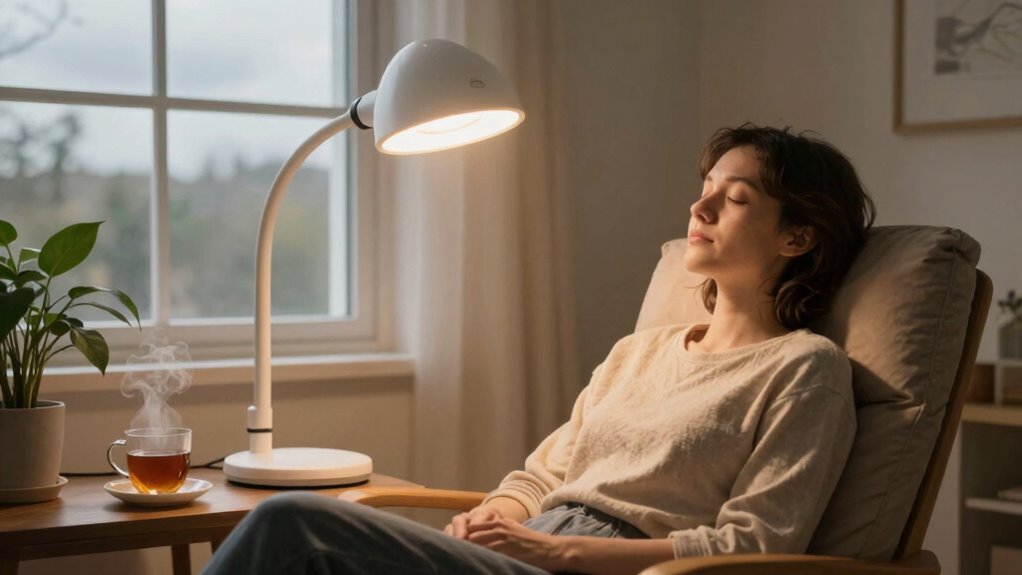
Understanding Seasonal Affective Disorder (SAD) can feel overwhelming, especially if you or someone you know struggles with it. This mood disorder typically occurs during the fall and winter months when daylight is scarce. A symptoms overview includes feelings of sadness, low energy, changes in sleep patterns, and difficulty concentrating. You might also notice changes in appetite or weight. Recognizing these signs is vital for seeking help. Additionally, some people find that light therapy using specially designed lamps can effectively alleviate symptoms.
Many individuals also explore the benefits of natural remedies, such as increased outdoor activity and diet adjustments, to complement light therapy. Incorporating studio lighting techniques can sometimes enhance the effectiveness of light therapy by ensuring optimal exposure. Fortunately, there are treatment options available. Many find relief through therapy, medication, or lifestyle changes, such as increased physical activity and social engagement. Exploring these avenues can make a significant difference in managing SAD. It’s essential to consult a healthcare professional to determine the best approach for your specific situation. Comparative advantage principles also suggest that combining different approaches can optimize overall well-being and recovery. Incorporating evidence-based wellness devices can further support symptom relief and improve daily functioning.
What Is Light Therapy and How Does It Work?
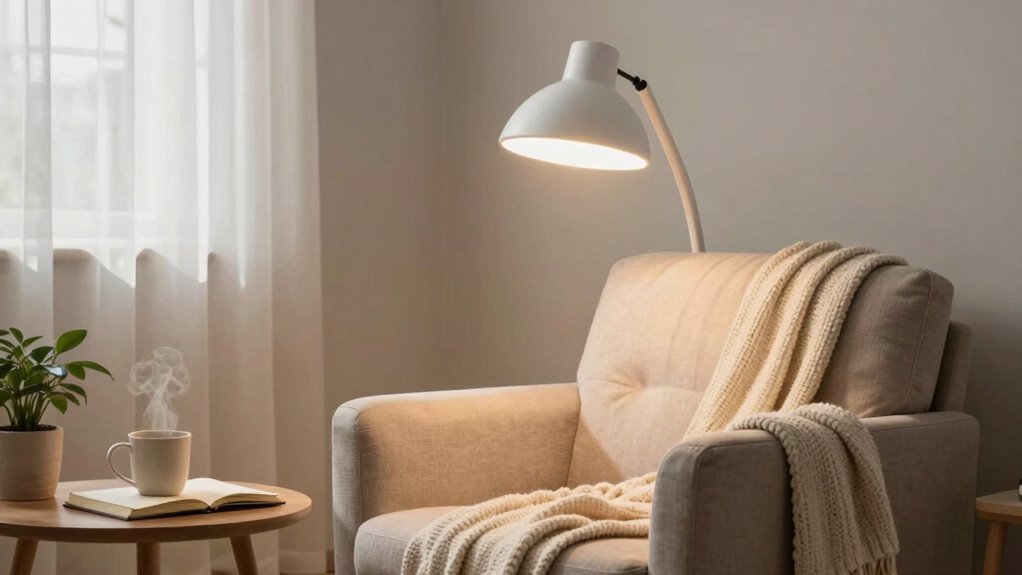
Light therapy, often referred to as bright light therapy, is a popular treatment for Seasonal Affective Disorder (SAD) and other mood-related conditions. It works by exposing you to a specific light spectrum that mimics natural sunlight. This exposure helps regulate your body’s internal clock, improving your mood and overall well-being. When you sit in front of a light therapy lamp, the bright light stimulates your brain’s production of serotonin, a key hormone for mood enhancement. Typically, sessions last about 20 to 30 minutes, and you’ll want to use a lamp that’s designed to filter out harmful UV rays. By incorporating light therapy into your routine, you can effectively combat symptoms of SAD and boost your mood during the darker months.
Best Practices for Using Light Therapy Effectively

To get the most out of your light therapy sessions, it’s crucial to establish a consistent routine. Follow these best practices to enhance the effectiveness of your treatments:
Establishing a consistent routine is key to maximizing the benefits of your light therapy sessions.
- Choose the Right Light Intensity: Opt for a lamp that provides sufficient brightness to stimulate your mood without causing discomfort.
- Consider Color Temperature: Select a light therapy lamp with a color temperature around 5000-6500K, mimicking natural daylight for ideal results.
- Position Properly: Sit about 12-24 inches away from the lamp to guarantee even exposure.
- Time It Right: Use your lamp in the morning to help regulate your circadian rhythm and boost energy levels throughout the day.
- Ensure Proper Color Accuracy: A well-calibrated light therapy lamp with accurate color reproduction can improve your overall experience and effectiveness.
Daily Usage Duration for Light Therapy?
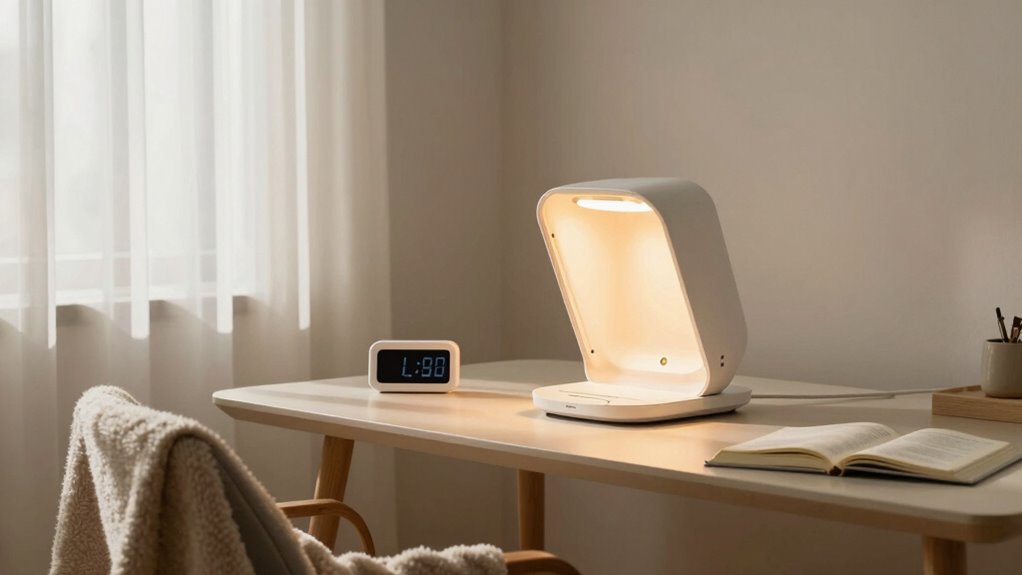
After establishing a consistent routine with your light therapy sessions, determining the right daily usage duration is essential to maximizing benefits. Most experts recommend starting with 20 to 30 minutes of light exposure each day. This duration allows your body to adapt while receiving sufficient light to enhance mood and energy levels. You might find it helpful to experiment with different timing strategies, such as using the lamp in the morning to combat morning sluggishness or in the evening to support relaxation. Pay attention to how you feel and adjust the duration accordingly. Consistency is vital, so try to use the lamp at the same time each day for best results.
Common Light Therapy Mistakes to Avoid

When using light therapy lamps, it’s easy to make mistakes that can reduce their effectiveness. Be mindful of how long you’re using the lamp and where you place it for the best results. Let’s explore some common pitfalls to avoid for maximum benefits.
Incorrect Light Duration
Although you might think that longer sessions equate to better results, using incorrect light duration can actually hinder the benefits of light therapy. Sticking to proper duration guidelines is key to maximizing effectiveness. Here are some common mistakes to avoid:
- Overdoing it: Sessions longer than recommended can lead to eye strain or headaches.
- Underestimating intensity: If the light intensity is too weak, you won’t achieve desired effects, no matter the duration.
- Inconsistent timing: Irregular sessions can disrupt your body’s rhythm, diminishing benefits.
- Ignoring personal tolerance: Everyone’s sensitivity varies; listen to your body and adjust accordingly.
- Neglecting proper light therapy schedule: Following a consistent schedule helps your body adapt and enhances overall results.
Improper Lamp Placement
Improper lamp placement can greatly reduce the effectiveness of light therapy, so it’s crucial to position your lamp correctly. Start by adjusting the lamp height to guarantee the light reaches your eyes comfortably. Aim for a direct line of sight to maximize light intensity without straining. Use angle adjustment to mitigate glare reduction and avoid harsh reflections from surfaces in your room. Position the lamp about 16 to 24 inches away from you for best results, ensuring it fills your field of vision. Be mindful of room positioning; a clutter-free area enhances the therapy experience. Additionally, considering the impact of indoor air quality can improve your overall health benefits during therapy sessions. Proper lamp placement can also prevent discomfort or eye strain, making your sessions more comfortable and effective. By addressing these factors, you’ll create a more effective light therapy setup that promotes better mood and energy levels.
Lifestyle Changes to Boost Your Light Therapy Results
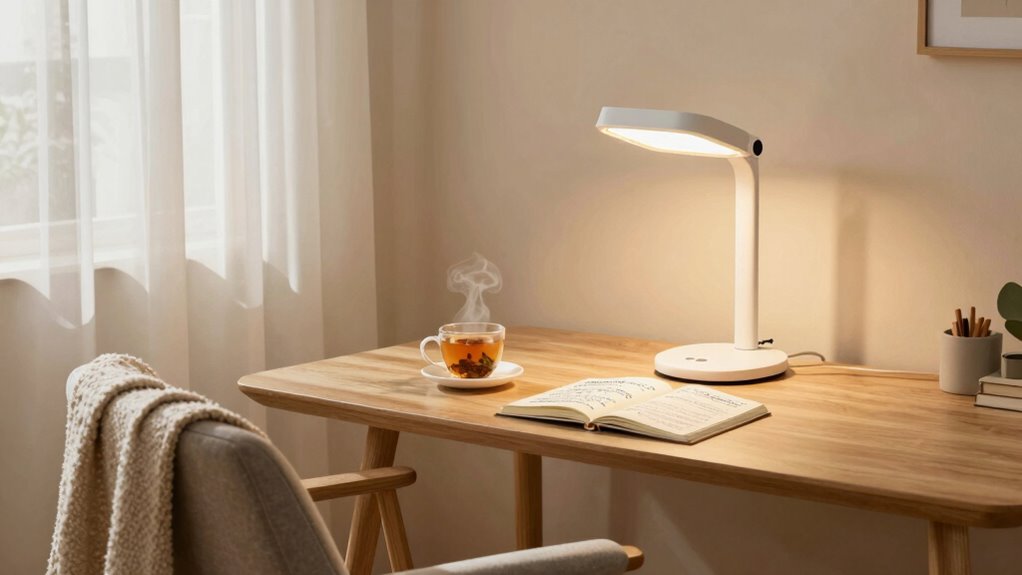
To maximize the benefits of your light therapy, consider making some lifestyle changes. Optimizing your environment, establishing a routine, and combining therapy with regular exercise can all enhance your results. Incorporating ergonomic habits into your daily routine can also support your overall well-being and improve your mental health. Let’s explore how these adjustments can make a real difference.
Optimize Your Environment
Creating the right environment can greatly enhance the effects of your light therapy sessions. By optimizing your surroundings, you can maximize the benefits and improve your mood. Here are some tips to contemplate:
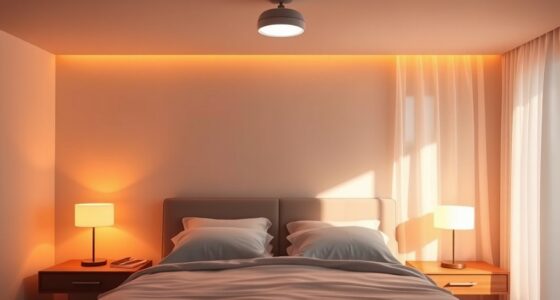
- Adjust Ambient Lighting: Use soft, warm lights in the room to create a cozy atmosphere when you’re not using the therapy lamp.
- Choose Calming Room Colors: Opt for blues or greens on your walls, as they can promote relaxation and enhance the therapy’s effects.
- Minimize Clutter: Keep your space tidy to reduce distractions, allowing you to focus on your therapy.
- Incorporate Nature: Add plants or natural elements to promote a sense of well-being and connection to the outdoors.
- Consider Your Environment for Smarter Living: Creating a supportive setting can help you develop a lifestyle upgrade that makes light therapy more effective. Paying attention to outdoor gear and sustainable home practices can further reinforce a healthy, balanced environment. Additionally, arranging your space with smart furniture such as ladder racks or smart beds can streamline your daily routines and support your overall well-being.
These changes can help you get the most out of your light therapy experience.
Establish a Routine
While integrating light therapy into your daily life, establishing a consistent routine can considerably enhance its effectiveness. Start by incorporating light therapy into your morning routine to boost your energy. Consider timing and gradually expose yourself to the light, adjusting based on environmental factors and seasonal changes. In the evenings, use the lamp for relaxation, combining it with mindfulness practices to unwind. Incorporating daily habits can help reinforce the benefits of your light therapy sessions. Developing a structured approach to training and recovery can further optimize your results and support your overall well-being. Consistently maintaining a sleep-friendly environment can also amplify the positive effects of your routine.
Combine With Exercise
Integrating light therapy into your routine can be even more effective when you combine it with regular exercise. Not only do you enhance the benefits of light therapy, but you also improve your overall well-being. Here are four ways to maximize your results:
- Boost Mood: Exercise releases endorphins, which can amplify the positive effects of light therapy. Engaging in physical activity also supports nutritional balance, further promoting mental health. Incorporating a variety of quiet travel activities can help you stay consistent and motivated. Additionally, understanding the role of mental wellbeing indices can guide you in tracking your progress and adjusting your routines accordingly.
- Increase Energy: Regular workouts help you feel more energized, making it easier to engage with your light therapy sessions.
- Explore Outdoor Activities: Sunlight exposure during outdoor exercise naturally complements your light therapy.
- Establish a Routine: Pairing exercise with light therapy can create a consistent schedule, enhancing both practices. Maintaining a healthy sleep schedule can further support the effectiveness of your light therapy and overall mental health.
Choosing Your Ideal Light Therapy Lamp
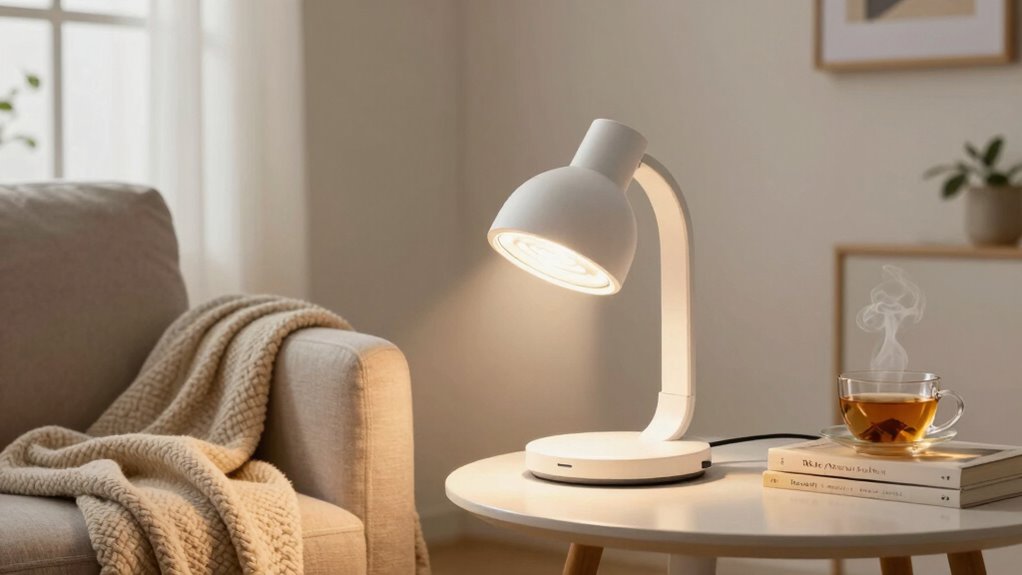
How do you find the right light therapy lamp for your needs? Start by exploring different lamp types, such as full-spectrum and light-emitting diode (LED) options. Consider the brightness levels; you’ll want a lamp with at least 10,000 lux for effective therapy. Pay attention to color temperature, as a cooler light mimics natural daylight. Guarantee UV safety by choosing lamps that filter harmful rays. Think about size considerations and portability options—if you plan to travel, a compact lamp might be best. Don’t forget to make brand comparisons and read feature reviews to assess quality and effectiveness. Additionally, ensure the lamp is compatible with anti-fatigue mats and standing desk gear, as proper energy management can extend the lifespan and efficiency of your device, similar to how choosing the right light therapy lamp can optimize your therapeutic experience. By focusing on these factors, you can confidently choose a lamp that fits your lifestyle and therapeutic goals.
Frequently Asked Questions
Can Light Therapy Help With Sleep Disorders?
Yes, light therapy can help with sleep disorders. By using a light therapy lamp, you can improve your sleep quality and regulate your circadian rhythm. The bright light mimics natural sunlight, signaling your body when to be awake and when to wind down. Just make sure to use it at the right time of day for the best results. Consistency is key, so incorporate it into your daily routine for effective benefits.
Are There Any Side Effects of Using Light Therapy Lamps?
Using light therapy lamps can have some side effects, but they’re generally mild. You might experience eye strain or headaches from prolonged light exposure. Some people report feeling jittery or having trouble sleeping if they use the lamp too late in the day. It’s important to start slow and pay attention to how your body reacts. If you notice any discomfort, adjusting the duration or intensity can help you find a balance.
How Long Does It Take to See Results From Light Therapy?
You might see results from light therapy in as little as a few days to a couple of weeks, especially if you’re dealing with seasonal depression. Consistent light exposure is key; aim for about 20-30 minutes daily. Your body’s response can vary, so keep track of any changes in your mood. If you don’t notice improvements after a couple of weeks, consult a professional to adjust your treatment plan.
Can I Use Light Therapy While Taking Medication?
Yes, you can use light therapy while taking medication, but it’s essential to be cautious. Studies show that about 10% of people experience medication interactions with light therapy. Always consult your doctor before starting, especially if you’re on antidepressants or photosensitizing drugs. They’ll help you understand any light therapy precautions you should follow to guarantee your safety and effectiveness. Prioritize your health by getting professional advice!
Is Light Therapy Safe for Children and Teenagers?
Yes, light therapy can be safe for children and teenagers, but it’s essential to prioritize child safety. Always consult a healthcare professional before starting treatment, as they can provide guidance tailored to your child’s needs. For teenagers, light therapy can offer benefits like improved mood and better sleep patterns. By using the right lamp and duration, you can help your child or teen enjoy these advantages safely.
Conclusion
Incorporating light therapy into your routine can be like tending to a garden—regular care nurtures growth. Just as plants need sunlight to flourish, you need that bright, artificial light to lift your mood during darker months. By following best practices and avoiding common mistakes, you’ll cultivate a healthier mindset. So, embrace your light therapy lamp, and watch as you bloom into a brighter, more vibrant version of yourself, even when the days are short.
Halloween Picks
halloween
As an affiliate, we earn on qualifying purchases.