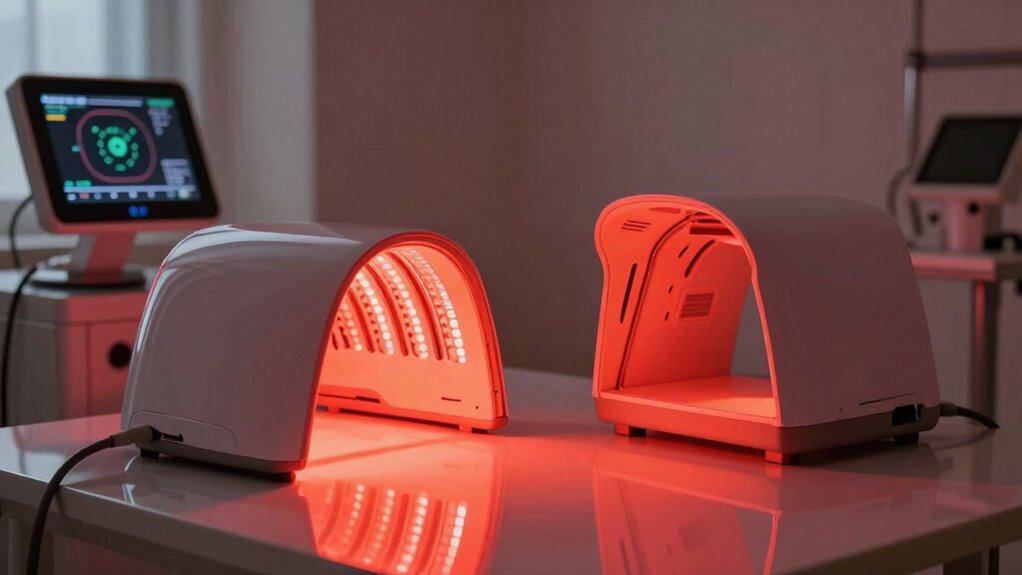

Red light therapy uses specific wavelengths to heal and rejuvenate your skin and body. Shorter wavelengths (630-680 nm) boost collagen and improve surface skin issues, while longer wavelengths (800-900 nm) penetrate deeper to reduce inflammation and pain, aiding recovery. Choosing the right wavelength can enhance your results, tailoring the therapy to your needs. With proper expectations and device selection, you can achieve remarkable benefits. You’ll want to explore more about how to maximize your experience.
Key Takeaways
- Red Light Therapy (RLT) uses specific wavelengths to target various skin and health concerns, promoting cellular rejuvenation and healing.
- Shorter wavelengths (630-680 nm) enhance collagen production and improve surface-level skin issues like acne.
- Longer wavelengths (800-900 nm) penetrate deeper, aiding in inflammation reduction and pain relief for conditions like joint pain.
- Device selection should prioritize quality, safety features, and user reviews to ensure effective treatment.
- Individual responses to RLT vary, and consistent sessions are essential for achieving desired results over time.
As an affiliate, we earn on qualifying purchases.
What Is Red Light Therapy and How Does It Work?
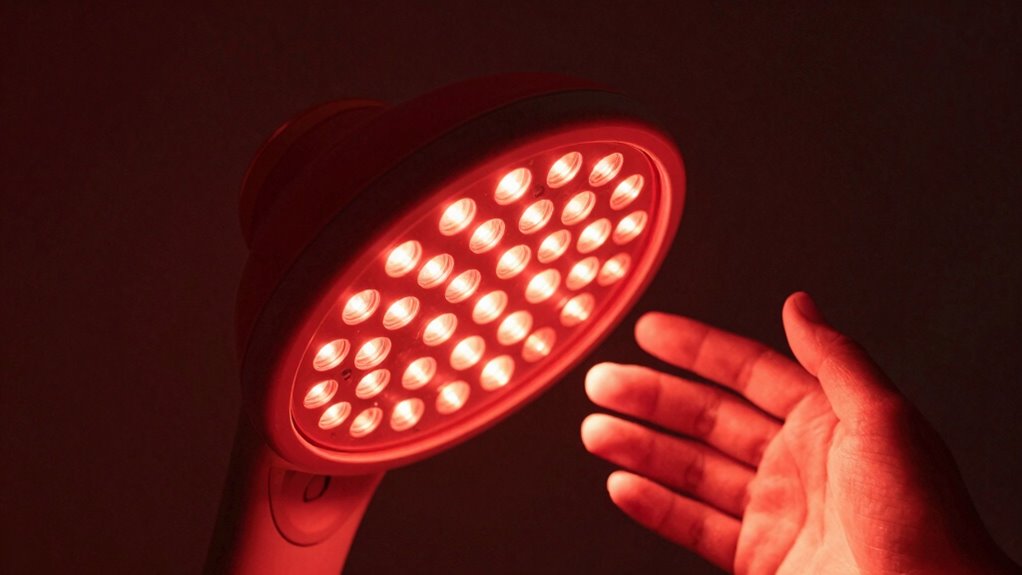
Red light therapy (RLT) harnesses specific wavelengths of light to promote healing and rejuvenation in your body. By targeting your skin and tissues, it stimulates cellular rejuvenation, allowing your cells to absorb light more effectively. This absorption triggers various biological processes, including increased energy production and enhanced circulation. As your cells absorb the light, they work harder to repair themselves, leading to improved skin texture, reduced inflammation, and faster healing of injuries. You might notice benefits like reduced wrinkles or acne scars over time. Overall, RLT offers a non-invasive way to support your body’s natural healing mechanisms, making it a popular choice for those seeking rejuvenation and wellness without the need for invasive treatments.
Why Wavelengths in Red Light Therapy Matter?
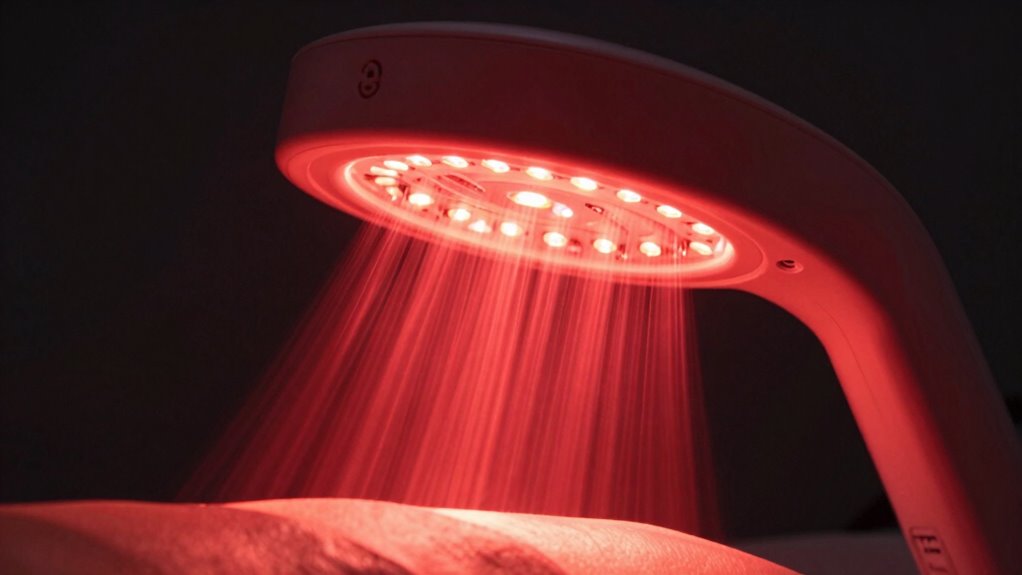
The effectiveness of red light therapy hinges on the specific wavelengths of light used during treatment. Understanding wavelength significance is essential because different wavelengths penetrate the skin at varying depths and target specific issues within the therapeutic spectrum. Here’s why it matters:
The effectiveness of red light therapy relies on specific wavelengths that penetrate skin differently, targeting various therapeutic issues.
- Cellular Energy: Certain wavelengths stimulate ATP production, enhancing cellular function.
- Inflammation Reduction: Some wavelengths effectively reduce inflammation, promoting healing.
- Skin Health: Specific wavelengths improve collagen production, benefiting skin elasticity.
- Pain Relief: Certain ranges are more effective at alleviating pain and promoting recovery.
The Benefits of Different Wavelengths in Therapy
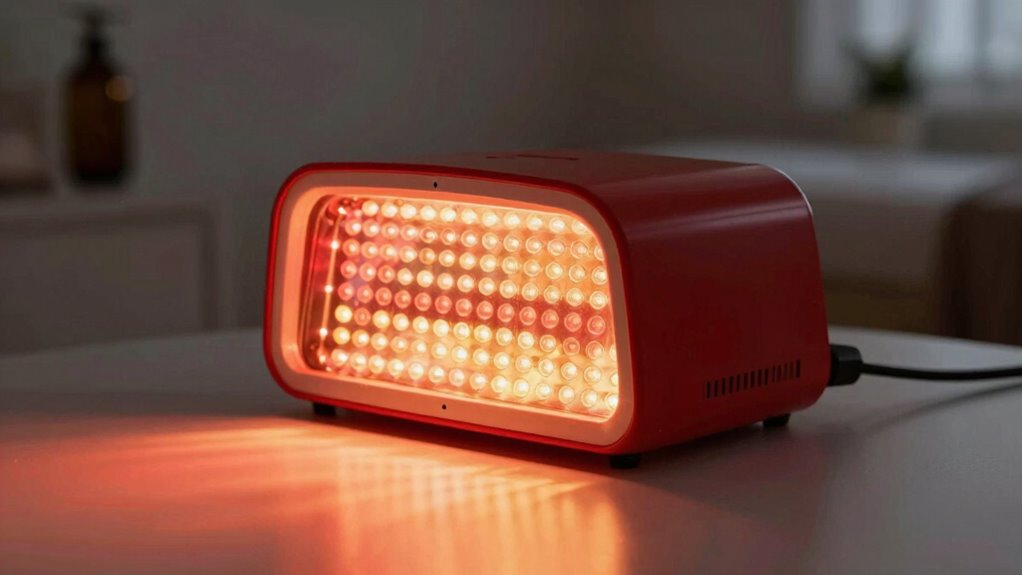
Many people discover that different wavelengths in red light therapy offer unique benefits tailored to specific health concerns. For instance, shorter wavelengths, like 630-680 nm, are known for boosting collagen production, making them great for skin rejuvenation. On the other hand, longer wavelengths, such as 800-900 nm, penetrate deeper into tissues, promoting healing frequency and reducing inflammation. This means if you’re aiming for surface-level benefits like acne treatment, you might choose a shorter wavelength. However, if you’re addressing deeper issues like joint pain, a longer wavelength could be more effective. By understanding these wavelength benefits, you can select the right therapy for your personal health goals and enhance your overall well-being.
Common Wavelengths in Red Light Therapy and Their Uses
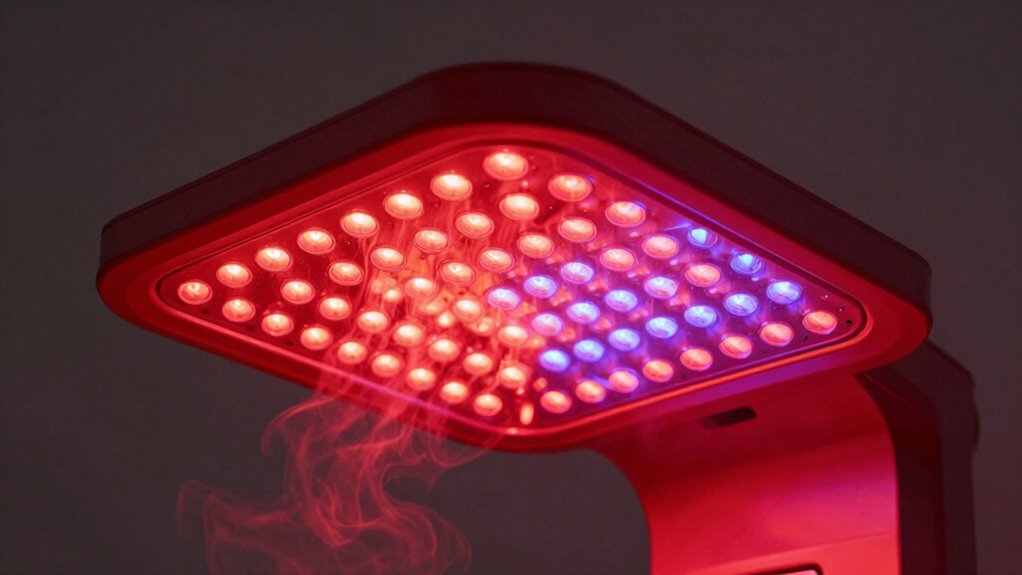
When you explore red light therapy, you’ll encounter various wavelengths, each with unique healing properties. Understanding these ideal wavelengths can help you target specific issues more effectively. Let’s look at how different wavelengths serve distinct therapeutic purposes.
Optimal Wavelengths for Healing
Ideal wavelengths in red light therapy typically range from 600 to 900 nanometers, each serving distinct healing purposes. Understanding these wavelength effects can enhance your experience and results.
- 600-650 nm: Excellent for skin penetration and promoting energy production in cells, aiding in tissue repair.
- 650-700 nm: Targets inflammation reduction and enhances cellular response, making it effective for pain relief.
- 700-800 nm: Reaches deeper tissues, optimizing therapeutic depth for more significant healing mechanisms.
- 800-900 nm: Focuses on stimulating deeper cellular processes, enhancing overall recovery and wellbeing.
Specific Uses by Wavelength
Red light therapy features several specific wavelengths, each tailored for unique applications. For instance, wavelengths around 630-670 nm are often used for skin rejuvenation due to their effective light absorption and therapeutic ranges. In contrast, 810-850 nm wavelengths target deeper tissues, making them ideal for pain relief and inflammation reduction. Clinical studies highlight the importance of wavelength specificity in achieving treatment precision. Wavelength modulation allows practitioners to customize treatments based on individual needs, enhancing targeted applications. By understanding the color spectrum and how different wavelengths interact with your body, you can maximize the benefits of red light therapy for various conditions. Whether you’re focusing on skin health or pain management, choosing the right wavelength is key to successful outcomes.
Choosing the Right Device for Your Needs
Choosing the right device for your needs can feel overwhelming, especially with the variety of options available. To make an informed decision, consider the following:
Selecting the ideal device can be daunting due to the vast choices; careful consideration is key for an informed decision.
- Device types: Look for handheld, panel, or full-body devices based on your treatment goals.
- User reviews: Check what others are saying about their experiences to gauge effectiveness.
- Cost considerations: Set a budget and compare prices, but remember that quality can impact results.
- Safety features: Confirm the device has built-in safety measures to protect your skin.
Don’t forget to explore brand comparisons and clinical studies that back the claims of different devices. This will help you choose one that meets your specific needs while confirming you’re making a wise investment.
Expectations for Red Light Therapy
When you start red light therapy, it’s essential to understand your treatment goals. Realistic timeframes for results can vary, so patience is key. Keep in mind that everyone responds differently, so your experience might not match someone else’s.
Understanding Treatment Goals
Achieving ideal results with red light therapy hinges on clear treatment goals and realistic expectations. To enhance your therapy objectives, consider the following:
- Define your desired outcomes to tailor your healing focus.
- Create personalized plans that align with your specific needs.
- Maintain patient motivation through consistent efficacy assessments.
- Implement outcome tracking to measure progress effectively.
Realistic Timeframes For Results
While individual responses to red light therapy can vary, understanding realistic timeframes for results is essential for effective treatment. Typically, you might start noticing improvements within a few weeks, but significant changes often require consistent sessions over several months. For instance, if you’re targeting skin issues, expect to see gradual enhancements in texture and tone after about four to six weeks of regular use. For muscle recovery or pain relief, you may feel benefits sooner, often within a couple of sessions. Remember, treatment duration and frequency play vital roles in achieving realistic outcomes. Staying committed to your regimen will maximize your chances of seeing the results you want, so patience is key.
Individual Response Variability
Results from red light therapy can differ markedly from person to person due to various factors. Understanding these individual factors can help set realistic expectations for your treatment.
Consider these influences on your skin response:
- Metabolic differences: Your body’s metabolism can affect how effectively red light therapy works.
- Age effects: Older individuals may respond differently compared to younger ones.
- Health conditions: Existing medical issues can impact treatment variability.
- Lifestyle influences: Diet, exercise, and stress levels can alter your results.
Being aware of your genetic predisposition and how these elements interplay can help you gauge what to expect from red light therapy. Additionally, individual response variability can be influenced by wavelength-specific effects, which means different wavelengths may produce different results for each person. Remember, patience and consistency are key to achieving the best results tailored to your unique needs.
Common Misconceptions About Red Light Therapy
Many people misunderstand red light therapy, thinking it’s just a trendy fad without real benefits. This misconception often stems from overhyped benefits and marketing tactics that exaggerate its applications. While some therapeutic myths circulate, it’s essential to separate anecdotal evidence from scientifically backed claims. You might encounter effectiveness debates fueled by scientific skepticism, making it hard to discern what’s true. Safety concerns also arise, yet most studies indicate that red light therapy is generally safe when used correctly. Don’t let the misunderstandings sway you; understanding the real science can help you appreciate its true potential. By cutting through the noise, you can make informed choices about incorporating red light therapy into your wellness routine.
Case Studies: Success With Red Light Therapy
Scientific skepticism can cloud the perception of red light therapy, but real-world success stories highlight its effectiveness. You’ll find numerous documented cases and patient testimonials that showcase impressive healing outcomes. Here are some notable aspects:
- Real life experiences reveal how individuals have alleviated chronic pain.
- Clinical observations support the therapy’s role in improving skin conditions like acne and eczema.
- Treatment comparisons show red light therapy outperforming traditional methods in certain cases.
- Patient testimonials often emphasize quicker recovery times and enhanced well-being.
- Additionally, research on mind-body healing suggests that combining therapies can amplify overall health benefits. This aligns with understanding psychological factors that influence recovery and treatment perceptions.
These examples illustrate that, while skepticism exists, the positive outcomes from red light therapy are backed by evidence and personal stories, making it a compelling option for various health concerns.
Frequently Asked Questions
Is Red Light Therapy Safe for Everyone?
Yes, red light therapy’s generally safe for everyone, but there are some contraindications to take into account. It can help with various skin conditions and offers multiple health benefits, like reducing inflammation and promoting healing. However, if you’re pregnant, have photosensitivity, or certain medical conditions, you should consult a healthcare provider before starting treatment. Always explore your options and verify it’s the right choice for your situation.
How Often Should I Use Red Light Therapy?
For ideal results, you should use red light therapy two to three times a week. Each session typically lasts about 10 to 20 minutes. Keep in mind that treatment frequency can vary based on your specific goals and skin type. It’s important to listen to your body and adjust accordingly. If you’re unsure, consider consulting a professional to tailor the ideal duration and frequency for your needs.
Can I Use Red Light Therapy With Other Treatments?
Yes, you can use red light therapy with other treatments. Many find that combining therapies enhances treatment synergy, boosting overall effectiveness. Whether you’re using it alongside topical treatments, physical therapy, or other modalities, just make sure to consult your healthcare provider first. They’ll help you determine the best approach for your specific needs, ensuring you maximize benefits while minimizing any potential risks. It’s all about finding what works best for you!
What Side Effects Might Occur With Red Light Therapy?
Oh sure, you might think bathing in red light is like a spa day, but watch out! You could experience skin reactions, like redness or irritation, especially if your treatment duration goes a bit too long. It’s not a magical cure-all; it’s still therapy. So, keep an eye on your skin and adjust your sessions if you start to feel like a lobster. Enjoy the glow, but don’t overdo it!
How Long Does It Take to See Results?
You’ll typically start seeing results from red light therapy within a few weeks, but the exact timeline varies based on individual factors like your skin type and the specific condition you’re treating. Some people notice improvements sooner, while others may take longer. Consistency is key, so sticking to your treatment schedule can greatly impact your results. Keep in mind that patience and regular use are essential for ideal outcomes.
Conclusion
To sum up, red light therapy offers a range of benefits, but understanding the wavelengths is key to maximizing its effects. So, why settle for anything less than the right wavelength for your needs? Whether you’re looking to enhance skin health or speed up recovery, choosing the correct device can make all the difference. As you explore this therapy, keep your goals in mind and remember that informed choices lead to better results.