TL;DR

Get decor and gifts delivered free with Prime
- Fast, free delivery on millions of items
- Prime Video, Amazon Music and more included
- Member-only deals all year
Designers are bringing the listening-room idea into homes, taking cues from Japan’s jazz kissa cafés and music-focused nightlife venues. The spaces center on attentive listening, comfortable seating and a calm atmosphere; designers say a dedicated room is not necessary.
Designers are adapting music-focused listening rooms for homes, bringing an idea associated with Japan’s jazz kissa cafés and newer nightlife venues into living rooms, dens and other residential spaces. The rooms are designed to make listening feel like an activity in its own right, with comfortable seating, carefully arranged audio equipment and a relaxed atmosphere, according to a report by House Beautiful.
The concept differs from a conventional television-centered media room. Rather than making a screen the focus, a listening room encourages people to sit down and pay attention to music. Designers describe the aim as creating a place for pause and concentration, not simply adding speakers to a room used for other activities.
House Beautiful’s report links the residential trend to music venues that put sound quality, atmosphere and curation ahead of a crowded dance floor. It also points to the influence of Japan’s jazz kissa cafés, where people historically gathered to listen to vinyl. The report does not provide market data or figures showing how widely listening rooms are being installed.
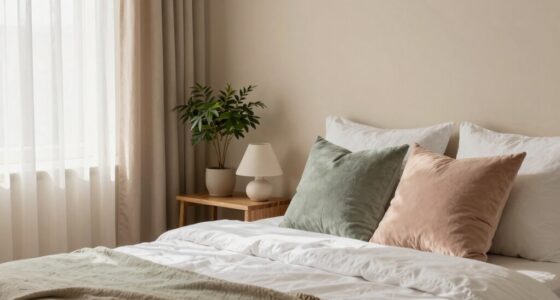
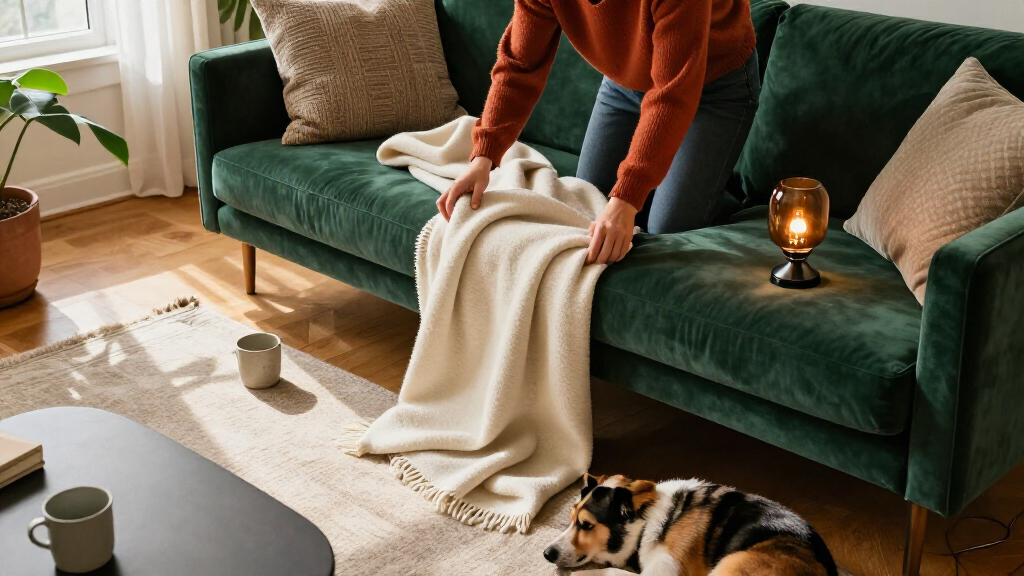
Designers interviewed for the report recommend combining functional audio equipment with materials and lighting that make a space inviting. Rugs, upholstered furniture, wood and other textiles can add warmth and help soften a room, while warm, indirect lighting can make it feel more intimate. The central practical advice is to arrange seating and speakers with listening in mind rather than treating the equipment as background decoration.
A Screen-Free Space for Listening
The appeal, as designers describe it, is a shift in how some homeowners use space: a room or corner can be organized around one deliberate activity instead of multiple screens and distractions. Adam Goldstein of Studio Collective told House Beautiful that listening to a full album offers a respite from endless digital choice. That is a designer’s explanation for the trend, not evidence that all homeowners are changing their habits.
The idea may also be accessible to people without a spare room. Designers say a living-room corner or den can serve the same purpose when its seating and speakers are arranged for listening. That makes the trend less about building a specialized entertainment suite and more about making an existing space feel comfortable and focused.
As an affiliate, we earn on qualifying purchases.
From Jazz Cafés to Home Interiors
The report traces the concept to Japan’s jazz kissa cafés, gathering places historically associated with listening to vinyl. It also describes music-first nightlife venues that prioritize sound and atmosphere, with seating designed for listening rather than dancing. Designers see a connection between those settings and residential rooms where people can slow down and focus on music.
The source presents the development as a trend appearing on designers’ mood boards, but supplies no timeline, survey, sales figures or independent measure of its growth. Its account is based on interviews with designers, including Adam Goldstein, Sebastian Salvadó of RIOS, Joelle Kutner and Jesse Rudolph of Ome Dezin, and Christian Schulz of Studio Collective.
““In an age where every song ever recorded is at our fingertips and we can choose from a never-ending selection of playlists, the idea of listening to an album all the way through, the way the artist actually intended for us to hear it, is a welcome respite.””
— Adam Goldstein, designer at Studio Collective
How Widespread Is the Trend?
The report offers designers’ observations, but it does not quantify how many homeowners are creating listening rooms or establish that the trend is growing across the housing or interior-design market. It also provides no comparison with previous years. The claim that the idea is “on the rise” should therefore be understood as a description from the report, not a measured industry finding.
There is no single prescribed design or equipment standard in the source. Advice on speakers, materials and layout is presented as guidance from individual designers, and the report does not specify room dimensions, acoustic measurements or price ranges. How much improvement a particular setup would make to sound depends on the room and equipment.
Start With Seating and Sound
The source describes no upcoming launch, event or formal industry milestone. For homeowners interested in the approach, the next step is practical: identify a room or corner, choose comfortable seating and place the audio equipment so it is centered for listening. Sebastian Salvadó advises starting with furniture and stereo equipment, while Joelle Kutner recommends tactile materials such as wool, velvet, wood or cork.
Designers also suggest keeping the layout simple and using rugs, textiles and warm lighting to support a calmer mood. Whether this becomes a lasting residential-design trend remains unclear; the supplied report gives no follow-up data or broader market evidence.
Key Questions
What is a listening room?
A listening room is a space arranged to help people focus on music, with seating and audio equipment positioned for attentive listening rather than screen viewing.
Do you need a separate room?
No. Designers interviewed by House Beautiful say a corner of a living room or den can work if it is arranged intentionally for listening.
What design elements do designers recommend?
The report points to comfortable upholstered seating, rugs, textiles, wood and warm indirect lighting. Designers say these materials can add texture and soften the room visually and acoustically.
Is there evidence that listening rooms are becoming more popular?
The report says the concept is appearing on designers’ mood boards, but it gives no survey, market figures or year-over-year comparison to measure how widespread the trend is.
Source: rss
Columbus Day / Indigenous Peoples' Day Picks
long weekend sales
As an affiliate, we earn on qualifying purchases.