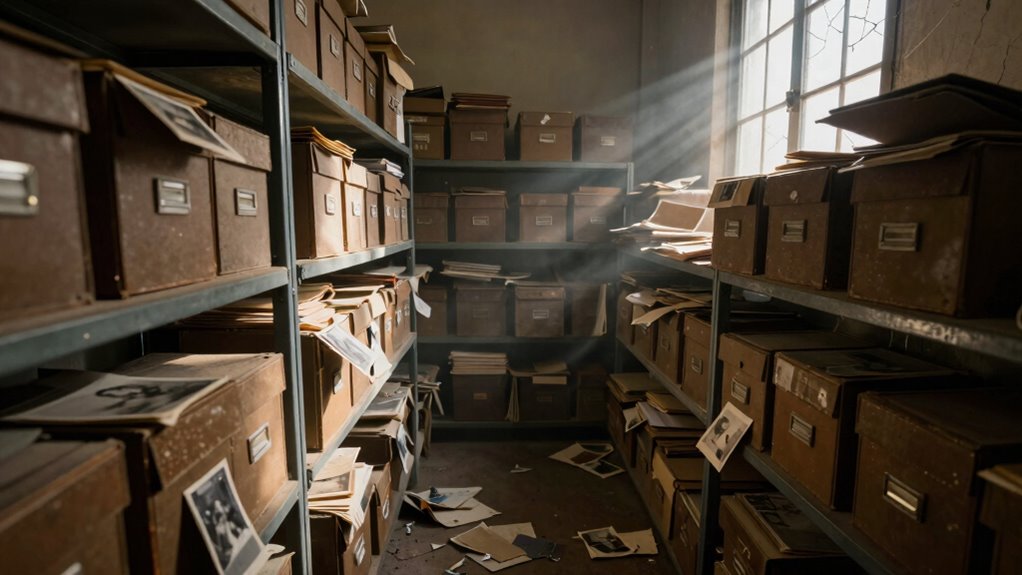

If you don’t control the environment where you store your photos, you risk accelerating deterioration. Fluctuating temperatures and humidity, especially in basements or attics, cause damage and color fading. Avoid plastic containers that aren’t UV resistant and choose acid-free, lignin-free storage options for better preservation. Regularly monitoring conditions and handling photos carefully can make a big difference. Keep your photos safe by learning more about the key mistakes that shorten their lifespan.

Get decor and gifts delivered free with Prime
- Fast, free delivery on millions of items
- Prime Video, Amazon Music and more included
- Member-only deals all year
Key Takeaways
- Fluctuating temperatures and humidity accelerate photo deterioration, so maintaining a consistent climate is essential.
- Storing photos in basements or attics exposes them to harmful temperature swings and moisture.
- Using non-archival, acid-containing materials can cause chemical reactions that shorten photo lifespan.
- Inadequate light protection leads to fading and color loss, reducing photo longevity.
- Poor environmental monitoring prevents early detection of conditions that can damage photos over time.
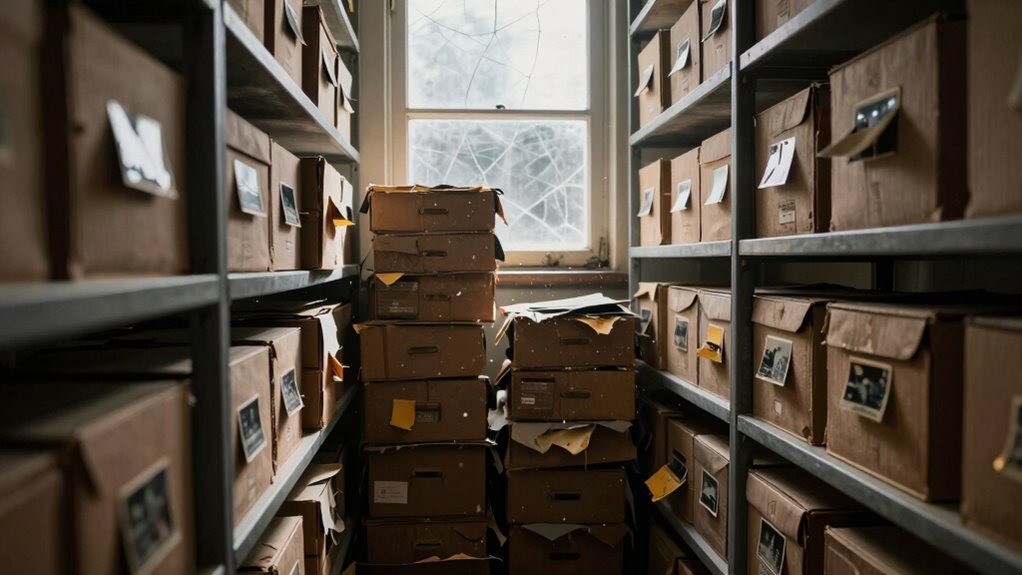
Have you ever wondered how to keep your precious photos safe for years to come? If so, understanding the importance of proper archival photo storage is essential. Many people underestimate how environmental factors can rapidly deteriorate their treasured images. One of the biggest mistakes you can make is neglecting climate control. Temperature and humidity levels need to be carefully managed to prevent photos from fading, warping, or developing mold. Fluctuations in these conditions accelerate deterioration, so consistent climate control is necessary. Ideally, you want a storage environment kept steady—around 65-70°F with relative humidity between 30-40%. Avoid basements and attics, which are prone to extreme temperature swings and moisture, and opt for a climate-controlled room or specialized storage units. Ensuring proper storage materials significantly extends the lifespan of your photos and protects them from environmental damage. Additionally, investing in acid-free, lignin-free storage options can further prevent chemical reactions that cause aging and discoloration over time. Regularly monitoring your storage environment and climate conditions can help prevent unnoticed damage before it becomes irreversible. Incorporating proper handling techniques is also crucial to avoid physical damage during access or rearrangement. Using sturdy, archival-quality storage containers can also help shield photos from dust and physical wear. Digital preservation plays a key role in modern photo archiving, but it isn’t a substitute for good physical storage. Digital files can be lost to hardware failure, corruption, or obsolescence, so it’s important to create multiple backups and store them in different locations. Still, physical photos require careful handling and proper storage conditions to last. When digitizing your photos, choose high-resolution scans and store copies in secure, organized digital archives. This process not only preserves the images but also offers a safeguard against physical damage. However, remember that digital preservation complements physical storage, not replaces it. You still need to protect original prints from environmental harm.
In addition to climate control, the materials you use for storage matter greatly. Acid-free, lignin-free albums, sleeves, and boxes prevent chemical reactions that cause paper to yellow and photos to fade over time. Avoid plastic containers that aren’t UV resistant or contain harmful chemicals, as they can accelerate deterioration. Regularly inspecting your storage environment and your photos can catch issues early before irreversible damage. Keeping your photos in a dark, stable environment minimizes exposure to light, which is another factor that speeds up fading and color loss.
Products Worth Considering
Dyson Car+Boat Cordless Handheld Vacuum

Samsung 48-Inch S90H OLED 4K Smart TV (2026)

Dyson Ball Animal 3 Extra Upright Vacuum
As an affiliate, we earn on qualifying purchases.
Frequently Asked Questions
How Do Temperature Fluctuations Affect Archival Photo Longevity?
Temperature fluctuations can damage your archival photos by causing expansion and contraction of the materials, which weakens the paper and emulsion. To protect your collection, you should maintain consistent temperature levels and prioritize humidity control. Avoid excessive light exposure, as it accelerates deterioration. Keep storage environments stable, cool, and dark to guarantee your photos last longer and retain their quality over time.
What Materials Are Best for Long-Term Photo Storage?
You should store your photos in materials like acid-free paper and archival quality sleeves. Acid-free paper prevents chemical reactions that can cause deterioration, while archival quality sleeves protect against dust, moisture, and handling damage. These materials are designed to last long-term, helping preserve your photos’ integrity. By choosing the right storage materials, you guarantee your images stay vibrant and intact for generations to come.
Can Digital Backups Replace Physical Archival Storage?
While digital conversion and cloud storage offer convenience, they shouldn’t fully substitute physical archival storage. Digital backups are susceptible to data corruption, obsolescence, and loss, which can be like a fleeting whisper of the past. Physical storage, when managed properly, provides a tangible safeguard that digital alone can’t replicate. Combining both strategies ensures your cherished memories are preserved, resilient against the silent erosion of time and technology’s inevitable change.
How Often Should Archival Photos Be Inspected or Maintained?
You should inspect and maintain your archival photos annually. During these checks, you’ll want to review the condition of the storage containers, ensuring they remain sealed and free from damage or pests. Incorporate photo digitization during these inspections to preserve your images digitally. Regular maintenance helps catch deterioration early, preserving your collection’s longevity. Proper storage containers and consistent care are key to extending the lifespan of your valuable photographs.
What Environmental Factors Accelerate Photo Deterioration?
Did you know that light exposure and chemical reactions can cause up to 70% of photo deterioration? You need to keep these factors in check. Bright light, especially UV rays, accelerates fading and damage. Chemical reactions from pollutants or improper handling also breakdown photos over time. To preserve your images, store them in a cool, dark, and stable environment, minimizing light exposure and controlling chemical interactions.
Conclusion
If you ignore proper archival techniques, your precious memories risk fading away like shadows at dusk. Think of your photos as fragile treasures that need careful nurturing—otherwise, environmental mistakes will chip away at their lifespan, turning vivid moments into distant echoes. By taking simple steps now, you’ll guarantee your images stand the test of time, anchoring your history in a safe harbor rather than letting it drift away on the tide of neglect. Protect your memories before they slip through your fingers.