
When choosing materials for laser engraving, stick to acrylic, glass, stainless steel, and softwoods for the best results. Avoid metals like aluminum alloys and copper, as they can lead to inconsistent outcomes. For plastics, acrylic and polycarbonate work well, but steer clear of PVC and vinyl due to harmful fumes. Keep your workspace safe with proper ventilation and maintenance for your engraver. There’s much more to learn about achieving perfect engravings and ensuring safety in your projects.

Get decor and gifts delivered free with Prime
- Fast, free delivery on millions of items
- Prime Video, Amazon Music and more included
- Member-only deals all year
Key Takeaways
- Acrylic and stainless steel are top choices for laser engraving due to their vibrant results and durability, respectively.
- Avoid metals like aluminum alloys and copper, as they yield inconsistent results or lack detail.
- PVC and vinyl should be avoided due to toxic fumes when burned, posing safety hazards.
- Regular maintenance of the laser engraver is essential for optimal performance and safety in the workspace.
- Experimenting with different materials can lead to unique outcomes, but always ensure proper ventilation and safety measures.
As an affiliate, we earn on qualifying purchases.
Top Materials for Laser Engraving: What You Need to Know

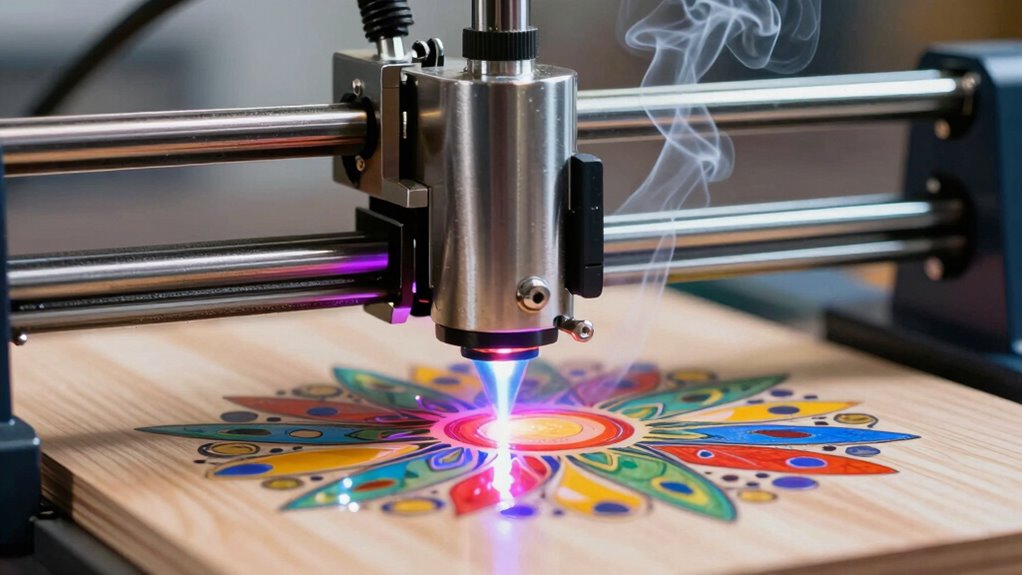
What materials work best for laser engraving? When you’re diving into laser engraving, consider materials like acrylic, glass, and certain metals. Acrylic offers vibrant colors and sharp detail, making it a favorite for many projects. Glass can create stunning results, especially with the right laser engraving techniques, while metals like stainless steel allow for durable, long-lasting engravings.
Remember to adjust your settings for each material to achieve the best results. For more intricate designs, use engraving design tips such as contrast and scale to enhance visibility. Each material has unique properties, so experimenting can lead to impressive outcomes. Don’t shy away from trying new combinations to discover what truly resonates with your creative vision!
Best Wood Types for Laser Engraving
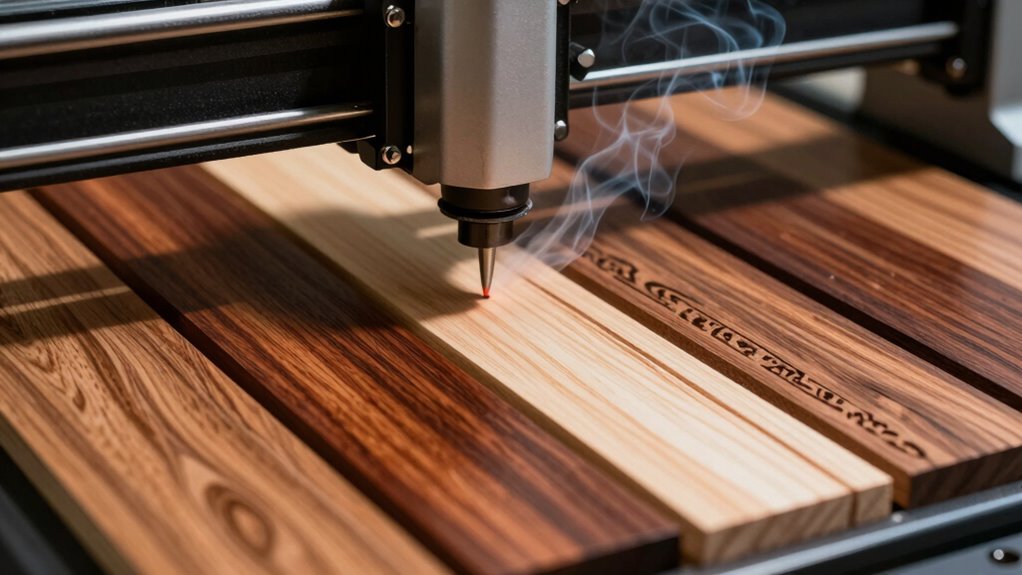
When choosing wood for laser engraving, you’ll want to contemplate whether softwoods or hardwoods are the best fit for your project. Each type offers unique characteristics that can affect the engraving quality and depth. Don’t forget to think about the ideal thickness of the wood, as this can impact your results too.
Softwoods vs. Hardwoods
While both softwoods and hardwoods have their unique advantages, choosing the right type of wood for laser engraving can greatly impact your project’s outcome. Softwood characteristics, like a lower density and lighter weight, make these woods easier to cut and engrave. They often produce clean engravings and are generally more affordable. However, hardwood advantages, such as durability and a finer grain, provide a more polished finish for intricate designs. Hardwoods can be more challenging to work with, but their strength makes them ideal for items that need longevity. Consider your project’s requirements and budget when selecting between softwood and hardwood to guarantee the best results for your laser engraving endeavors. Additionally, understanding the contrast ratio of your materials can help you achieve better visual effects in your finished pieces. Knowing the types of wood suitable for laser engraving can help you select materials that produce consistent and high-quality results. Being aware of the wood grain can also influence how well an engraved design appears, especially on hardwoods.
Ideal Thickness Considerations
Choosing the right thickness for your wood can greatly affect the quality of your laser engraving. A good thickness guide suggests that 1/8 inch to 1/4 inch is ideal for most projects. Thinner materials might not hold intricate details well, while thicker woods can lead to uneven engraving depth. Additionally, considering the material’s physical properties helps ensure a smoother engraving process and better results. For best results, you’ll want to balance the thickness with the type of wood you’re using. Softer woods, like pine, engrave well at 1/8 inch, while hardwoods, like oak, perform better at 1/4 inch or more. Always test your settings on scrap pieces to find the perfect thickness for your design. Remember, the right thickness can enhance your engraving’s clarity and overall aesthetic. Properly managing pressure and laser settings can further improve the quality of your engraved projects. Understanding the material’s density can also help you predict how it will respond during engraving. Being aware of the material’s response to laser heat can help prevent issues like burning or smoking. Additionally, paying attention to ventilation and airflow can significantly reduce smoke and fumes during the engraving process, ensuring a safer workspace.
Best Metals for Laser Engraving
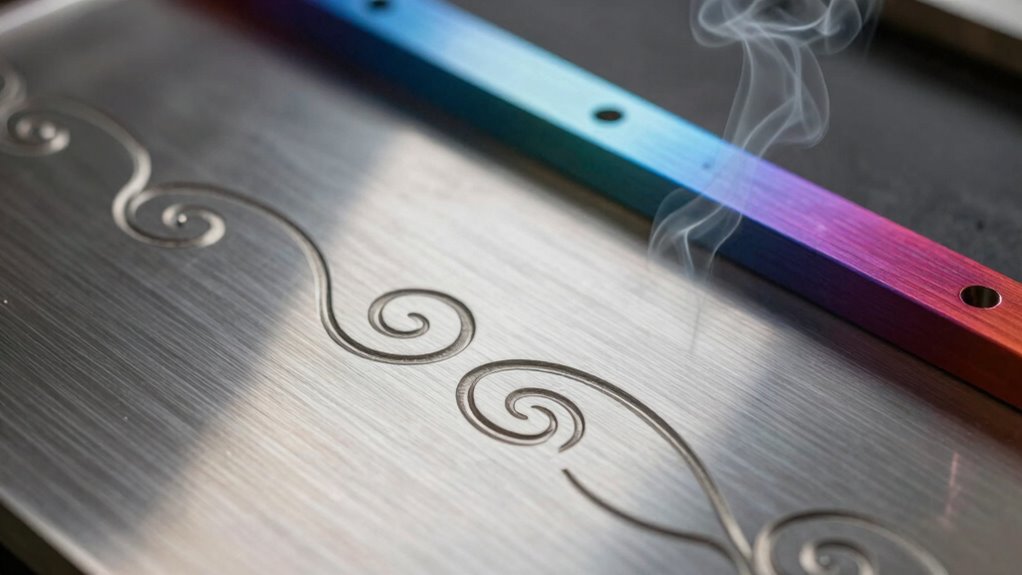
When it comes to laser engraving, not all metals are created equal. You’ll want to focus on ideal options that give you crisp, clear results while avoiding those that can be challenging or even damaging to your equipment. Let’s explore the best metals for engraving and which ones to steer clear of.
Ideal Metals For Engraving
Laser engraving isn’t just for any metal; certain materials shine brighter than others in this process. If you’re considering aluminum engraving or working with stainless steel, you’re on the right track. These metals not only offer durability but also provide excellent results.
Here’s a quick overview of ideal metals for engraving:
| Metal Type | Benefits |
|---|---|
| Aluminum | Lightweight, corrosion-resistant, and engraves easily. |
| Stainless Steel | Strong, durable, and offers a sleek finish. |
| Brass | Engraves beautifully, providing a striking contrast. |
Choosing the right metal can elevate your project, ensuring clean lines and vibrant details. Additionally, selecting materials with better performance fluids can help optimize your engraving process and extend equipment lifespan. Using appropriate studio gear can also improve the quality of your engravings and protect your tools. Incorporating proper material selection is essential for achieving precise and professional results. Paying attention to material compatibility can further improve overall engraving quality. Being mindful of metal properties can help you select the most suitable materials for your specific application.
Metals To Avoid Engraving
While some metals are ideal for laser engraving, others can lead to disappointing results. You should steer clear of aluminum alloys, as they often produce inconsistent engraving depths and can be tricky to work with. The issue lies in their reflective surfaces, which can scatter the laser beam, resulting in poor quality. Likewise, copper metals aren’t the best choice either. Their high thermal conductivity can cause the heat from the laser to dissipate too quickly, leading to a lack of detail in your designs. To get the best results, stick to metals like stainless steel or brass, which provide more reliable engraving outcomes. Knowing which metals to avoid can save you time and frustration in your engraving projects.
Best Plastics for Laser Engraving: What to Consider
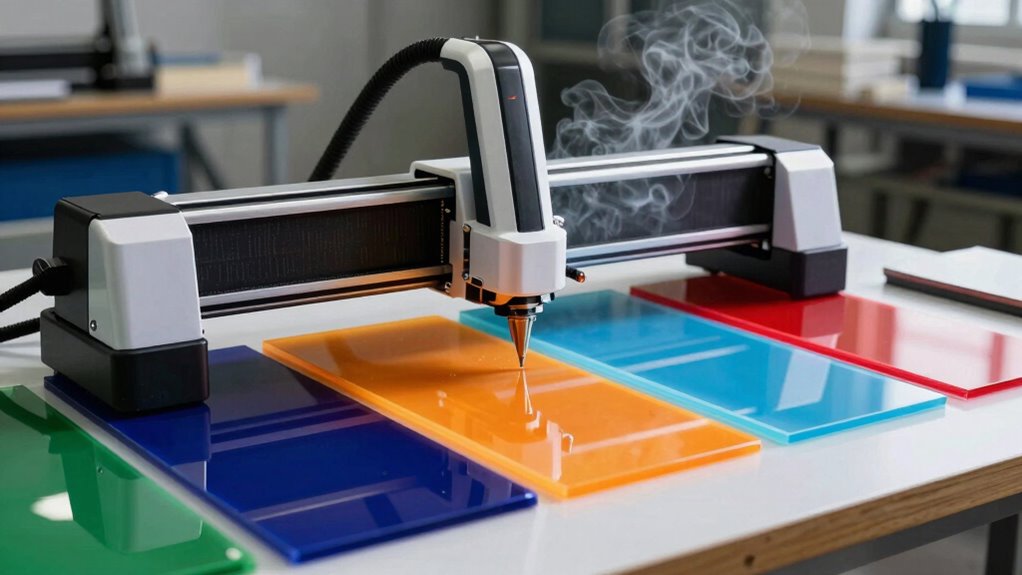
Choosing the right plastic for laser engraving can greatly impact your project’s outcome. Understanding plastic properties helps you select materials that yield the best results with various engraving techniques. Here are five plastics that work well for engraving:
Selecting the appropriate plastic for laser engraving is crucial for achieving optimal results in your projects.
- Acrylic: Offers clarity and vibrant color options.
- Polycarbonate: Known for its durability and resistance to impact.
- PVC: Affordable and versatile, but make sure to have proper ventilation as it can release harmful fumes.
- PETG: Easy to engrave with a smooth finish, great for detailed designs.
- Nylon: Excellent for functional parts but requires specific settings for best results.
Flawless Engraving on Glass and Ceramics
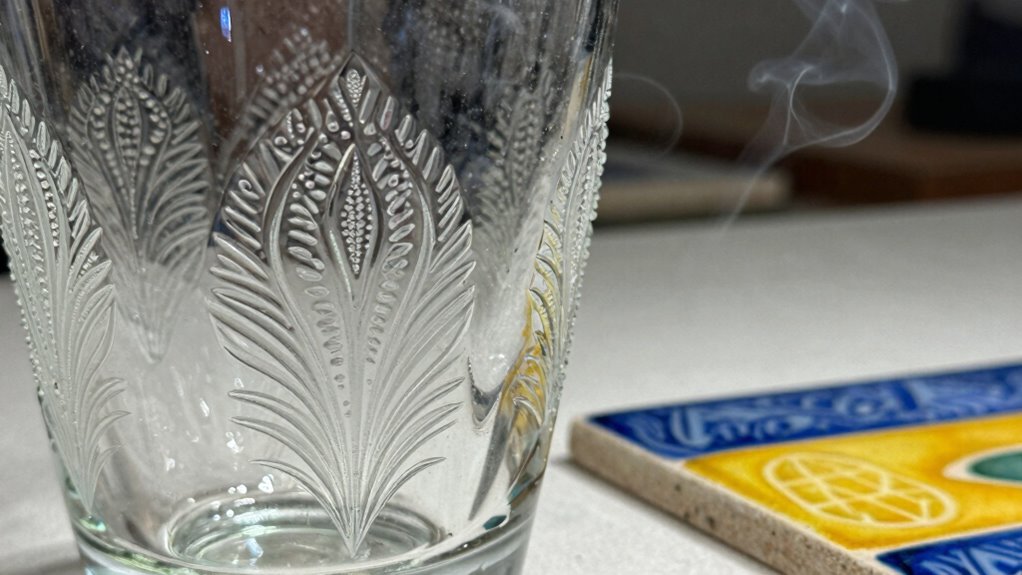
When it comes to engraving glass and ceramics, precision is key to achieving stunning results. Start with proper glass preparation and choose appropriate ceramic finishes to enhance your design. Consider engraving techniques that suit your material, keeping engraving depth and color contrast in mind. A clean surface is essential for optimal engraving, so incorporating effective cleaning methods can significantly improve your results. Here’s a quick reference table to guide you:
| Aspect | Tips |
|---|---|
| Glass Preparation | Clean thoroughly before use |
| Ceramic Finishes | Choose glossy for better contrast |
| Design Considerations | Opt for simple, bold designs |
| Tool Settings | Adjust for depth and speed |
Lastly, don’t forget post engraving care. Proper maintenance guarantees longevity and keeps your engravings looking fresh and vibrant.
What Materials to Avoid for Laser Engraving?
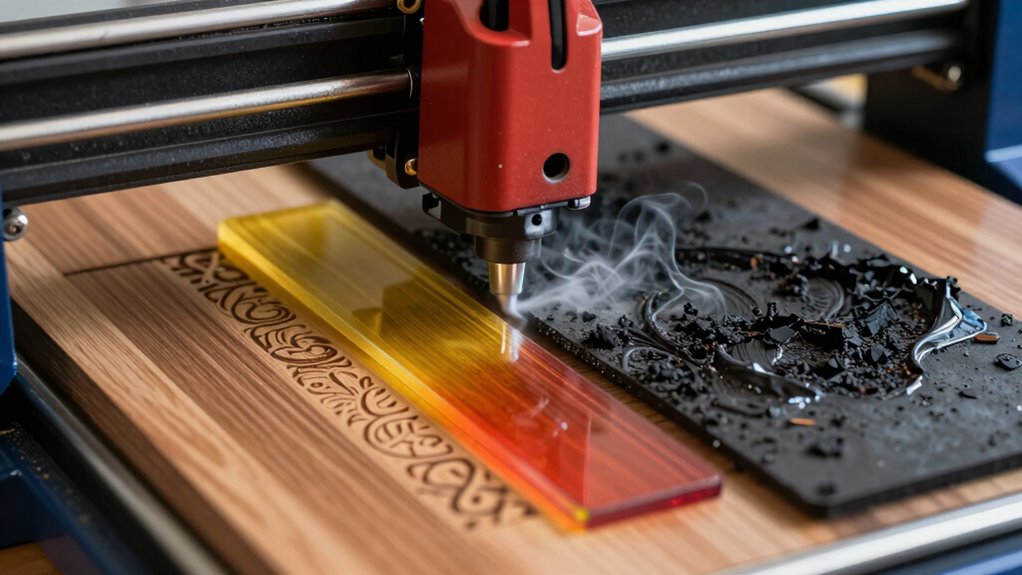
Achieving stunning engravings on glass and ceramics requires attention to detail, but not all materials are suitable for laser engraving. Some can release toxic fumes or pose fire hazards. To guarantee your projects are safe and successful, avoid these materials:
- PVC: Releases harmful chlorine gas when burned.
- Vinyl: Similar to PVC, it creates toxic fumes.
- Polycarbonate: Can ignite easily, posing fire hazards.
- Rubber: Emits noxious fumes and can damage your engraver.
- Certain types of glass: May crack or shatter under laser heat.
Steering clear of these materials helps you maintain a safe, efficient workspace while achieving beautiful engravings. Always prioritize safety to enjoy the full benefits of your laser engraver.
How to Keep Your Workspace Safe While Engraving

To guarantee a safe engraving environment, it’s important to prioritize safety measures right from the start. Confirm your workspace has proper ventilation; this helps dissipate harmful fumes and keeps the air clean while you work. A good exhaust system or a fume extractor can make a significant difference. Additionally, understanding everyday safety tips can help you stay alert to potential hazards even when working with familiar tools. Next, always keep fire safety in mind. Have a fire extinguisher nearby and know how to use it. Avoid clutter around your engraving area, as flammable materials can pose a significant risk. Regularly inspect your equipment for any signs of wear that could lead to fire hazards. Also, consider cable management practices to prevent heat buildup and avoid wiring issues that could increase fire risk. Proper extension cord standards are essential to safely power your tools and avoid electrical problems that could cause fires. Additionally, being aware of air quality considerations can help ensure your workspace remains safe by reducing exposure to harmful fumes and particles. Incorporating air filtration systems can further improve indoor air quality, especially when working with materials that produce microplastics or dust. By taking these precautions, you’ll create a safer workspace, allowing you to focus on your engraving projects with peace of mind.
Maintenance Tips for Your Laser Engraver

A safe workspace sets the stage for effective maintenance of your laser engraver. Regular laser engraver maintenance not only prolongs its lifespan but also guarantees peak performance. Here are some essential cleaning techniques to keep in mind:
- Clean the lens: Use a soft cloth and appropriate cleaner for the lens to guarantee clarity.
- Check mirrors: Inspect and clean mirrors regularly to maintain beam alignment.
- Vacuum the interior: Remove dust and debris from inside the machine to prevent overheating.
- Lubricate moving parts: Apply lubricant to rails and bearings to guarantee smooth operation.
- Inspect cables: Check for frayed wires and connections to prevent electrical issues.
Resources for Further Learning in Laser Engraving

How can you deepen your understanding of laser engraving beyond just hands-on practice? Exploring various resources can enhance your skills considerably. Look for online courses or tutorials focused on laser engraving techniques and engraving software options. Books and forums can also offer valuable insights. Networking with other enthusiasts at workshops or local maker spaces allows you to exchange ideas and learn from each other’s experiences. Incorporating chemical safety principles into your practice can also improve your approach to working with different materials. Additionally, understanding material compatibility can help prevent issues like smoking or damage during engraving. Studying vinyl cutter settings and how they relate to laser engraving outcomes can provide further technical knowledge.
Frequently Asked Questions
Can I Engrave Food Items With a Laser Engraver?
Yes, you can engrave food items with a laser engraver, but you need to take into account food safety. Use engraving techniques that avoid burning or producing harmful residues. Opt for items like fruits or vegetables that won’t release toxic fumes. Always verify your equipment is clean and free from contaminants. Remember, not all materials are safe for food; research thoroughly before you start to keep your creations both beautiful and safe for consumption.
How Do I Clean My Laser-Engraved Items?
To clean your laser-engraved items, start by checking material compatibility. For wood, a soft cloth with mild soap works wonders. Metal can often be wiped down with a microfiber cloth, while glass might need a dedicated glass cleaner. Avoid abrasive materials that could scratch your engravings. Using gentle cleaning techniques helps maintain the quality of your work without damaging it. Regular maintenance guarantees your items look great and stay vibrant!
What Safety Gear Should I Wear While Engraving?
When you’re engraving, you should wear protective equipment to meet safety standards. Start with safety goggles to shield your eyes from harmful rays and debris. A dust mask is essential to keep harmful particles out of your lungs. Wear gloves to protect your hands from sharp edges or hot materials. Finally, consider ear protection if your machine’s noise level is high. Prioritizing safety guarantees a smooth engraving experience without unnecessary risks.
How Long Does Laser Engraving Typically Take?
Laser engraving typically takes a few minutes to several hours, depending on engraving speed and material thickness. If you’re working with thinner materials, you’ll finish faster, while thicker materials can slow you down. You’ll want to reflect on the design’s complexity, too; intricate designs might require more time. So, whether you’re engraving wood, acrylic, or metal, keep these factors in mind to estimate how long your project will take.
Can I Use a Laser Engraver Outdoors?
Yes, you can use a laser engraver outdoors, but you’ll need a proper outdoor setup. Make certain you have a stable surface and protection from the elements. Keep in mind that laser visibility can be affected by sunlight, so it’s best to work in shaded areas or during overcast days. Always prioritize safety by using appropriate eyewear and making sure your workspace is clear of flammable materials. Enjoy your outdoor engraving!
Conclusion
As you begin your laser engraving journey, envision the smooth glide of the laser across rich wood grains, the gleam of polished metal, and the crisp detail on glass. With the right materials, you can create stunning works of art, but remember to steer clear of those that may produce harmful fumes. Keep your workspace safe and your engraver well-maintained, and you’ll access a world of creativity, transforming your visions into tangible masterpieces.
Halloween Picks
halloween
As an affiliate, we earn on qualifying purchases.