
TL;DR

Get decor and gifts delivered free with Prime
- Fast, free delivery on millions of items
- Prime Video, Amazon Music and more included
- Member-only deals all year
A Matter Alpha report describes replacing most of an apartment’s older Zigbee equipment with Matter devices during the first month in a new home. The writer says the setup works across lighting, controls and other categories, but Matter-exposed wall switches lack features available through other systems, and the report does not establish that every device or function is reliable.
A Matter Alpha writer says they spent the first month in a new apartment replacing most of their older Zigbee smart-home equipment with Matter-compatible devices, while finding that some controls still lose functions when used through the standard. The account offers a real-world snapshot of a growing cross-brand smart-home setup, but also describes limits that may matter to people considering a similar change.
The writer started with existing smart-home controllers and largely unchanged network credentials, turning the main controllers back on and clearing out many old device entries. They say several standalone bridges were no longer needed because they were using less Zigbee equipment. For some proprietary local-network devices, the report describes using software platforms including eWeLink Cube and Homey Self-Hosted Server to expose devices through Matter. The writer says this reduced physical hub clutter in their setup.
For new devices, the writer used Home Assistant as the primary controller, then shared selected devices with Apple Home for phone control. The report says Home Assistant Link, formerly called Home Assistant Cloud, handled connections to Google Home and Amazon Alexa. That arrangement reflects one household’s setup; it does not establish that every device or platform combination will behave the same way.
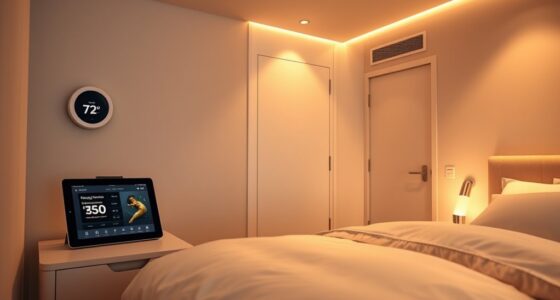
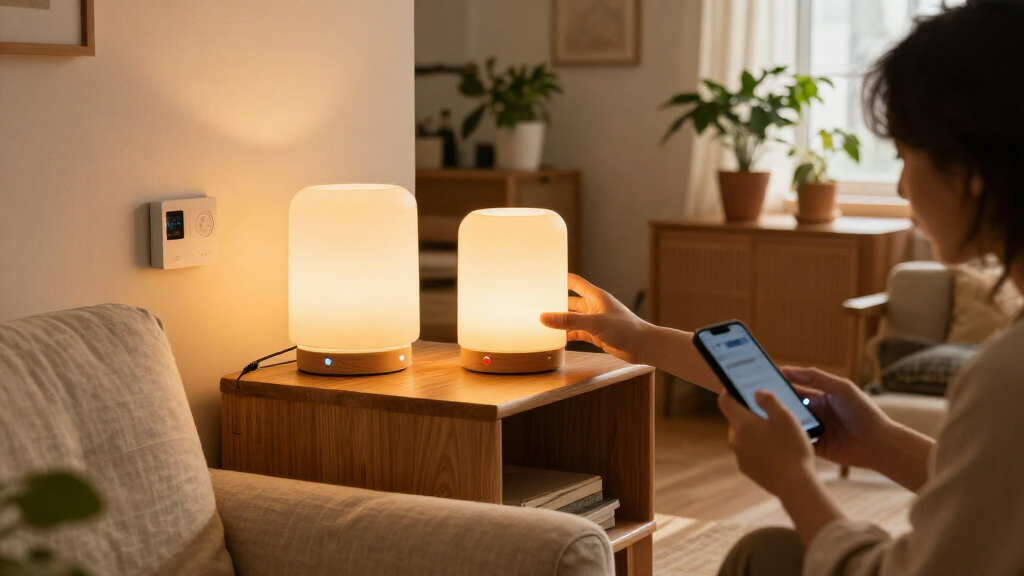
Lighting and wall controls came first. The writer installed about 10 Aqara H2 switches and dimmers using Thread to control fans, lights and ceiling fixtures. They also set up Govee and Nanoleaf ceiling lights, IKEA pendant lights and bulbs, a Dreame light strip, and lamps using bulbs from Aqara, Yeelight, AiDot and IKEA. The source account covers additional categories, including climate, sensors and power monitoring, but the supplied excerpt does not provide their detailed results.
Matter’s Promise Meets Switch Limits
The report matters because Matter is intended to make smart-home devices work across different brands and platforms, reducing the need for separate app and hub arrangements. The writer’s setup shows how a household can combine devices and controllers, while also showing that cross-platform compatibility does not automatically preserve every feature.
The clearest limitation described is in the wall switches. The writer says the Matter versions lack decoupled relay mode, which can let a physical switch control smart bulbs without cutting their power, and offer few dimmer configuration options when exposed through Matter. For residents choosing devices for existing wall boxes, the report also says the switches support neutral-free wiring, which the writer found useful for retrofitting. That benefit did not resolve the reported feature gaps.
These observations are a single user’s experience, not a controlled comparison or a finding about every Matter product. Still, they underline a practical point for buyers: checking a Matter label alone may not answer whether a particular automation, setting or manufacturer-specific feature will be available in the platform they plan to use.
Products Worth Considering

Philips Hue Bridge Pro Smart Lighting Hub

Philips Hue Festavia Globe Outdoor String Lights, 32 Bulbs, 91 ft

Philips Hue Large Smart Light Tube, Black – White and Color Ambiance LED Color-Changing Light – 1 Pack
As an affiliate, we earn on qualifying purchases.
A New Apartment, a New Setup
The move gave the writer a chance to rebuild rather than simply add devices to an established system. Their previous apartment setup used a mixture of Zigbee switches, HomeKit fixtures and some Matter lamps. In the new home, they aimed to move away from older protocols and make Matter the basis of the system, while retaining controllers and software that connected devices to different ecosystems.
The account describes a mostly Matter-based setup, rather than proving that every device in the apartment uses Matter natively. The excerpt names bridges and self-hosted platforms as part of the system and includes devices with more than one protocol. It also describes a gradual installation across lighting, controls, climate, sensors and power monitoring. The report’s title asks what still does not work, but the supplied material gives specific shortcomings only for the wall switches and dimmers.
““They are no better than their Zigbee counterparts over Matter right now.””
— Matter Alpha writer
How Broad Are the Reported Gaps?
The source is a first-person account, and it does not provide independent testing, a complete device inventory or measurements of reliability. It is not clear from the supplied excerpt which software or firmware versions were used, whether the missing switch features are unavailable in all Matter implementations, or whether later updates could add them. The report also does not detail the performance of its climate, sensor and power-monitoring devices, despite including those categories in its overall setup.
The phrase “all-Matter” is best understood as the writer’s description of the project, not confirmation that every component is a native Matter device. The account itself mentions legacy-compatible hubs, multi-protocol products and software bridges. It does not quantify setup time, network performance or how often devices disconnected.
The Writer’s Search for Better Switches
The writer says they are continuing to use the installed switches while looking for better neutral-free wall-switch alternatives. The supplied material does not name a replacement or give a timetable for changing the setup. Any future conclusion will depend on whether another product offers the desired control features while working with the writer’s chosen platforms.
For readers following the report, the next useful information would be a fuller account of how the remaining device categories performed and whether software updates or different products address the switch limitations. No such follow-up or update is confirmed in the supplied source material.
Key Questions
What did the writer set up during the first month?
The writer describes a home system built around Home Assistant and devices for lighting and wall control, with additional categories including climate, sensors and power monitoring. The detailed excerpt names ceiling lights, bulbs, lamps, a light strip and about 10 Aqara switches and dimmers.
What problem did the report identify with the switches?
The writer says the switches lack decoupled relay mode for smart-bulb automations and provide few dimmer configuration options when exposed through Matter. These are reported user observations, not independent test findings.
Was every device in the home a native Matter product?
The supplied account does not establish that. It describes a mostly Matter-based setup that also uses software bridges, multi-protocol devices and existing controllers.
Which smart-home platforms did the writer use?
The writer says Home Assistant was the primary controller, with selected devices shared to Apple Home. Home Assistant Link was used to connect with Google Home and Amazon Alexa.
What happens to the setup next?
The writer plans to keep using the installed switches while looking for alternatives that support neutral-free wiring. The source material does not name a replacement or provide a date for further changes.
Source: matteralpha.com