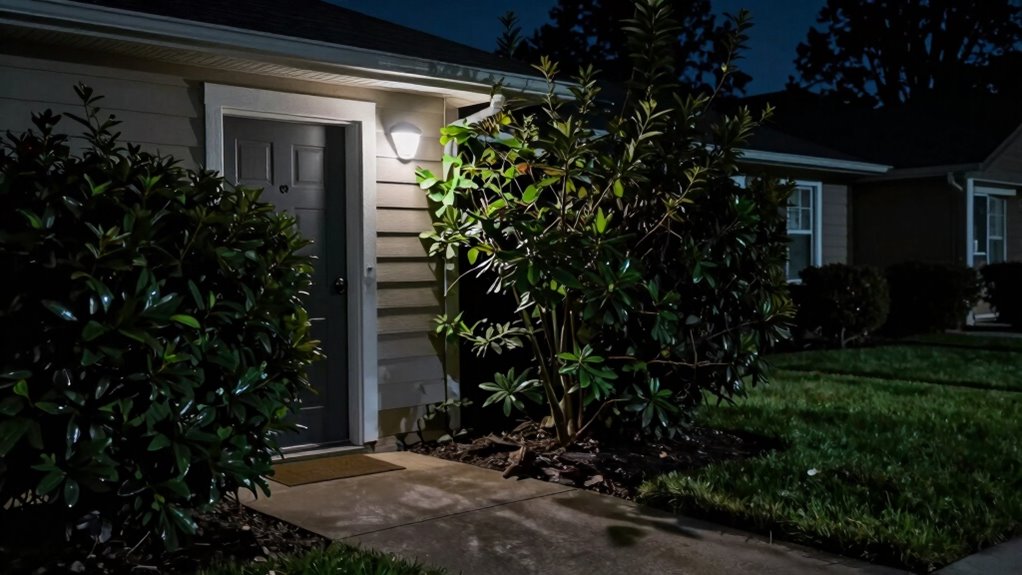

When securing your home, you can’t overlook common blind spots in your security camera placement. Stairwells, corners, and areas behind furniture are often neglected, leaving vulnerabilities. Relying solely on entry points isn’t enough; side windows and backyard spaces need monitoring too. Outdoor lighting enhances visibility, while proper camera placement can reduce blind spots. Regularly reassess your setup and adjust angles as needed. Want to discover more effective strategies for thorough coverage?

Get decor and gifts delivered free with Prime
- Fast, free delivery on millions of items
- Prime Video, Amazon Music and more included
- Member-only deals all year
Key Takeaways
- Common blind spots include stairwells, corners, and behind furniture, often limiting effective interior surveillance.
- Side windows and backyard areas should be monitored, as they are often overlooked entry points.
- Cameras should be placed at optimal heights (8-10 feet) to enhance coverage and prevent tampering.
- Regularly reassess and adjust camera angles to adapt to changes in your property and eliminate blind spots.
- Incorporate motion sensors and outdoor lighting to enhance visibility and deter potential intruders.
Products Worth Considering
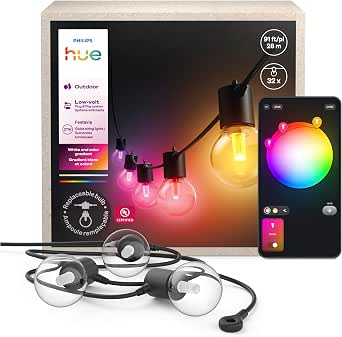
Philips Hue Festavia Globe Outdoor String Lights, 32 Bulbs, 91 ft

Ring Battery Doorbell Plus (2nd Gen) and Indoor Cam Plus Bundle, Nickel Silver and White

Philips Hue Bridge Pro Smart Lighting Hub
As an affiliate, we earn on qualifying purchases.
Common Blind Spots in Home Security Camera Placement
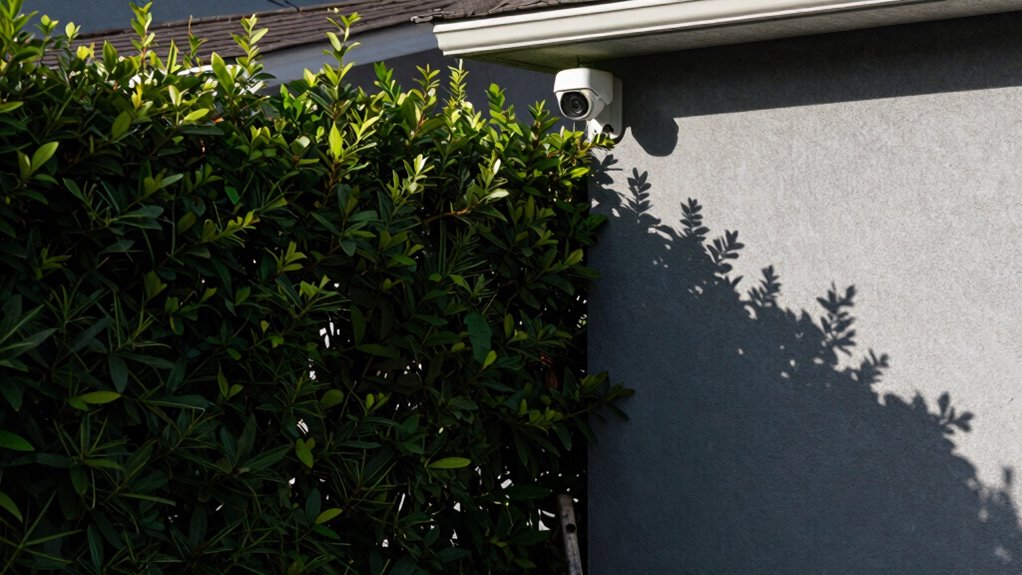
When you set up security cameras, it’s vital to take into account common blind spots that can leave your home vulnerable. Many homeowners overlook areas like stairwells, corners, and behind furniture that can obstruct interior surveillance. Depending on the camera types you choose, positioning is key for maximum coverage. For example, wide-angle cameras can help monitor larger spaces, but they might miss details in tight areas. Additionally, don’t forget to check for obstructions like trees or walls outside that could block the view. Regularly reassess your setup to make sure you’re capturing all potential entry points and movements. Incorporating security zone info devices can help alert you to blind spots or camera obstructions in real-time. Understanding home security effectiveness can guide you in optimizing camera placement and coverage. Properly configuring and maintaining your cameras is also crucial for reducing coverage gaps and ensuring continuous security. Moreover, using camera placement tips can help you identify and eliminate these blind spots more effectively. By addressing these blind spots, you’ll greatly enhance your home’s security and reduce the risk of undetected incidents.
Why Entry Points Alone Won’t Secure Your Home?
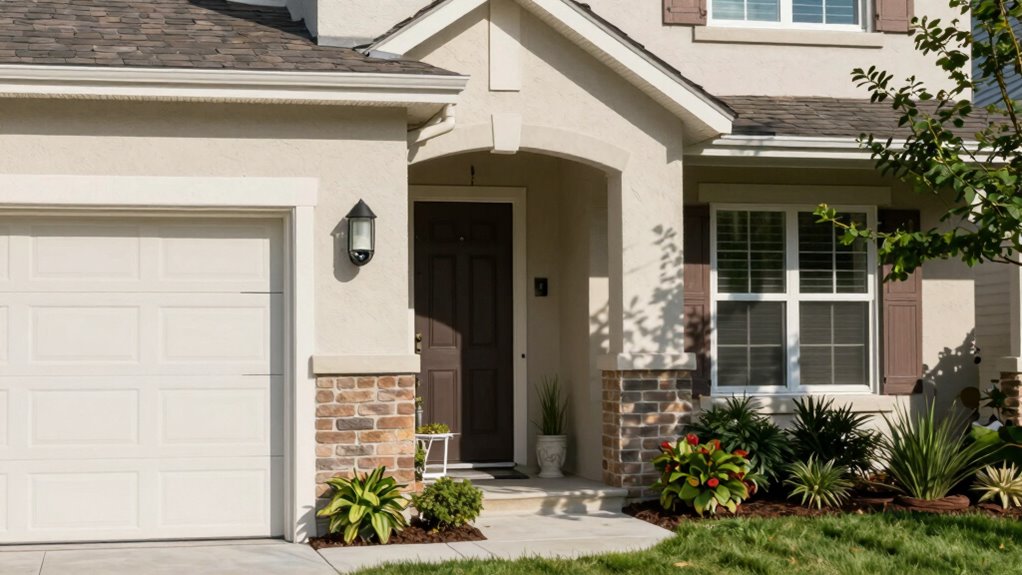
Relying solely on entry points for home security can leave you vulnerable. Many intruders exploit overlooked side windows and backyard areas, which often lack proper monitoring. To truly safeguard your home, you need an all-encompassing approach that covers all potential entryways. Additionally, maintaining indoor air quality can help you stay alert to unusual activity or odors that might indicate a security concern. Proper ventilation and regular cleaning can reduce microplastics in dust, ensuring a healthier environment that allows you to better detect signs of intrusion or other issues. Regularly inspecting for air leaks can also improve your home’s overall security by preventing drafty areas that could be exploited. Incorporating security camera placement strategies that cover these blind spots can significantly enhance your home’s protection. Using technology like smart sensors can also alert you to unusual activity, enabling quicker responses to potential threats.
Overlooking Side Windows
Many homeowners overlook side windows, but these areas can be just as vulnerable as front and back doors. Side window security is essential, as intruders often target these less visible spots. If you don’t install cameras or adequate lighting on the sides of your home, you’re leaving potential entry points unguarded. Additionally, proper home soundproofing can help prevent intruders from hearing activity inside your home, further enhancing security. Consider your neighborhood visibility, too. If your side windows face a secluded alley or dense foliage, they may be particularly appealing to thieves. Make sure your security system includes coverage for these windows, as even a small lapse can lead to significant issues. Paying attention to security camera placement helps ensure comprehensive coverage and can deter intruders before they attempt an entry. Proper window security measures, such as reinforced glass or security bars, can further protect these vulnerable areas. By paying attention to side windows, you enhance your home’s overall security and deter unwanted visitors effectively. Don’t let these overlooked areas be your weak link.
Neglecting Backyard Areas
While securing entry points like doors and windows is essential, ignoring your backyard can leave your home vulnerable. Many homeowners focus solely on the front, forgetting that the backyard often holds hidden entry points. Without proper surveillance, someone could easily slip through gaps in your backyard fencing or take advantage of shadowy corners. Incorporating smart security devices specifically designed for outdoor use can further strengthen your defenses. Installing security cameras in your backyard is a smart move, but it’s also important to enhance your outdoor lighting. Well-lit areas deter intruders and provide better visibility for your cameras. Make sure to cover all angles, especially near gates or sheds. Additionally, practicing structured routines like regular security checks can help you identify and address potential vulnerabilities proactively. Using adaptive lighting that responds to movement can also improve security by startling intruders and alerting you to suspicious activity. Paying attention to perimeter vulnerabilities can help you spot weak spots in your fencing or landscaping that might otherwise go unnoticed. Recognizing security blind spots in your backyard layout ensures a comprehensive approach to safeguarding your entire property. By addressing backyard security, you’ll create an extensive defense that protects your entire property, not just the front. Don’t overlook this critical area!
Overlooking Outdoor Areas: Gardens and Patios
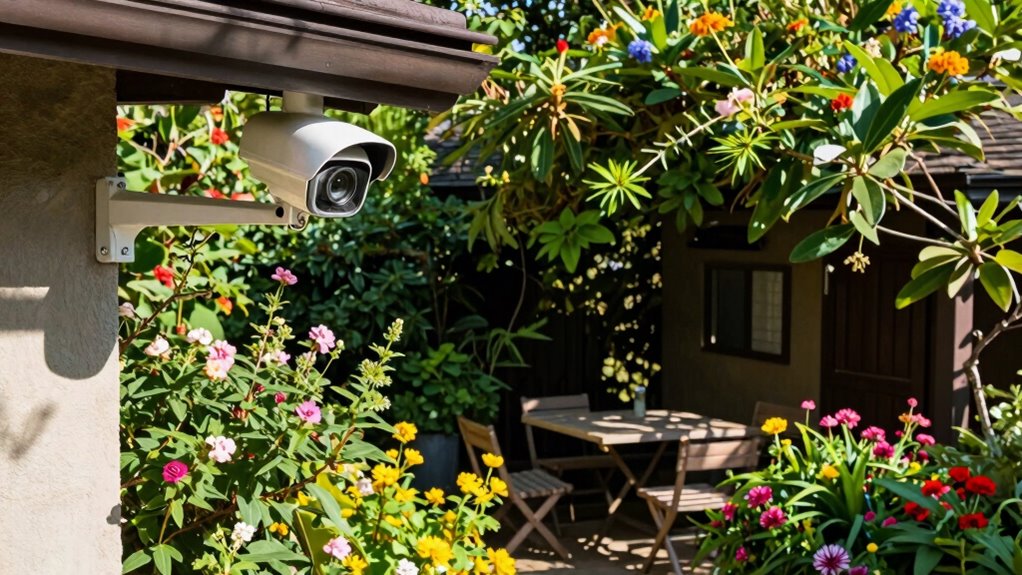
When it comes to securing your outdoor spaces like gardens and patios, don’t overlook common blind spots. You’ll want to position your cameras at effective angles to capture every corner. This comprehensive security coverage helps you keep an eye on all areas, ensuring you’re prepared for any situation. Proper camera placement can also help prevent accidents and deter intruders effectively. Consider smart camera technology to enhance coverage and remote monitoring capabilities. Using anti-fatigue mats outdoors can also improve safety and comfort for anyone working or relaxing outside, reducing the risk of slips and falls on uneven surfaces. Incorporating eco-friendly HVAC guidance into your outdoor space, such as energy-efficient cooling options, can also create a more comfortable environment while reducing your overall energy footprint.
Common Outdoor Blind Spots
Although you may think your outdoor security cameras cover all areas, blind spots often lurk in gardens and patios. Many homeowners forget to reflect on fencing options that might obstruct views or create hidden corners. For instance, tall hedges or decorative fencing can block camera sightlines, leaving certain areas vulnerable.
Additionally, outdoor decor, like furniture or planters, can inadvertently shield activities from view. When positioning your cameras, verify they can monitor all pathways and entry points, especially near these obstructions. Regularly reassess your setup to adapt to changes in your landscaping or decor. By addressing these common blind spots, you’ll enhance your home’s security and keep a watchful eye on every corner of your outdoor space.
Effective Camera Angles
To effectively monitor your outdoor spaces, it’s crucial to position cameras at strategic angles that maximize visibility. Here are three camera positioning strategies to reflect on:
- Corner Placement: Install cameras in corners to cover multiple areas, reducing blind spots.
- Optimal Height: Mount cameras at least 8-10 feet high for a broader field of view and to prevent tampering.
- Focus on Entry Points: Direct cameras toward entrances, like garden gates or patio doors, ensuring you capture any activity.
- Additionally, consider the placement of cameras to prevent water damage or environmental exposure that could compromise their functionality.
How Lighting Affects Camera Performance
Effective lighting plays an essential role in enhancing camera performance. Proper lighting conditions can improve night vision and help your camera accurately capture images. By analyzing ambient brightness, you can adjust exposure settings for maximum clarity. Use glare reduction techniques to minimize reflections that can distort color accuracy.
Here’s a quick overview of how different lighting conditions affect camera performance:
| Lighting Condition | Impact on Performance | Recommended Action |
|---|---|---|
| Low Light | Reduced visibility | Use infrared technology |
| Bright Sunlight | Glare and overexposure | Employ glare reduction |
| Shadow Areas | Poor detail capture | Conduct shadow analysis |
| Mixed Lighting | Inconsistent color accuracy | Adjust exposure settings |
| Nighttime | Limited detail without aid | Enhance with night vision |
Keeping an Eye on Your Driveway and Garage

When you’re monitoring your driveway and garage, strategic camera placement can make all the difference. Ensuring ideal driveway visibility and enhancing garage security are key aspects of safeguarding your home. Here are three vital tips:
Strategic camera placement is essential for enhancing driveway visibility and garage security to effectively safeguard your home.
- Position Cameras at Entrances: Install cameras near the driveway entrance and garage door to capture every vehicle that approaches.
- Cover Blind Spots: Identify and address any blind spots by placing cameras in corners or high points for a wider view.
- Use Motion Sensors: Integrate cameras with motion detection to alert you of any unusual activity, ensuring you’re always aware.
- Regularly adjust your camera angles to maintain optimal coverage as your property or landscape changes.
Don’t Forget Your Windows
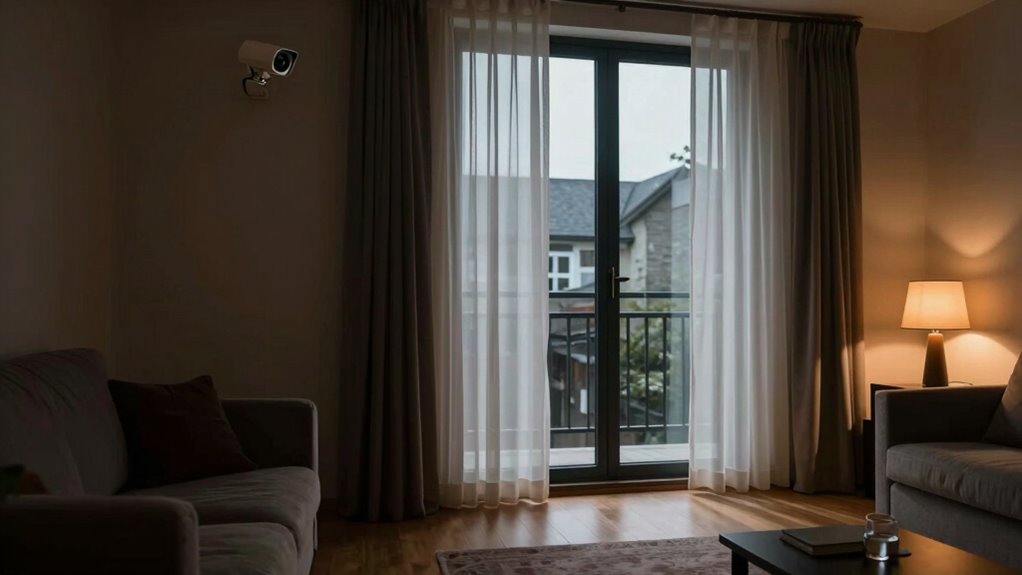
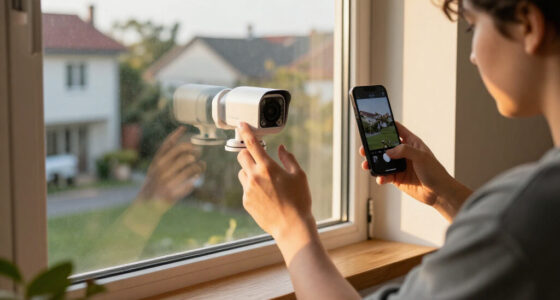
While many homeowners focus on doors and driveways, it’s easy to overlook windows as potential entry points for intruders. Windows can be vulnerable, especially if they aren’t secured properly. To enhance your window security, consider installing cameras that cover these areas effectively. Position your cameras at angles that capture the entire window frame and any nearby access points. This guarantees you won’t miss any suspicious activity. Additionally, choosing motion-activated cameras can help alert you to movement around windows when you’re not home. Remember, a thorough security strategy includes every entry point, so don’t neglect your windows. They’re just as important as doors in keeping your home safe and secure.
Assessing and Optimizing Your Camera Setup
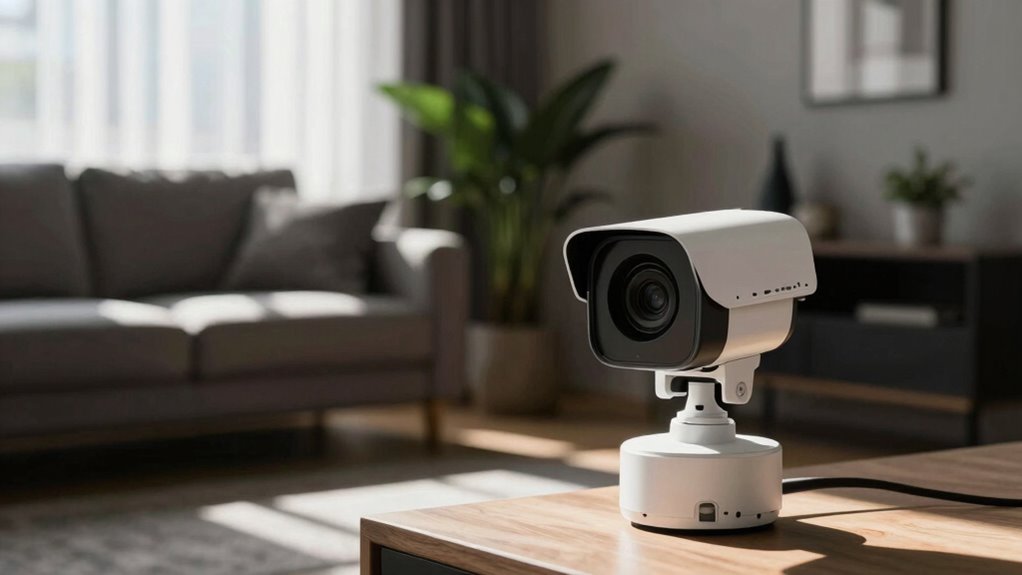
After securing your windows, it’s time to assess and optimize your camera setup. Proper camera placement is essential for effective surveillance. Here are a few tips to enhance your system:
After securing your windows, optimize your camera setup for effective surveillance with strategic placement and regular footage reviews.
- Choose the Right Camera Types: Consider indoor vs. outdoor cameras, and whether you need night vision or motion detection features.
- Strategic Placement: Install cameras at entry points like doors and garages, but avoid obstructions to maximize visibility.
- Regularly Review Footage: Check recorded footage to identify any blind spots and adjust camera angles as needed.
Proactive Steps for Comprehensive Coverage
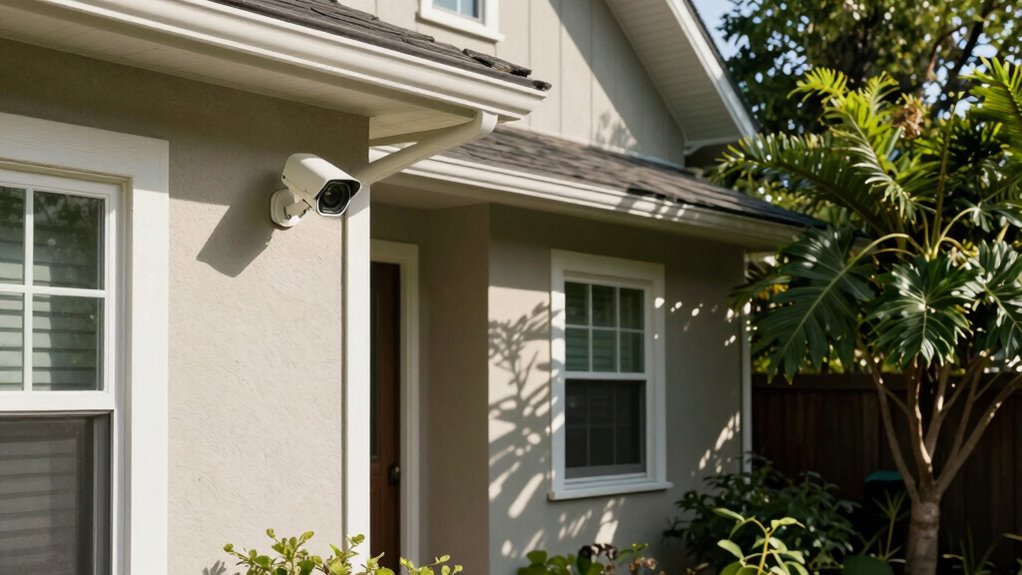
To guarantee your property is thoroughly covered, it’s essential to take proactive steps in your security camera setup. Start by identifying potential blind spots around your home. Focus on areas like entry points, driveways, and dark corners where intruders might hide. Use preventive measures like motion sensors to enhance your system.
Next, consider strategic positioning for your cameras. Mount them at eye level for better facial recognition and make sure they’re angled to capture movement. Avoid obstructions, like trees or furniture, that could block the view. Regularly check your camera feeds and adjust angles as necessary. By implementing these proactive strategies, you’ll greatly improve your home’s security and minimize vulnerabilities.
Frequently Asked Questions
How Many Cameras Do I Need for Optimal Coverage?
For maximum coverage, you’ll typically need at least four to six cameras, depending on your home’s layout. Consider using different camera types, like dome and bullet cameras, to cover various areas effectively. Identify key coverage zones, such as entry points, driveways, and backyards, to guarantee you don’t miss any blind spots. By strategically placing your cameras, you can enhance security and monitor your property more efficiently.
Can I Use Indoor Cameras for Outdoor Monitoring?
You can use indoor cameras for outdoor monitoring, but there are challenges. Indoor camera versatility often means they’re not built to withstand weather elements like rain or extreme temperatures. If you decide to use them outside, make sure they’re protected from the elements, perhaps by placing them in a sheltered area. However, investing in outdoor-specific cameras is usually the better choice for reliable and effective monitoring of your property’s exterior.
Are There Specific Camera Brands Recommended for Homes?
Absolutely, there are several camera brands you can consider for home security. Brands like Arlo, Ring, and Nest offer excellent camera features like motion detection and night vision. If you’re on a budget, Wyze and Blink provide great options that won’t break the bank. When choosing, think about your needs and how the cameras integrate with your home. Researching user reviews can help you find the best fit for your situation.
What Is the Best Angle for Camera Placement?
Think of your camera as a watchful guardian, ready to capture every moment. For the best angle, aim for an ideal mounting height of 8 to 10 feet. This height gives you a wide field of view while reducing the chance of tampering. Position the camera slightly downward for maximum coverage, ensuring it captures faces and movements clearly. Remember, a well-placed camera can act like a sentinel, keeping your home safe.
How Do I Maintain My Security Cameras?
To maintain your security cameras, you should regularly clean the lenses to remove dust and debris that can obscure the view. Use a soft, lint-free cloth and a gentle cleaner. Don’t forget to check for firmware updates; keeping your cameras’ software current guarantees peak performance and security. Set reminders to do these tasks every few months, so you stay proactive and your cameras work effectively when you need them most.
Conclusion
In the grand tapestry of home security, overlooking those hidden nooks and crannies can leave you with a false sense of safety. By taking a moment to reassess your camera placements, you’re not just tightening the net; you’re embracing peace of mind. Remember, it’s the unseen shadows that often tell the most compelling stories. So, equip your home with a watchful eye and guarantee every corner is embraced, leaving no room for unwelcome surprises.