Finding the right hearing amplifier for elderly users involves balancing performance, ease of use, and affordability. The Rechargeable Hearing Aid Amplifier with Wireless Neckband stands out as the best overall for its versatile design and sound clarity. The SuperEar SE7500 offers excellent amplification for those needing a simple, portable option, while the Rechargeable OTC Hearing Aids with Noise Cancellation deliver advanced features at a competitive price. Many options face tradeoffs between sound quality, battery life, and ease of operation, making it vital to prioritize your specific needs. Continue reading for a detailed breakdown of these options to find the best fit for your hearing needs.

Get decor and gifts delivered free with Prime
- Fast, free delivery on millions of items
- Prime Video, Amazon Music and more included
- Member-only deals all year
Complete the kit



Key Takeaways
- Performance varies significantly between models, especially in noise reduction and feedback suppression.
- Rechargeable designs are increasingly favored for convenience, but some still rely on traditional batteries.
- Ease of use, including controls and connectivity, is a key factor for elderly users with limited tech experience.
- Price range is broad, with premium models offering advanced features but at a higher cost.
- Portability and discreetness often compete with features like powerful amplification and longer battery life.
| Rechargeable Hearing Aid Amplifier with Wireless Neckband and External Microphone |  | Best Overall for Versatile Use and Long Battery Life | Wireless Technology: 2.4g wireless | Battery Life (Amplifier): 20 hours | Battery Life (Microphone): 10 hours | VIEW ON AMAZON | See Our Full Breakdown |
| Rechargeable Hearing Amplifier with Microphone for Seniors and Adults |  | Best for Simplicity and Long-Lasting Battery Life | Maximum Sound Gain: 65dB | Battery Life: Up to 120 hours | Charging Time: 1 hour | VIEW ON AMAZON | See Our Full Breakdown |
| Rechargeable OTC Hearing Aids for Seniors, Digital Hearing Aids with Noise Cancellation & Feedback Suppression, Mini In-Ear Design, Magnetic Charging Case, 100H Use |  | Best Discreet In-Ear Solution for Comfortable Daily Wear | Battery Life: Up to 100 hours | Charging: Magnetic charging case | Operation: One-button control | VIEW ON AMAZON | See Our Full Breakdown |
| SuperEar SE7500 Hearing Amplifiers for Seniors, Personal Sound Amplifier |  | Best for High Gain and Versatile Use | Maximum Sound Gain: 50+ dB | Battery Life: Up to 80 hours | Includes: Batteries, earbuds, carry case | VIEW ON AMAZON | See Our Full Breakdown |
| Rechargeable Hearing Aids for Adults and Elderly, 16-Channel AI Digital Sound Processing |  | Best for Advanced Sound Quality and Customization | Channels: 16 | Battery Life: Up to 30 hours | Charging Time: 1-2 hours | VIEW ON AMAZON | See Our Full Breakdown |
| Williams Sound PockeTalker Ultra DUO Sound Amplifier with Headphone & Earbud |  | Best Overall for Versatile Hearing Assistance | Acoustic Gain: 20-40 dB | Battery Life: Up to 100 hours | Microphone: Removable with extension cord | VIEW ON AMAZON | See Our Full Breakdown |
| Personal Sound Amplifier for Seniors with Voice Enhancement, 50dB Gain, Headphones & Earbud, 3 Microphone Types, Adjustable Tone & Volume |  | Best for Customized, Clear Listening in Varied Environments | Power Source: 2 AAA batteries (included) | Noise Cancellation: Yes | In-Ear Fit: Yes | VIEW ON AMAZON | See Our Full Breakdown |
| Rechargeable Hearing Aids for Seniors with Noise Cancelling and Adjustable Volume – Pair with Charging Box |  | Best for Ease of Use and Long-Lasting Comfort | Noise Reduction: Yes | Rechargeable: Yes | Battery Life: 40 hours | VIEW ON AMAZON | See Our Full Breakdown |
| SuperEar SE5000 Hearing Amplifier for Seniors, Sound Amplifier, Headphones |  | Best for Basic Ambient Sound Enhancement | Amplification Range: up to 50+ dB | Battery Life: up to 30 hours | Includes: amplifier, stereo headphones, earbuds, AAA battery, belt clip | VIEW ON AMAZON | See Our Full Breakdown |
| Karthus OTC Hearing Aids for Seniors, Rechargeable with Noise Reduction |  | Best for Simple, Effective Hearing Support | Channels: 16-channel digital processing | Battery Life: Up to 30 hours / 100 hours with charging case | Charging Time: 15 minutes | VIEW ON AMAZON | See Our Full Breakdown |
| Hearing Aids for Seniors, Rechargeable Bluetooth with App Control |  | Best Overall for Tech-Savvy Seniors | Bluetooth: Yes | Rechargeable: Yes | App Control: Yes | VIEW ON AMAZON | See Our Full Breakdown |
| Williams Sound Pocketalker Ultra Hearing Amplifier |  | Best for Simplicity and Ease of Use | Amplification: up to 40dB | Includes: 20 AAA batteries, headphones, mini earbud, microphone extension cord, neck lanyard, microfiber cloth, user manual | Adjustable Controls: Volume and tone | VIEW ON AMAZON | See Our Full Breakdown |
| Rechargeable Hearing Amplifier with Headphones | 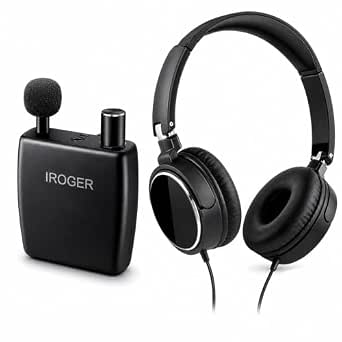 | Best for Automatic Adjustment and Longevity | Sound Gain: 65dB | Battery Life: up to 120 hours | Charging Time: about 1 hour | VIEW ON AMAZON | See Our Full Breakdown |
| hearing amplifiers for elderly | Battery Life |
|---|---|
| Rechargeable Hearing Aid Ampli | — |
| Rechargeable Hearing Amplifier | Up to 120 hours |
| Rechargeable OTC Hearing Aids | Up to 100 hours |
| SuperEar SE7500 Hearing Amplif | Up to 80 hours |
| Rechargeable Hearing Aids for | Up to 30 hours |
| Williams Sound PockeTalker Ult | Up to 100 hours |
| Personal Sound Amplifier for S | — |
| Rechargeable Hearing Aids for | 40 hours |
| SuperEar SE5000 Hearing Amplif | up to 30 hours |
| Karthus OTC Hearing Aids for S | Up to 30 hours / 100 hours with charging case |
| Hearing Aids for Seniors | — |
| Williams Sound Pocketalker Ult | — |
| Rechargeable Hearing Amplifier | up to 120 hours |
More Details on Our Top Picks
Rechargeable Hearing Aid Amplifier with Wireless Neckband and External Microphone
This model stands out for its combination of wireless convenience and long battery life, making it ideal for seniors who want a device that can handle TV listening and conversations without frequent recharging. Compared with the SuperEar SE7500, it offers better noise reduction and adjustable volume, which enhances clarity in noisy environments. However, its reliance on charging may be a drawback for those seeking a completely cordless experience for extended outdoor activities. The neckband design distributes weight evenly, providing all-day comfort, and the wireless range of up to 60 feet allows mobility during use. It’s a solid choice for users who prioritize flexibility and long-term comfort but might be less suitable for loud, demanding environments that require more powerful amplification.
Pros:- Clear sound with noise reduction in noisy settings
- Long-lasting rechargeable batteries (20 hours for amplifier, 10 hours for microphone)
- Comfortable neckband design suitable for all-day wear
- Adjustable volume for personalized hearing
Cons:- Requires regular charging, which may be inconvenient
- Limited effectiveness in very loud or high-noise environments
Best for: Seniors who want a versatile, wireless amplifier for TV, conversations, and moderate outdoor use
Not ideal for: Elderly users needing very high amplification or working in extremely loud environments
- Wireless Technology:2.4g wireless
- Battery Life (Amplifier):20 hours
- Battery Life (Microphone):10 hours
- Design:Neckband with magnetic earbuds
- Adjustable Volume:Yes, individual control
- Range:Up to 60 feet
Our verdict“This pick suits seniors seeking a flexible, long-lasting wireless amplifier for everyday indoor and outdoor use.”
Rechargeable Hearing Amplifier with Microphone for Seniors and Adults
This device emphasizes ease of use with a straightforward volume knob and effective noise-canceling microphone, making it a strong choice for seniors who prefer minimal controls. Compared with the B0HCBRTVGV, it offers longer battery life—up to 120 hours—and faster charging, though it provides a maximum gain of 65dB, which may not suffice for severe hearing loss. Its compact design and effective noise reduction make it suitable for daily use, especially for those who want a no-fuss device without extensive customization options. While it lacks advanced features like multiple channels or app control, it excels in reliability and simplicity, which are vital for many elderly users.
Pros:- Simple interface with just a volume knob
- Exceptional battery life (up to 120 hours)
- Effective directional noise-canceling microphone
- Compact and discreet design
Cons:- Maximum gain might not be enough for severe hearing impairment
- No advanced features or app connectivity
Best for: Seniors who need a straightforward, long-lasting amplifier for daily conversations and TV listening
Not ideal for: Users with severe hearing loss requiring higher gain or advanced customization
- Maximum Sound Gain:65dB
- Battery Life:Up to 120 hours
- Charging Time:1 hour
- Warranty:2 years
Our verdict“This amplifier is ideal for seniors seeking a reliable, easy-to-use device with long battery life for everyday use.”
Rechargeable OTC Hearing Aids for Seniors, Digital Hearing Aids with Noise Cancellation & Feedback Suppression, Mini In-Ear Design, Magnetic Charging Case, 100H Use
This model makes sense for seniors who prefer a nearly invisible, in-ear design that’s easy to operate with a single button. Compared to the B0GZQBNGHG, it offers a more discreet profile and a portable charging case capable of providing up to 100 hours of use, ideal for those who need a compact, all-day device. The simple one-button operation and skin-friendly materials help reduce frustration for less tech-savvy users. However, its limited control options might not satisfy those who want detailed sound customization or higher amplification levels. It’s a strong choice for elderly users seeking comfort and convenience over advanced features or high gain.
Pros:- Nearly invisible, ergonomic in-ear design
- Long battery life with a portable magnetic charging case
- Simple one-button operation suitable for seniors
- Made with skin-friendly, medical-grade materials
Cons:- Limited control options and customization
- Requires charging every few days, which could be inconvenient
Best for: Seniors seeking a discreet, easy-to-operate device with long-lasting portable power
Not ideal for: Users with significant hearing loss requiring extensive tuning or amplification
- Battery Life:Up to 100 hours
- Charging:Magnetic charging case
- Operation:One-button control
- Design:Mini in-ear, ergonomic
- Materials:Medical-grade, skin-friendly
Our verdict“This pick is best for seniors wanting a discreet, comfortable device with straightforward operation for all-day use.”
SuperEar SE7500 Hearing Amplifiers for Seniors, Personal Sound Amplifier
The SuperEar SE7500 provides significant amplification, making it a strong choice for seniors who need a boost of over 50dB in challenging environments. Compared with smaller, more discreet options like the B0HCBRTVGV, it offers a more robust amplification suitable for outdoor or noisy settings. Its extensive accessories, including batteries, earbuds, and a belt clip, add to convenience, though the device’s size and manual adjustment requirement may be less comfortable for some elderly users. Its long battery life (up to 80 hours) supports extended use, but the need for manual sound level adjustments might be a hurdle for users with dexterity issues or cognitive impairment.
Pros:- Provides over 50dB of ambient sound gain
- Includes comprehensive accessories for convenience
- Portable, with a belt clip for active use
- Long battery life of up to 80 hours
Cons:- Requires manual adjustment for optimal sound levels
- Some users may find the size or fit uncomfortable
Best for: Seniors needing high amplification and versatility for outdoor, indoor, or noisy environments
Not ideal for: Those who prefer discreet, small devices or minimal manual adjustments
- Maximum Sound Gain:50+ dB
- Battery Life:Up to 80 hours
- Includes:Batteries, earbuds, carry case
Our verdict“This amplifier suits seniors who need substantial sound gain and don’t mind a larger, manual device for active use.”
Rechargeable Hearing Aids for Adults and Elderly, 16-Channel AI Digital Sound Processing
This device appeals to seniors who value sophisticated sound processing and a comfortable, ergonomic fit. Its 16-channel AI digital processing enables nuanced noise reduction and speech clarity, outperforming basic amplifiers like the SE7500 in complex acoustic environments. Compared with other options like the B0GZQBNGHG, it offers more channels for detailed sound tuning, although at a higher cost. Its 30-hour battery life and quick recharge make it suitable for all-day wear, but the lack of water resistance could be a concern for active, outdoor seniors. For those wanting the most refined sound experience, this model provides advanced features that justify the investment.
Pros:- Advanced 16-channel AI sound processing for clear audio
- Long-lasting battery (30 hours) with fast charging
- Comfortable, ergonomic lightweight design
- Simple controls suitable for seniors
Cons:- Higher price point due to advanced features
- No water or sweat resistance mentioned
Best for: Tech-savvy seniors or those with moderate to severe hearing loss seeking personalized, high-quality sound
Not ideal for: Elderly users seeking a basic, budget-friendly device without advanced tuning
- Channels:16
- Battery Life:Up to 30 hours
- Charging Time:1-2 hours
- Full Charge Cycles:10
- Design:Ergonomic, lightweight
Our verdict“This pick is ideal for seniors desiring high-performance, customizable sound processing and long battery life for all-day comfort.”
Williams Sound PockeTalker Ultra DUO Sound Amplifier with Headphone & Earbud
The Williams Sound PockeTalker Ultra DUO stands out for its long battery life of up to 100 hours, making it ideal for daily use without frequent recharging. Its adjustable volume and tone controls provide personalized sound amplification, and including both a headset and earbud offers flexible listening options. Compared with the SuperEar SE5000, it offers less noise reduction but excels in prolonged usage. Its portability and long-lasting power make it a reliable choice, though its bulkiness may be a drawback for some seniors. The device is best suited for those who need extended listening sessions and prefer customizable controls, but it might be less ideal for users seeking a lightweight, compact model.
Pros:- Long battery life up to 100 hours for all-day usage
- Adjustable volume and tone controls for personalized listening
- Includes both headset and earbud for versatile use
Cons:- Requires two AAA batteries, which are not included
- Limited to 20-40 dB gain, not suitable for severe hearing loss
- Some users may find the device bulky and less discreet
Best for: Seniors who prioritize long battery life and flexible listening options for daily activities.
Not ideal for: Individuals with severe hearing loss requiring higher gain or ultra-compact devices, as it offers limited amplification and may feel bulky.
- Acoustic Gain:20-40 dB
- Battery Life:Up to 100 hours
- Microphone:Removable with extension cord
- Batteries:2 AAA (not included)
- Warranty:5 years
Our verdict“This pick is best for seniors needing reliable, all-day amplification with versatile listening options, but less suitable for those with severe hearing loss or seeking a sleek device.”
Personal Sound Amplifier for Seniors with Voice Enhancement, 50dB Gain, Headphones & Earbud, 3 Microphone Types, Adjustable Tone & Volume
This Personal Sound Amplifier offers an impressive 50 dB of amplification with active noise cancellation, making it well-suited for seniors who need clarity in noisy situations. Its multiple microphone options allow tailored audio pickup, and the adjustable tone and volume controls enable personalized tuning. Unlike the SuperEar SE5000, which is more basic, this model provides more environmental adaptability, albeit with a potentially steeper learning curve due to its numerous settings. Its compact design enhances portability, but the complexity of controls might be daunting for less tech-savvy users. It makes the most sense for those who want fine-tuned sound enhancement across different settings, yet may be overkill for users seeking simple operation.
Pros:- High amplification with noise reduction for clear sound
- Multiple microphone options for different listening environments
- Adjustable tone and volume controls for personalized settings
Cons:- Requires 2 AAA batteries, which need replacement
- Potentially complex controls for users unfamiliar with adjustable devices
Best for: Active seniors who need versatile hearing aid settings for different environments and are comfortable with adjustable features.
Not ideal for: Seniors unfamiliar with adjustable electronics or those preferring straightforward, plug-and-play devices, as the setup may be complex.
- Power Source:2 AAA batteries (included)
- Noise Cancellation:Yes
- In-Ear Fit:Yes
- Number of Microphones:3
- Control Type:Button
- Color:Black
Our verdict“Ideal for tech-savvy seniors seeking customizable sound clarity across various situations, though beginners might find it complicated.”
Rechargeable Hearing Aids for Seniors with Noise Cancelling and Adjustable Volume – Pair with Charging Box
This Rechargeable Hearing Aid makes a strong case for seniors seeking a fuss-free, all-day device. Its rechargeable design means no more battery replacements, with 40 hours of continuous use per charge. The ergonomic, lightweight behind-ear RIC style offers comfort for long wear, and the one-touch switch simplifies operation. Compared to the Karthus OTC Hearing Aids, it provides better noise reduction and a more discreet profile. However, its limited effectiveness for severe hearing loss and the absence of wireless connectivity might be limitations for some. The quick charging feature and multiple ear dome sizes make it ideal for everyday use, especially for those who want a straightforward, rechargeable solution without complex settings.
Pros:- Rechargeable with up to 40 hours of use per charge
- Easy to operate with one-touch control
- Comfortable behind-ear design with multiple ear dome sizes
Cons:- No wireless or Bluetooth features, limiting connectivity
- Less effective for severe hearing loss
Best for: Seniors with mild to moderate hearing loss who value simplicity and long battery life.
Not ideal for: Users with severe hearing loss or those who prefer wireless connectivity, as this model lacks Bluetooth features.
- Noise Reduction:Yes
- Rechargeable:Yes
- Battery Life:40 hours
- Charging Time:2-4 hours
- Ear Dome Sizes:6 sizes
- Operation:One-touch switch
Our verdict“Designed for seniors seeking an easy-to-use, rechargeable hearing solution, but not suitable for those with significant hearing impairment or requiring wireless features.”
SuperEar SE5000 Hearing Amplifier for Seniors, Sound Amplifier, Headphones
The SuperEar SE5000 is a straightforward portable amplifier that boosts ambient sounds for seniors who want to stay aware of their surroundings. Its adjustable volume control and stereo headphones provide a simple, no-frills listening experience. Compared with more advanced models like the Karthus OTC, it lacks noise reduction and wireless connectivity, but its simplicity may appeal to users who prefer minimal setup. The device’s portability and long battery life up to 30 hours make it suitable for outdoor activities, although it only amplifies ambient sounds without direct device connections. This makes it best for seniors who primarily need environmental awareness, not detailed conversations or high-fidelity amplification.
Pros:- Portable and lightweight for easy carrying
- Adjustable volume control for personalized ambient amplification
- Long battery life up to 30 hours
Cons:- No wireless or Bluetooth connectivity
- Limited to ambient sound amplification without direct device connection
Best for: Seniors who need a portable device for ambient sound enhancement rather than direct connection to phones or TV.
Not ideal for: Those seeking advanced noise reduction or the ability to connect wirelessly to other devices, as this model is limited to basic amplification.
- Amplification Range:up to 50+ dB
- Battery Life:up to 30 hours
- Includes:amplifier, stereo headphones, earbuds, AAA battery, belt clip
- Compatibility:disposable earpad covers, extension cables
Our verdict“Suitable for seniors wanting a simple, portable device to increase environmental awareness, but not for those needing detailed sound or device connectivity.”
Karthus OTC Hearing Aids for Seniors, Rechargeable with Noise Reduction
The Karthus OTC Hearing Aids are designed for ease of use, featuring a behind-ear RIC style with soft tulip ear tips. With 16-channel digital processing, they provide effective noise reduction and clear sound for mild to moderate hearing loss. Compared to the Williams Sound PockeTalker, they focus more on speech clarity and less on environmental amplification. The quick 15-minute charge for hours of use makes them practical for daily wear, but they lack wireless features and are limited to basic amplification modes. These aids are best suited for seniors who want straightforward operation and decent sound quality without the complexity of app-based controls, though they may not satisfy those with severe loss or a need for advanced customization.
Pros:- Easy to operate with one button, no app needed
- Long battery life, up to 30 hours on a single charge
- Effective noise reduction for clearer conversations
Cons:- No wireless or Bluetooth capability
- Wired behind-ear design may be less discreet
Best for: Seniors with mild to moderate hearing loss seeking simple, rechargeable devices with noise reduction.
Not ideal for: Individuals with severe hearing loss or those wanting wireless connectivity, as these aids are wired and lack Bluetooth features.
- Channels:16-channel digital processing
- Battery Life:Up to 30 hours / 100 hours with charging case
- Charging Time:15 minutes
- Design:Behind-Ear RIC with soft tulip ear tips
- Modes:Quiet Mode and Noise Mode
Our verdict“An excellent choice for seniors desiring simple, rechargeable hearing aids with noise reduction, but not ideal for those seeking wireless connectivity or severe loss support.”
Hearing Aids for Seniors, Rechargeable Bluetooth with App Control
This model stands out for its seamless Bluetooth connectivity, enabling seniors to easily manage calls, music, and movies directly from their smartphones. Compared with simpler amplifiers like the Williams Sound Pocketalker Ultra, it offers advanced customization and automatic noise cancellation, enhancing clarity in noisy settings. However, reliance on a smartphone for full functionality can be a barrier for less tech-inclined users. The 16-channel digital chip ensures precise sound processing, while automatic noise modes protect against listening fatigue. The discreet design boosts confidence and style, making it ideal for those comfortable with apps and digital controls. The main tradeoff is the higher price point and the need for a compatible device, which might limit appeal for more traditional users.Pros:- Supports Bluetooth connectivity for calls and media
- Customizable via smartphone app for personalized hearing experience
- Automatic noise cancellation improves sound clarity in noisy environments
Cons:- Requires a smartphone for full customization, which may be intimidating for some
- Potentially higher cost due to advanced features
- Battery life not specified, which could impact daily use
Best for: Tech-savvy seniors who want customizable sound and smartphone integration
Not ideal for: Elderly users unfamiliar or uncomfortable with smartphone apps, or those seeking a simple, standalone device
- Bluetooth:Yes
- Rechargeable:Yes
- App Control:Yes
- Noise Cancellation:Automatic with 3 modes
- Volume Adjustment:0-100, 5 levels
- Independent Ear Control:Yes
- Channels:16-channel digital chip
Our verdict“This pick suits seniors comfortable with digital tech seeking a stylish, feature-rich hearing solution.”
Williams Sound Pocketalker Ultra Hearing Amplifier
The Pocketalker Ultra makes a strong case for users prioritizing straightforward amplification over digital customization. Its simple controls for volume and tone, along with a lightweight, ergonomic design, make it accessible to many seniors, especially those who find digital interfaces intimidating—unlike the more complex Bluetooth-enabled options like the rechargeable amplifier above. It includes a generous set of accessories, including batteries, headphones, and a microphone extension, adding to its convenience. The device excels in helping with one-on-one conversations or TV listening but isn’t suitable for severe hearing loss or noisy environments. Manual adjustments can be a hurdle for some, and it lacks features like noise reduction or environment adaptation, making it less versatile.Pros:- Easy to use with adjustable volume and tone controls
- Portable and lightweight design
- Includes a large supply of batteries and accessories
Cons:- Not a replacement for medical hearing aids in severe cases
- Requires manual adjustment for optimal use
- Limited effectiveness in noisy environments
Best for: Seniors seeking an easy-to-operate, non-digital sound amplifier for daily conversations and TV use
Not ideal for: Users with severe hearing impairments or those needing advanced noise management or digital customization
- Amplification:up to 40dB
- Includes:20 AAA batteries, headphones, mini earbud, microphone extension cord, neck lanyard, microfiber cloth, user manual
- Adjustable Controls:Volume and tone
- Design:Lightweight, ergonomic
- Warranty:5 years
Our verdict“Ideal for seniors who want straightforward amplification without digital complexity.”
Rechargeable Hearing Amplifier with Headphones
This hearing amplifier offers a balanced combination of simplicity and smart features, automatically adjusting to different environments for clearer speech—making it a practical choice for everyday use. Compared with the more customizable Bluetooth model, it lacks wireless connectivity but compensates with a long battery life of up to 120 hours and rapid charging in about an hour. The one-knob operation reduces complexity, and the directional microphone helps focus on speech, which benefits users in varied settings. However, it provides only basic noise reduction details and doesn’t include Bluetooth capabilities, limiting its appeal for those seeking media streaming or app control. It’s best suited for seniors who prioritize hassle-free use and long-lasting power.Pros:- Automatic environment adjustment for clear voices
- Long battery life with fast charging
- Simple one-knob operation
- Lightweight and portable design
Cons:- Limited details on noise reduction effectiveness
- No Bluetooth or wireless connectivity
Best for: Seniors wanting an automatic, easy-to-operate amplifier with long battery life for everyday listening
Not ideal for: Users looking for wireless streaming, app control, or advanced noise suppression features
- Sound Gain:65dB
- Battery Life:up to 120 hours
- Charging Time:about 1 hour
- Warranty:2-year
Our verdict“This amplifier suits seniors who need a straightforward, long-lasting device that adapts automatically to their surroundings.”

How We Picked
This selection process focused on evaluating hearing amplifiers based on key factors such as sound quality, usability, battery life, and affordability. We prioritized models with straightforward controls suitable for elderly users and those with rechargeable options for convenience. Durability, user reviews, and added features like noise cancellation and app control also influenced the rankings. By balancing performance and practicality, these products represent the best options for different needs within this category, helping buyers find a device that improves hearing without unnecessary complexity.Factors to Consider When Choosing Hearing Amplifiers For Elderly
Choosing the right hearing amplifier for elderly users involves several considerations beyond just sound amplification. First, evaluate ease of use: devices with simple controls and minimal setup are more suitable for those with limited dexterity or tech familiarity. Battery type and life are also critical—rechargeable models tend to offer more convenience, but disposable batteries may be preferred for longer use without charging concerns. Noise reduction features can significantly improve clarity in noisy environments, so look for models with effective feedback suppression. Size and portability matter too; compact designs are more discreet but may sacrifice some power or battery life. Lastly, consider connectivity options like Bluetooth, which can enhance usability through remote control apps, but ensure the user is comfortable with technology to avoid frustration.Ease of Use and Controls
For elderly users, straightforward controls are essential. Devices with large buttons, simple interfaces, and minimal setup reduce frustration and increase the likelihood of consistent use. Overly complex devices with multiple menus or small buttons can lead to confusion, so prioritize models that offer tactile, easy-to-understand adjustments. Some products include remote controls or smartphone apps, but these should be optional and easy to operate for users with limited tech skills. Remember, a device that’s too complicated may end up unused, defeating its purpose entirely.
Battery Life and Power Source
Battery considerations can make or break user satisfaction. Rechargeable models are generally more convenient, especially for elderly users who dislike frequent battery changes. Look for devices with a long-lasting battery—ideally, at least 20–30 hours of use per charge—so users don’t need daily attention. Conversely, some prefer disposable batteries for their simplicity and reliability, especially if they’re not comfortable with charging routines. Weighing these options against each other depends on individual preferences for convenience versus simplicity.
Sound Quality and Noise Management
Clear amplification is vital, but so is minimizing background noise. Good models incorporate noise cancellation and feedback suppression to improve speech clarity in busy environments. The most advanced options may feature multiple microphones and digital processing to adapt to noisy settings automatically. However, higher-end noise reduction can come with increased cost and complexity, so consider whether the user needs this feature often. For quiet or moderate environments, simpler devices may suffice, saving money and reducing potential frustrations.
Size, Portability, and Discretion
Discreetness and comfort are important, especially for users who wear their device throughout the day. Smaller, in-ear models tend to be less noticeable but may sacrifice some battery capacity or ease of handling. Conversely, larger neckband or behind-the-ear designs are easier to manipulate but might be less discreet. Consider the user’s comfort, skin sensitivities, and daily routine when selecting size. If discretion is a priority, opt for smaller, low-profile designs, but ensure they are still easy enough to operate.
Connectivity and Additional Features
Many newer models offer Bluetooth connectivity, allowing remote control via smartphone apps or direct connection to phones and TVs. This feature can greatly enhance usability for tech-savvy users, providing volume control and program adjustments at their fingertips. However, for less experienced users, these features may add unnecessary complexity. Focus on whether the user is comfortable with app interfaces or prefers a standalone device. Additional features like multiple listening programs or voice enhancement can also be beneficial but should align with the user’s specific hearing challenges.
Frequently Asked Questions
Are hearing amplifiers suitable for severe hearing loss?
Hearing amplifiers are generally designed for mild to moderate hearing loss and may not provide enough amplification for severe cases. For individuals with significant hearing difficulties, a professionally fitted hearing aid might be more effective. These devices are tailored to specific audiograms and can offer features like complex noise management and customized sound processing. If you suspect severe hearing loss, consulting an audiologist is a wise step to ensure you get a device that truly meets your needs.
Can elderly users operate Bluetooth-enabled hearing amplifiers?
Many Bluetooth-enabled hearing amplifiers include user-friendly apps that simplify control, but they require some familiarity with smartphones or tablets. For users comfortable with technology, these features can offer convenient adjustments and streaming. However, for those with limited tech experience, setup and ongoing use can be frustrating. It’s important to assess the user’s comfort with smartphone apps before choosing a device with advanced connectivity, or opt for models with simple manual controls instead.
How important is noise cancellation in hearing amplifiers for elderly users?
Noise cancellation can dramatically improve speech clarity in noisy environments, making conversations easier to follow. For elderly users who often encounter background noise in social settings, models with effective noise reduction are highly beneficial. However, these features can increase the device’s cost and complexity. If the user primarily needs amplification in quiet settings, simpler devices without advanced noise cancellation may be sufficient and more cost-effective.
What maintenance is required for rechargeable hearing amplifiers?
Rechargeable hearing amplifiers typically require regular charging, similar to smartphones, and minimal maintenance beyond that. It’s important to keep the charging port clean and ensure the device is charged regularly to avoid interruptions. Some models have removable batteries, which may need occasional replacement, but most modern designs aim for long-term reliability with proper care. Setting a routine for charging can help prevent unexpected power issues and extend the lifespan of the device.
Are there any risks of using hearing amplifiers instead of professionally fitted hearing aids?
Using hearing amplifiers as a substitute for professionally fitted hearing aids can pose risks, especially if the user has significant hearing loss or underlying ear conditions. Amplifiers lack personalized audiogram adjustments and advanced noise management, which can lead to discomfort or ineffective amplification. They may also cause feedback or further hearing damage if used improperly. Consulting an audiologist before relying solely on amplifiers is advisable to ensure safety and effectiveness, particularly for more severe hearing issues.
Conclusion
For those new to hearing devices or seeking a simple, affordable solution, the Rechargeable Hearing Amplifier with Wireless Neckband offers a great balance of ease of use and performance. If budget is a concern, models like the Williams Sound Pocketalker Ultra deliver solid amplification without breaking the bank. For users prioritizing advanced features and customization, the Rechargeable OTC Hearing Aids with Noise Cancellation stand out as a premium choice. Overall, the best option depends on individual needs: choose the top pick for overall reliability, budget options for affordability, and high-tech models if you want the latest features and connectivity.