You’ll find a premium product is worth it when its quality, durability, or unique features truly enhance your life or long-term goals. It’s worth paying more if the emotional or societal value aligns with your priorities, like craftsmanship or status, and it’s ethically sustainable. Conversely, if a higher price doesn’t bring tangible benefits or long-lasting performance, it’s likely just more expensive. Keep exploring to discover how to spot value versus superficial luxury.
Key Takeaways
- Assess if the premium features, durability, or performance genuinely enhance your lifestyle or long-term value.
- Determine whether the emotional and status appeal aligns with your personal goals and societal expectations.
- Consider if the higher cost reflects superior craftsmanship, sustainability, or ethical practices, justifying the expense.
- Evaluate the product’s longevity and whether it offers a tangible advantage over cheaper alternatives.
- Be cautious of luxury perceptions that serve more as status symbols rather than practical or meaningful benefits.
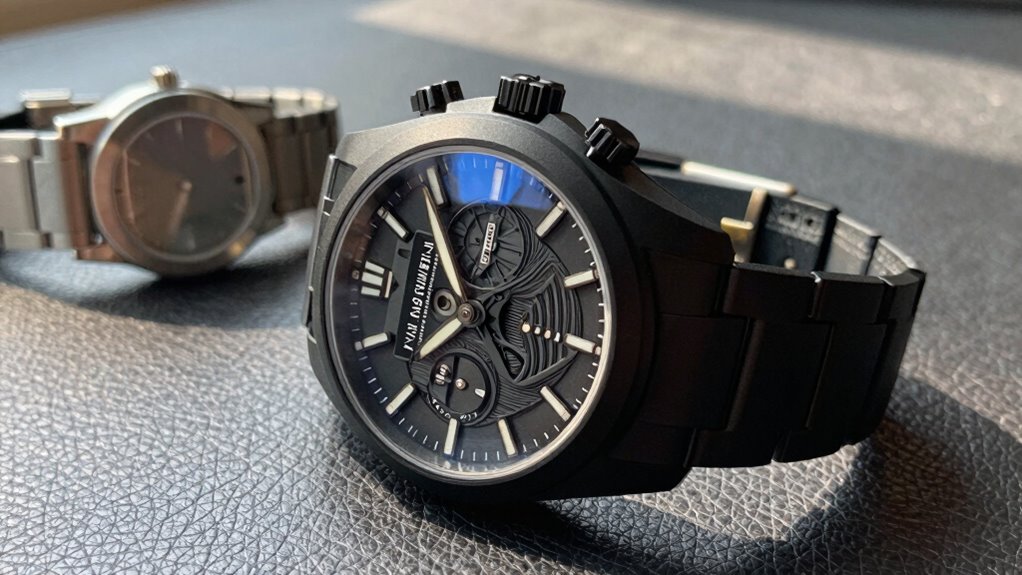
Have you ever wondered whether splurging on a premium product is truly worth it? When considering a higher-priced item, your first instinct might be to compare features and prices, but there’s another layer to explore: the luxury perception. Premium products often carry a sense of exclusivity, quality, or status that cheaper alternatives can’t match. This perception influences how much you value the product beyond its basic function. Sometimes, paying extra gives you peace of mind, knowing you’re investing in craftsmanship or brand prestige. However, it’s essential to balance this emotional appeal with a practical approach. Conducting a thorough cost benefit analysis can help you determine if the premium price is justified. Ask yourself whether the added features, durability, or experience genuinely enhance your life or merely serve as a status symbol. If the product’s superior quality means it lasts longer, performs better, or provides a unique experience, then the higher cost might be justified. But if it’s mainly about the brand name or image, you should consider whether that luxury perception aligns with your personal values or if it’s simply a marketing tactic.
You need to look beyond the surface and evaluate whether the benefits truly outweigh the costs. For example, a luxury watch might hold its value over time and serve as an heirloom, making it a worthwhile investment. On the other hand, a high-end gadget that becomes outdated quickly may not be worth the extra expense, especially if a less expensive alternative offers similar performance. Think about your priorities—are you after longevity, performance, or social status? If the premium product delivers on these fronts and adds tangible value to your daily life, then the extra cost makes sense. But if it’s just about flaunting wealth or fitting in with a certain social circle, you should be cautious. Additionally, understanding the perception of luxury can help you assess whether the added expense aligns with your personal goals or simply caters to societal expectations. Recognizing the importance of ethical consumption can also guide you to make more responsible choices that reflect your values. It’s worth noting that some consumers actively seek out products that combine luxury with sustainable practices, which can influence your purchasing decisions.
Ultimately, the decision hinges on your personal assessment of value. If the luxury perception enhances your experience and aligns with your values, then splurging might be justified. Otherwise, it’s wise to weigh whether the added expense offers real benefits or simply boosts your image temporarily. Remember, a well-informed choice balances emotional appeal with practical benefits. By doing a detailed cost benefit analysis, you ensure that your purchase isn’t just more expensive but genuinely worth it in the long run.
luxury smartwatch with long battery life
As an affiliate, we earn on qualifying purchases.
As an affiliate, we earn on qualifying purchases.
Frequently Asked Questions
How Can I Identify a Truly Premium Product From a Fake?
To spot a truly premium product, focus on luxury branding details like precise logos, high-quality materials, and impeccable craftsmanship. Check for authenticity markers and compare with official sources. Use counterfeit detection tips such as examining stitching, hardware, and packaging. If something feels off or too good to be true, trust your instincts. Authentic luxury brands prioritize quality over price, so invest time in research to guarantee you’re not falling for a fake.
Do Premium Products Always Last Longer Than Cheaper Alternatives?
Premium products often last longer, thanks to luxury branding that emphasizes quality and durability. However, high price inflation can sometimes inflate costs without real benefits. You should check materials and craftsmanship rather than just the price. If the product’s reputation and reviews support longevity, it’s worth the investment. Otherwise, a cheaper alternative might serve you just as well, especially if you prioritize function over branding prestige.
Are There Specific Brands Known for Consistently Offering Good Value?
Some brands are known for consistently offering good value, especially those with strong luxury branding that emphasizes quality and durability. You’ll find that brands like Apple, Patagonia, and certain Swiss watchmakers maintain a high value perception because they deliver reliable performance over time. These brands often justify their premium prices through craftsmanship, innovation, and reputation, making their products a worthwhile investment rather than just more expensive options.
How Does Customer Service Differ Between Premium and Standard Products?
Customer service for premium products often exceeds standard offerings, emphasizing personalized attention, faster response times, and luxury branding that makes you feel valued. This superior service fosters stronger customer loyalty, as you appreciate the exclusivity and dedicated support. In contrast, standard products typically have more automated, less attentive service. If you seek a seamless, high-end experience, investing in premium products often means enjoying better customer care and long-term satisfaction.
Can Premium Products Be More Environmentally Friendly Than Cheaper Options?
Imagine holding a sleek, polished item that feels both luxurious and eco-conscious. Premium products often use eco-friendly materials and are crafted through sustainable manufacturing processes, making them more environmentally friendly than cheaper options. By investing in these products, you support better resource management and reduced waste. So, yes, premium products can be greener, helping you enjoy quality while positively impacting the planet.
Conclusion
Ultimately, choosing a premium product depends on your needs and values. If it offers better quality, durability, or a unique experience, it’s often worth the investment. But if it’s just a pricier version of something you already have, think twice. Remember, “You get what you pay for,” but sometimes, it’s wise to save your money and stick with what works. Make smart choices, and your wallet will thank you.