
To create a more accessible hobby space, incorporate ergonomic tools like specialized scissors and magnifiers to boost comfort and precision. Use inclusive design features such as tactile markers, auditory cues, and adaptive lighting to support various sensory needs. Choose ergonomic furniture that’s adjustable for different postures and easy to get in and out of. Keep tools within reach and maintain a clutter-free environment to reduce strain and frustration. Keep exploring for more ideas to make your space welcoming for everyone.

Get decor and gifts delivered free with Prime
- Fast, free delivery on millions of items
- Prime Video, Amazon Music and more included
- Member-only deals all year
Key Takeaways
- Incorporate adaptive tools like ergonomic scissors, magnifiers, and specialized grips to support diverse needs.
- Use inclusive design features such as tactile markers, auditory cues, and voice-activated technology for accessibility.
- Select ergonomic furniture with adjustable height and lumbar support to promote comfort during hobbies.
- Ensure good, adjustable lighting and high-contrast elements to reduce eye strain and aid visibility.
- Organize tools within easy reach and maintain a clutter-free space to facilitate independent and efficient activity.
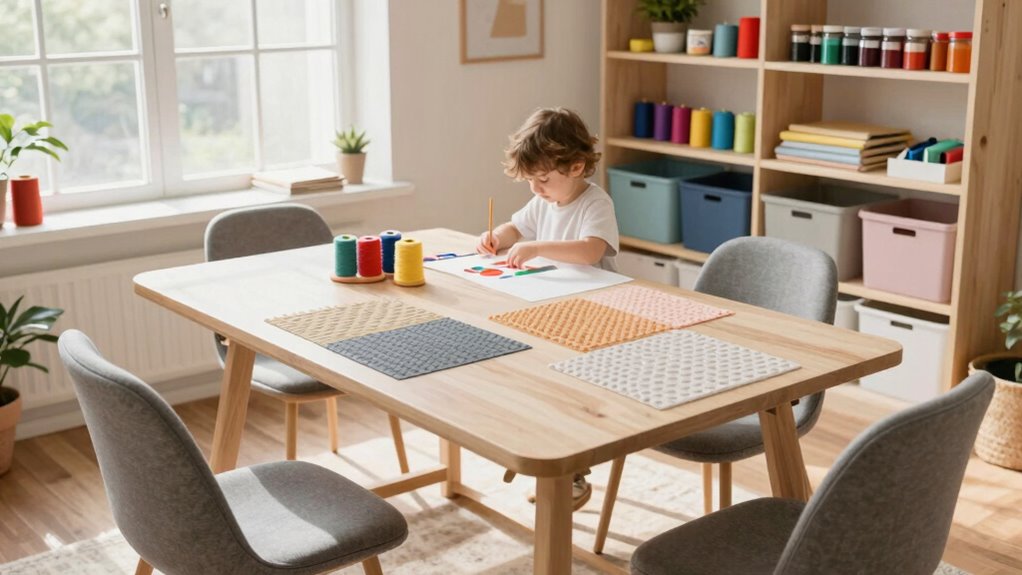
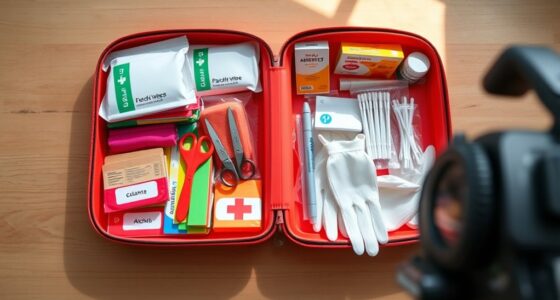
Creating an accessible hobby space is vital for ensuring everyone can enjoy their favorite activities comfortably and independently. When designing such a space, your goal should be to minimize barriers and maximize comfort, allowing for ease of movement and use. One of the most effective ways to do this is by incorporating adaptive tools that cater to diverse needs. Adaptive tools, like ergonomic scissors, magnifying glasses, or specialized grips, can make a significant difference, especially for those with limited dexterity or vision challenges. These tools help you perform tasks more comfortably and with greater precision, reducing frustration and fatigue. They also encourage independence, making it easier to pursue hobbies without constant assistance. Additionally, considering inclusive design practices can help create a space that is welcoming and usable for people with a variety of abilities and needs. Incorporating accessible features like tactile markers or auditory cues can further enhance usability for individuals with different sensory requirements. Implementing technology-enhanced support such as voice-activated devices or adaptive lighting can also facilitate a more seamless and customizable experience. A well-thought-out layout that considers universal design principles ensures the space is functional and accommodating for everyone. Incorporating smart home technology can also streamline your hobby space, making it more adaptable and easier to control for individuals with varying levels of mobility or sensory needs.
Creating an accessible hobby space promotes independence with adaptive tools for comfort and ease of use.
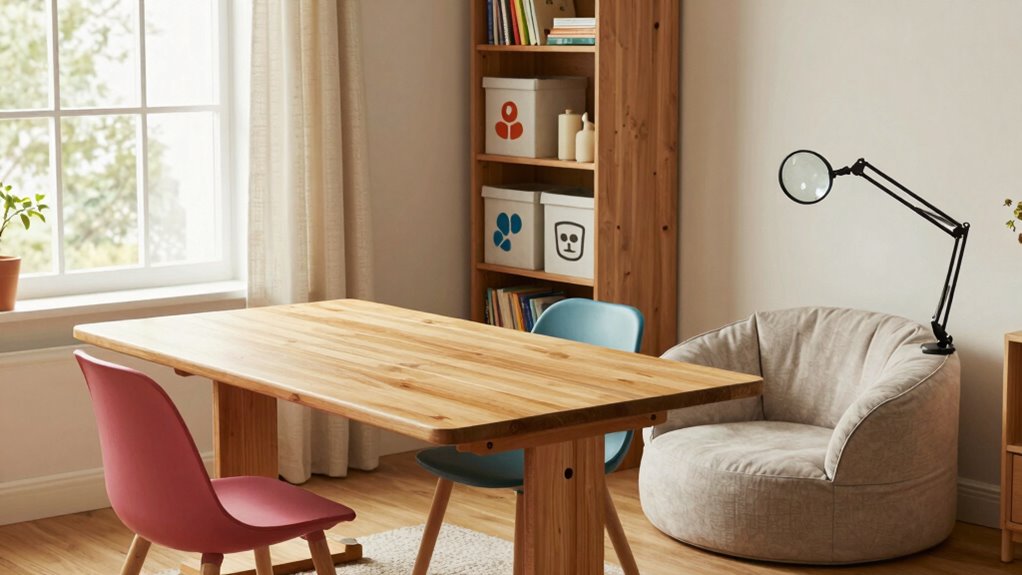
Equally important is choosing the right furniture. Ergonomic furniture plays a pivotal role in creating a supportive environment. An adjustable chair with lumbar support can help maintain good posture during long crafting or reading sessions. A height-adjustable table allows you to set your workspace at a comfortable level, whether you prefer to sit or stand. This flexibility minimizes strain on your back, neck, and shoulders, making your hobby time more enjoyable and less tiring. When selecting furniture, prioritize pieces that are stable, easy to get in and out of, and designed with accessibility in mind. Remember, the goal is to create a space that adapts to your needs, not the other way around.
Lighting also matters when setting up your accessible hobby space. Good, even lighting reduces eye strain and helps you see details more clearly. Consider adjustable lamps or task lighting that can be directed exactly where you need it. If you have visual impairments, integrating lighting with high contrast or color differentiation can also support easier navigation and focus.
Finally, organize your space thoughtfully. Keep frequently used tools within easy reach to avoid unnecessary stretching or bending. Use storage solutions that are simple to access, like open shelves or clearly labeled containers, so you don’t have to struggle to find supplies. Ensuring your space is clutter-free and well-organized helps you stay focused and enjoy your hobby without interruptions or discomfort.
As an affiliate, we earn on qualifying purchases.
Frequently Asked Questions
How Can I Modify Lighting for Better Visibility?
You can improve visibility by adding adjustable lighting, which lets you control brightness levels. Incorporate task lighting, like a focused desk lamp or an adjustable arm light, directly over your workspace. Position these lights to reduce shadows and glare, ensuring clear visibility for your activities. Using bright, natural light bulbs or LED options can also help, making your space more functional and comfortable for reading, crafting, or hobbies.
What Tools Assist With Mobility Challenges?
You can use adaptive tools like ergonomic scissors or raised work surfaces to make crafting easier. Assistive devices such as grab bars, mobility aids, or specialized seating help with movement challenges. These tools reduce strain and improve safety, allowing you to enjoy your hobbies comfortably. Incorporate these adaptive tools and assistive devices into your space to enhance accessibility and guarantee you can participate fully in your favorite activities.
How Do I Organize Supplies for Easy Access?
You should use smart storage solutions like clear bins or rolling carts to keep supplies organized. Incorporate label systems with large, easy-to-read labels so you can quickly find what you need without hassle. Arrange frequently used items at waist or eye level for easy access, and store less-used supplies out of the way. This setup minimizes effort and maximizes convenience, making your space more accessible and enjoyable.
Are There Ergonomic Furniture Options for Hobby Spaces?
You can definitely find ergonomic furniture options for your hobby space, like adjustable chairs and cushioned mats, to boost comfort and support. Adjustable chairs let you customize height and back support, reducing strain during long sessions. Cushioned mats provide a soft, supportive surface for floor activities, making your space more inviting and accessible. These options help you stay comfortable and focused, enhancing your overall hobby experience.
How Can I Reduce Noise for Sensory Sensitivities?
You can reduce noise for sensory sensitivities by implementing soundproofing techniques like adding thick rugs, curtains, or acoustic panels to absorb sound. Use noise-canceling devices such as headphones or white noise machines to block out background noise. Sealing gaps around doors and windows also helps contain sound. These strategies create a calmer environment, making your hobby space more comfortable and accessible for sensory sensitivities.
Conclusion
By designing your hobby space with accessibility in mind, you’re opening the door to endless creativity, like a garden blooming with vibrant, welcoming flowers. Every shelf, tool, and corner becomes a stepping stone, guiding you effortlessly through your passions. When your space is tailored to your needs, it’s as if you’ve crafted a cozy, welcoming haven—where inspiration flows freely and your love for crafting can blossom without limits.
Fall Picks
fall essentials
As an affiliate, we earn on qualifying purchases.