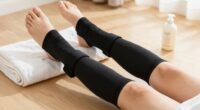
To reduce fatigue during household chores, use ergonomic tools like lightweight mops and adjustable vacuum cleaners to minimize strain. Stay well-hydrated to maintain your energy levels, and practice proper posture to avoid unnecessary muscle stress. Break tasks into smaller steps and take short, frequent breaks to stretch and recover. Wearing comfortable clothing and supportive shoes also helps prevent fatigue. Keep these strategies in mind, and you’ll find ways to make your chores more comfortable and less exhausting.
Listen free for 30 days with Audible
Thousands of audiobooks and originals — cancel anytime.
As an affiliate, we earn on qualifying purchases.
Key Takeaways
- Use ergonomic tools to minimize muscle strain and improve task efficiency.
- Stay hydrated with regular water intake to maintain energy and prevent fatigue.
- Take frequent breaks and perform light stretches to reduce muscle tension and promote recovery.
- Maintain proper posture and body mechanics during tasks to avoid unnecessary stress.
- Wear supportive footwear and comfortable clothing to decrease physical fatigue and enhance movement.
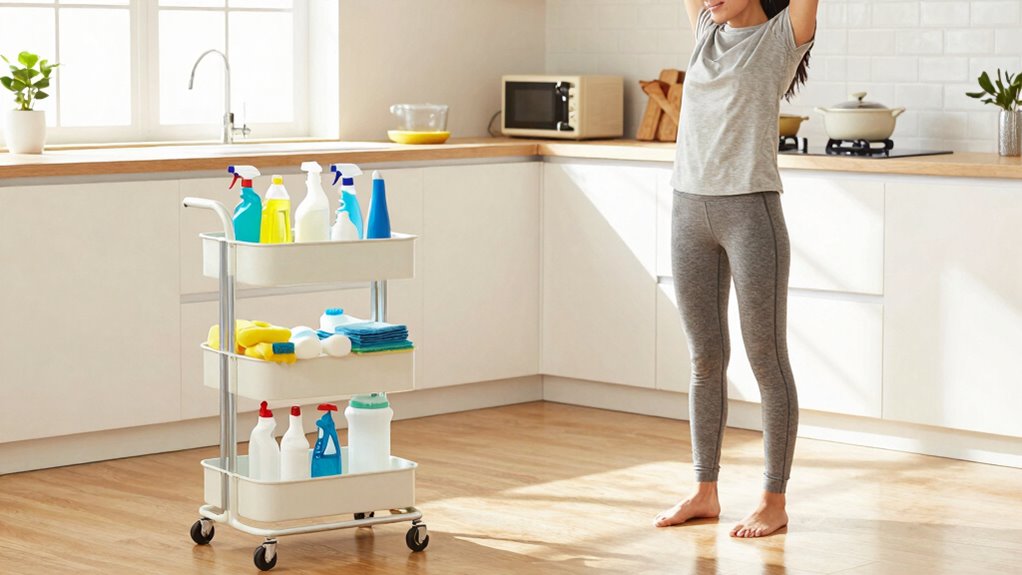
Household tasks can quickly drain your energy, leaving you exhausted and overwhelmed. Whether you’re cleaning, organizing, or doing laundry, these activities demand physical effort that can wear you out if you’re not careful. To combat fatigue, start by using ergonomic tools designed to reduce strain. These tools, such as lightweight mops, scrub brushes with comfortable grips, and adjustable vacuum cleaners, help you maintain better posture and reduce unnecessary muscle stress. When you work with ergonomic tools, you’re less likely to bend or stretch in awkward ways that can cause fatigue or injury. Investing in the right equipment makes a noticeable difference, allowing you to complete chores more efficiently and with less discomfort.
Another essential aspect often overlooked is proper hydration. When you’re busy tackling household tasks, it’s easy to forget to drink enough water, but dehydration quickly saps your energy and hampers your focus. Keep a water bottle nearby and take regular sips, especially if you’re working in a warm environment or doing physically demanding chores. Proper hydration helps maintain your stamina, reduces feelings of fatigue, and ensures your muscles function at their best. Remember, even mild dehydration can lead to tiredness and decreased motivation, so don’t neglect this simple yet indispensable step. Incorporating hydration strategies can also help you sustain your energy levels over longer periods of activity.
In addition to ergonomic tools and hydration, pace yourself. Break large chores into manageable chunks instead of trying to finish everything at once. Take short, frequent breaks to stretch and breathe deeply; this prevents muscle stiffness and boosts circulation, helping you feel more energized. During breaks, perform light stretches targeting your back, shoulders, and legs to relieve tension accumulated from repetitive movements. Listening to your body is key—if you start feeling tired or sore, pause and rest rather than pushing through the exhaustion, which can lead to strains or injuries. Additionally, understanding the importance of ergonomic tools can significantly enhance your comfort and efficiency during household activities. Incorporating proper posture awareness while working can also reduce strain and prevent fatigue over time. Practicing good body mechanics can further protect your muscles and joints from unnecessary stress and fatigue. Recognizing the importance of muscle recovery can help you plan rest periods effectively, preventing overexertion and promoting overall comfort.
Furthermore, wear comfortable clothing that allows free movement and supports your body during physical tasks. Proper footwear also plays a critical role in reducing fatigue, especially if you’re standing or walking for extended periods. Supportive shoes with cushioned soles can absorb shock and lessen the strain on your feet and legs. Combining ergonomic tools, proper hydration, pacing, and suitable clothing creates a comprehensive approach to minimizing fatigue. With these strategies, you’ll find household chores less draining, enabling you to stay energized and finish your tasks more comfortably and efficiently.
As an affiliate, we earn on qualifying purchases.
Frequently Asked Questions
How Can I Stay Motivated to Complete Household Chores?
To stay motivated, try using motivation techniques like rewarding yourself after completing chores. Break tasks into smaller, manageable steps and set a consistent schedule with chore scheduling to create routine. Play your favorite music or listen to an audiobook while working to make it more enjoyable. Remember, focusing on the sense of accomplishment can boost your motivation, making household tasks feel less like a burden and more like a quick win.
Are There Specific Foods That Boost Energy During Cleaning?
You can boost your energy during cleaning by eating healthy snacks like nuts, fruit, or yogurt, which provide sustained energy. Hydration tips are also essential—drink plenty of water before and during chores to prevent fatigue. Avoid sugary drinks, as they cause energy crashes. Incorporate these habits into your routine, and you’ll stay energized and focused, making household tasks feel less tiring and more manageable.
What Are Quick Stretches to Prevent Fatigue During Tasks?
Think of your muscles like a rubber band; if you stretch it gently before use, it won’t snap. Quick stretch routines, like shoulder rolls, neck stretches, and hamstring pulls, promote muscle relaxation and prevent fatigue. During tasks, pause briefly and do these simple stretches to keep blood flowing and muscles loose. Regularly incorporating these movements helps you stay energized and reduces strain, making chores feel less exhausting overall.
How Does Sleep Quality Affect Household Task Stamina?
Good sleep quality considerably boosts your stamina for household tasks. When you prioritize sleep hygiene—like maintaining a consistent schedule and limiting screens before bed—you allow your body to recover and recharge. Restorative practices, such as relaxation techniques, help improve sleep quality further. As a result, you wake up feeling refreshed, energized, and better able to tackle chores without feeling exhausted quickly. Better sleep truly enhances your daily household performance.
Can Certain Clothing Reduce Fatigue While Doing Chores?
Absolutely, wearing comfortable footwear and breathable fabrics can help reduce fatigue while doing chores. Comfortable shoes provide better support, preventing foot and back pain that can drain your energy. Breathable fabrics keep you cool and dry, reducing discomfort and overheating. By choosing lightweight, moisture-wicking clothing and supportive footwear, you stay more comfortable and energized throughout your tasks, making chores feel less exhausting and helping you finish faster.
Conclusion
Think of household chores as a long, winding river. If you paddle tirelessly without taking breaks, you’ll tire out before reaching the shore. But if you learn to navigate wisely—rest when needed, use proper tools, and pace yourself—you’ll flow smoothly, conserving your strength. Remember, you’re the captain of this journey. By managing fatigue, you turn a formidable river into a gentle stream, making your daily tasks not only easier but also more enjoyable.
Fall Picks
fall essentials
As an affiliate, we earn on qualifying purchases.