This week, you should walk through your home checking smoke and carbon monoxide alarms to guarantee they work and batteries are fresh. Clear clutter from pathways and exits, and confirm windows and doors open smoothly. Review your emergency plan with family, update contact info, and make sure emergency kits are stocked. Inspect for hazards like frayed cords or loose furniture. Staying proactive keeps your home safe—keep going to discover more simple safety tips to protect your loved ones.

Get decor and gifts delivered free with Prime
- Fast, free delivery on millions of items
- Prime Video, Amazon Music and more included
- Member-only deals all year
Key Takeaways
- Test smoke and carbon monoxide alarms; replace batteries if needed.
- Check for clutter blocking exits and pathways; ensure windows and doors open smoothly.
- Review emergency plans and locate all emergency kits and contacts.
- Inspect electrical cords, outlets, and home hazards, addressing issues promptly.
- Conduct a quick safety check for trip hazards, secure furniture, and review safety measures.
A home safety walkthrough is an essential step in protecting your household from potential hazards. As a caregiver, you understand that safety isn’t a one-time task—it’s an ongoing process. Regular walkthroughs help you identify risks before they turn into emergencies, giving you peace of mind knowing your loved ones are safe. During your inspection, focus on fire prevention measures, ensuring that smoke alarms work properly and fire extinguishers are accessible and up to date. Check the batteries in smoke detectors and carbon monoxide alarms, replacing them if necessary. Clear pathways and exits so everyone can evacuate quickly in case of fire or other emergencies. Make sure escape routes are free of clutter and that windows and doors open smoothly.
Regular home safety checks prevent hazards and ensure quick evacuation during emergencies.
Emergency preparedness is a vital part of your walkthrough, too. Review your household’s emergency plan with everyone, emphasizing how to respond if danger arises. Confirm that all family members know how to dial emergency services and where to find emergency kits. These kits should include essentials like water, non-perishable food, medications, flashlights, and batteries. Also, verify that emergency contacts are current and accessible. It’s a good idea to have a designated meeting spot outside the house, so everyone knows where to gather if you need to evacuate. In addition, examine your home’s structure for hazards that could hinder quick exits, such as loose handrails or clutter blocking hallways. Conducting a home hazard assessment can help you identify potential dangers that might not be immediately obvious.
As you move through your home, pay close attention to electrical outlets and cords, ensuring they aren’t overloaded or frayed. Faulty wiring is a common fire risk, so consider hiring a professional if you notice any issues. Check the heating and cooling systems for proper functioning and vents for dust or blockages. These steps not only improve safety but also promote energy efficiency. Incorporating home safety measures can significantly reduce the risk of accidents and improve overall household safety. Regularly inspecting your home for hazards helps you stay ahead of potential dangers and maintain a secure environment. Additionally, keeping an eye on fire prevention devices and strategies can further minimize the risk of fires in your home. Staying informed about home safety tips**** can help you implement new practices and keep your household protected.
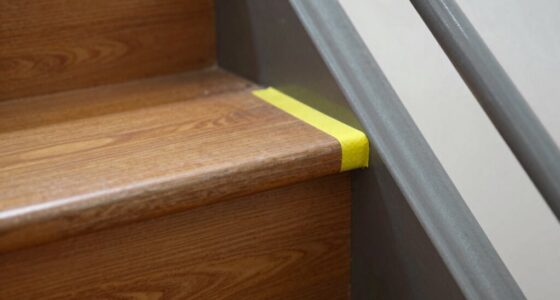
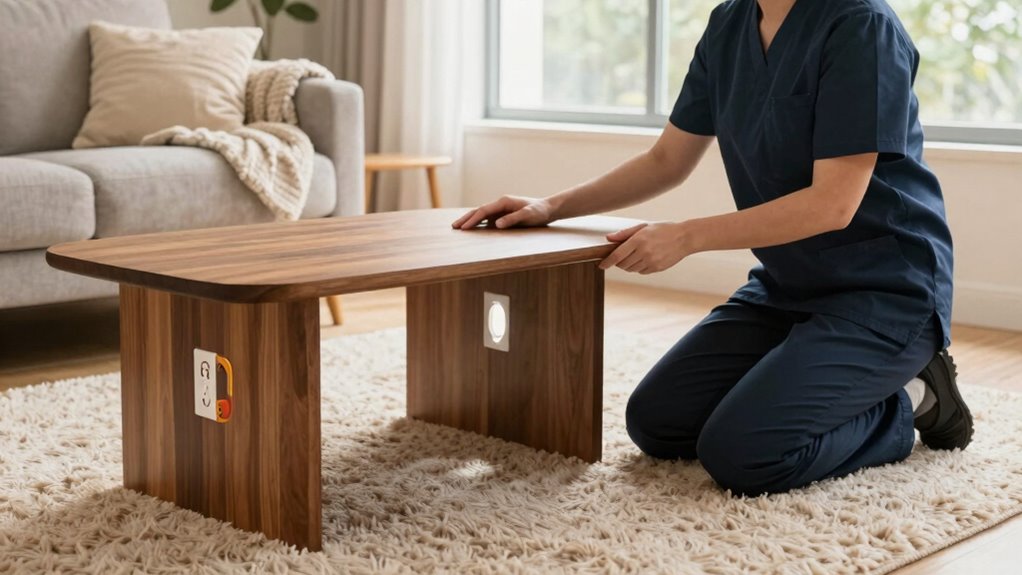
Finally, take a moment to assess the overall environment—look for trip hazards like loose rugs or uneven flooring, and secure furniture or objects that might fall. Don’t forget to review safety tips for children or pets, ensuring they can’t access dangerous items or areas. A thorough home safety walkthrough is a proactive way to prevent accidents and strengthen your emergency preparedness. Making these checks a weekly habit empowers you to create a safer environment, giving everyone in your household the confidence that you’re doing everything possible to protect them from harm.
smoke and carbon monoxide alarm batteries replacement kit
As an affiliate, we earn on qualifying purchases.
As an affiliate, we earn on qualifying purchases.
Frequently Asked Questions
How Often Should I Perform a Home Safety Walkthrough?
You should perform a home safety walkthrough at least once a month to spot fire hazards and guarantee emergency preparedness. Regular checks help you identify potential risks like faulty wiring or clutter that could cause fires. By staying proactive, you reduce dangers and make sure your home is safe for everyone. Incorporate these inspections into your routine to keep fire hazards minimized and emergency plans up-to-date.
What Tools Are Recommended for a Thorough Safety Check?
Think of your safety check as a detective’s toolkit. You’ll need childproof locks to secure cabinets and drawers, a flashlight for dark corners, and a screwdriver to tighten loose fixtures. Don’t forget to test smoke detectors regularly to verify they’re working properly. A digital camera or smartphone helps document hazards, while a ladder allows you to reach high areas. These tools make your safety walkthrough thorough and effective.
How Can I Make My Home More Accessible for Mobility Issues?
To make your home more accessible for mobility issues, you should install assistive devices like grab bars, ramps, and stairlifts to improve safety and independence. Guarantee emergency exits are clear and easy to access, with wide doorways for wheelchair users. Consider adding non-slip mats and adequate lighting. Regularly check that all assistive devices are in good condition, and keep pathways clutter-free to reduce fall risks.
What Are Common Hazards Overlooked During Safety Inspections?
You might overlook fire hazards and electrical safety risks during inspections. Check for overloaded outlets, frayed cords, and improper storage of flammable materials. Make certain smoke detectors are working and easily accessible. Don’t forget to clear escape routes and keep fire extinguishers nearby. Regularly testing smoke alarms and inspecting wiring can prevent accidents, keeping everyone safe. These often-overlooked hazards are vital for a thorough home safety check.
When Should I Consult a Professional for Home Safety Concerns?
You should consult a professional when you notice persistent issues with emergency preparedness or fire safety measures that you can’t resolve yourself. If you detect faulty wiring, malfunctioning alarms, or structural hazards, it’s essential to get expert help. Professionals can assess risks accurately, guarantee your home complies with safety standards, and help you develop effective emergency plans, providing peace of mind knowing your home is as safe as possible.
Conclusion
Remember, safety isn’t a one-time task—it’s an ongoing process. By doing this quick walkthrough each week, you stay ahead of potential hazards and protect those you care for. As the saying goes, “An ounce of prevention is worth a pound of cure.” Stay vigilant, keep your home safe, and you’ll create a secure environment where everyone can thrive. Your efforts today make a safer tomorrow for your loved ones.
Halloween Picks
halloween
As an affiliate, we earn on qualifying purchases.