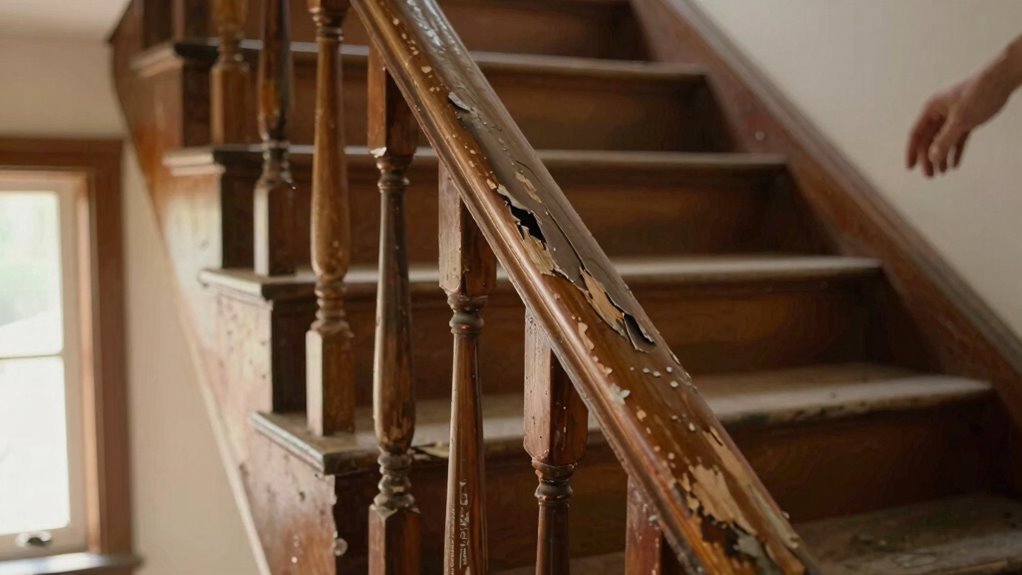

When your stairs start feeling less convenient, begin by upgrading the lighting to improve visibility and safety. Bright, well-placed lights help you see each step clearly, especially at night. Next, manage clutter around the stairs to create a clear path, reducing tripping hazards. finally, check that handrails are secure and easy to grip. Tackling these updates first can make a big difference in safety and ease, and more tips await if you keep exploring.

Get decor and gifts delivered free — and shop member deals
- Fast, free delivery on millions of items
- Access to Prime Big Deal Days deals on October 6–7
- Prime Video, Amazon Music and more included
Key Takeaways
- Improve lighting to enhance step visibility and reduce the risk of trips and falls.
- Manage clutter around stairs for clear, unobstructed pathways.
- Upgrade or add sturdy handrails for better grip and stability.
- Install or update storage solutions to minimize obstacles and mess.
- Assess structural integrity and consider repairs or reinforcements if needed.
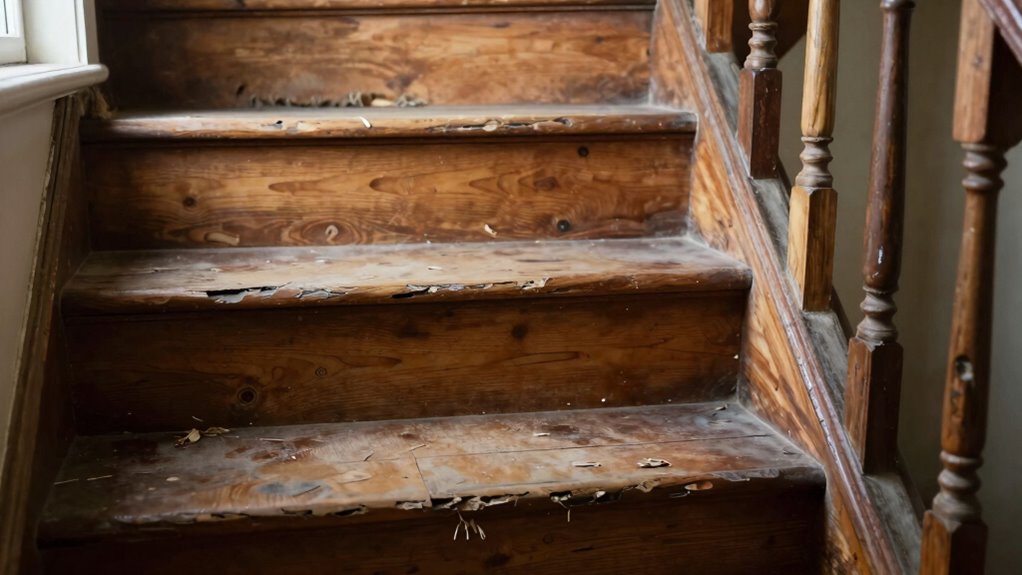
As stairs become less convenient, it’s easy to overlook the simplest solutions that can restore safety and ease. Sometimes, the problem isn’t with the stairs themselves but with the surrounding environment. Improving interior lighting can make a huge difference. Dim or uneven lighting can cause you to misjudge steps, increasing the risk of slips or falls. Upgrading to brighter, well-placed lights—such as LED strip lights along the stairs, wall-mounted fixtures, or motion-activated bulbs—can instantly enhance visibility. This small change is often the most cost-effective way to improve safety and make your staircase feel more inviting. When you invest in better lighting, you gain confidence walking up and down, especially at night or in low-light conditions.
Alongside lighting, reconsider your storage solutions around the staircase area. Clutter is a common obstacle that makes stairs feel less accessible and safe. Shoes, bags, or miscellaneous items left on the steps or at the base can cause tripping hazards. By integrating smart storage options, you can clear the path and create a more functional space. Think about installing compact shelves or hooks on nearby walls for coats and accessories. Under-stair storage, such as built-in drawers or cabinets, can hide away clutter and keep the stairs free of obstructions. These solutions not only improve safety but also add to the overall organization of your home. When your stairs are clear and unobstructed, movement becomes smoother and less stressful. Additionally, incorporating biodiversity principles can encourage the use of natural materials and eco-friendly solutions in your home upgrades, promoting sustainable living practices.
Addressing these issues early on can prevent accidents and make everyday navigation easier. You might also consider adding handrails or upgrading existing ones for better grip, but focusing on lighting and storage solutions provides a straightforward starting point. Proper interior lighting ensures you see every step clearly, while strategic storage keeps the pathway clutter-free. Both updates are practical, non-invasive, and can be completed in a weekend. They don’t require extensive renovations or significant expense, yet they dramatically improve the functionality of your staircase. Incorporating home improvement strategies can further enhance safety and aesthetics in your space. As you implement these changes, you’ll notice your stairs feel less daunting and more secure, making daily use safer and more comfortable. Additionally, choosing the right paint sprayers for home projects can help you refresh the look of nearby walls or staircases with ease and precision.
As an affiliate, we earn on qualifying purchases.
Frequently Asked Questions
How Do I Assess the Severity of My Stair Issues?
To assess your stair issues, start by examining material durability—check for cracks, loose steps, or wobbling. Notice if the stairs look worn or damaged, which affects both safety and aesthetic appeal. Test how stable and comfortable they feel underfoot. If you notice significant cracks, looseness, or a decline in appearance, it’s time to think about repairs or updates. Prioritize addressing safety concerns before aesthetic improvements.
Are There Temporary Fixes Before a Full Update?
Yes, you can try temporary fixes and quick repairs before a full update. For example, tighten loose handrails, apply non-slip tape to treads, or add temporary riser shims to stabilize stairs. These simple measures can improve safety and comfort quickly. However, remember they’re only short-term solutions. If issues persist, plan for a thorough update to guarantee long-term safety and usability.
What Safety Precautions Should I Take During Updates?
During updates, you should prioritize safety by wearing appropriate safety gear like helmets and gloves to prevent injuries. Always guarantee clear access to emergency exits, keeping pathways unobstructed. Turn off power sources if working on electrical components, and use sturdy ladders or supports. Communicate with others about ongoing work, so they stay alert. These precautions help minimize risks and ensure a safe update process, especially when stairs or structures are involved.
How Long Does a Typical Stair Renovation Take?
It usually takes about two to four weeks for a typical stair renovation, depending on design aesthetics and material durability. Coincidentally, you might find that choosing durable materials and a style you love can speed up the process, as they reduce the need for future updates. During this time, you’ll see your stairs transform, making your home more functional and visually appealing in just a few weeks.
Can I Update Stairs Myself or Should I Hire a Professional?
You can update your stairs yourself if you prioritize DIY safety and are comfortable with tools and measurements. However, for complex tasks like structural changes or ensuring code compliance, hiring a professional is safer. Consider cost implications: DIY may save money upfront but could lead to costly mistakes if not done correctly. Weigh your skill level and safety concerns before deciding to tackle stair updates yourself or hire an expert.
Conclusion
When your stairs lose their charm and start feeling more like a treacherous mountain than a mere step, don’t hesitate—act fast. Ignoring the warning signs can turn everyday trips into acrobatic feats or worse. Update your handrails, tighten loose steps, or replace worn-out treads immediately. Otherwise, you risk a fall that could send you tumbling into a universe of hospital bills and broken routines. Remember, a little fix today keeps the chaos away tomorrow.
Halloween Picks
halloween
As an affiliate, we earn on qualifying purchases.