
TL;DR
A Veranda report gathers advice from auctioneer and appraiser Bene Raia and Lost Art Salon co-founder Rob Delamater on buying antique and vintage art. Their guidance includes inspecting works in person, asking about provenance and return policies, checking fit and hanging needs, and setting a budget before negotiating.
A Veranda report featuring auctioneer and appraiser Bene Raia and art dealer Rob Delamater sets out practical steps for buying antique and vintage art, from examining a work in person to asking about its history, price and return policy. The advice matters to shoppers weighing an appealing find against questions of condition, authenticity, cost and whether the piece will suit their home.
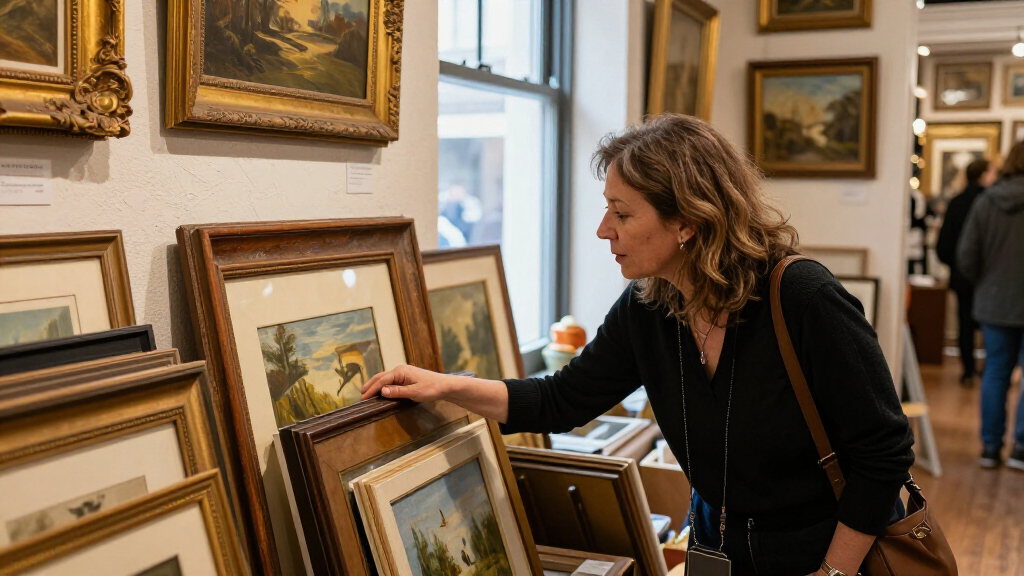
Raia says buyers should visit a reputable antique store or gallery when possible because a screen cannot show the full depth and texture of a work. “You have to look at the way the medium falls on the paper, board, or canvas,” she says. “You have to look at the depth, which you don’t get from looking at a screen.” For shoppers considering a costly or collectible piece, the report recommends asking the seller who made it, what is known about its history and provenance, how the seller acquired it, and whether the store accepts returns.
Before buying, shoppers can check whether a piece will fit the space by bringing a tape measure. Raia also advises confirming that a painting can be hung safely: if it is heavy, the buyer should check that the wall can support it or hire a professional. Delamater points to framing as another practical factor, saying a piece already in a frame the buyer likes may save the expense of having it framed later.
The report also advises setting a budget and buying the best quality a shopper can afford, rather than stretching for a piece simply because it seems collectible. Delamater suggests selecting several works of interest before asking for a combined price. He says a courteous question such as “What is the best price you feel comfortable offering?” is preferable to simply demanding a discount. Shoppers can also ask the proprietor whether there are other works in storage that might suit them.
A Better-Prepared Art Purchase
The advice addresses practical risks that can be hard to judge from a listing alone: surface, depth, framing and condition may be clearer in person, while the seller may be able to provide information not included in an online description. Questions about provenance and returns can help buyers understand what is known about a work before committing money, particularly when the price is high.
The report’s approach also puts personal enjoyment ahead of treating art as a guaranteed investment. Raia says a work can appeal because of its color, size, subject, genre or medium, and argues that the buyer should value the emotional response it produces. That framing may be useful to first-time collectors as well as experienced shoppers: a purchase still needs to fit the buyer’s budget, home and expectations, regardless of its appeal.
antique and vintage art appraisal guide
As an affiliate, we earn on qualifying purchases.
As an affiliate, we earn on qualifying purchases.
How Age Shapes the Categories
Raia describes antique art as generally more than a century old and vintage art as newer, typically around 50 years old. These are the approximate age categories given in the report; the supplied material does not set out a formal legal or industry-wide definition. The distinction helps explain why shops may offer works from quite different periods under the same broad shopping trip.
Delamater, co-founder of San Francisco’s Lost Art Salon, says the appeal of older works can include the sense of history they carry. “Antique art is inherently imbued with a sense of mystery,” he says. Raia, an auctioneer and appraiser at Raia Auctioneers, emphasizes that shoppers can be drawn to an artwork for many reasons, not only its maker or potential resale value. The report’s practical recommendations build on those perspectives without claiming that age or seller descriptions alone establish authenticity or value.
““You have to look at the way the medium falls on the paper, board, or canvas. You have to look at the depth, which you don’t get from looking at a screen.””
— Bene Raia, auctioneer and appraiser at Raia Auctioneers
What Buyers Still Need to Verify
The report offers shopping guidance, not an assessment of any particular artwork or seller. It does not provide a method for independently authenticating a work, establish whether a given account of its provenance is documented, or say that a signature proves who made it. Buyers should ask what evidence and records are available and distinguish a seller’s account from independently verified information.
Prices, condition, return policies and the availability of professional appraisal can vary by work and seller. The source does not provide standard fees, price benchmarks or a guarantee that negotiation will lower a price. It also does not say whether the recommendations apply equally in every market or jurisdiction.
Questions to Ask Before Buying
For shoppers considering a specific piece, the next step is to inspect it closely, ask the seller about the artist and available history, and confirm the price and return terms before paying. Buyers should measure their intended space and check any hanging requirements, including getting professional help if a heavy work may exceed what their wall can support. If several pieces appeal, they can ask whether the seller will offer a price for the group, while keeping to a budget they can afford.
The supplied report does not identify a pending event, market announcement or follow-up date. Its guidance is intended for use at the point of purchase; the details that matter most will depend on the work and the seller.
Key Questions
How does the report distinguish antique art from vintage art?
Raia describes antique art as generally more than 100 years old and vintage art as newer, typically around 50 years old. These are approximate descriptions in the report, not a stated universal standard.
Why inspect art in person?
Raia says an in-person view can reveal the medium’s texture and depth on paper, board or canvas—qualities that may not come through clearly in an image on a screen.
What should I ask a seller about a work?
Ask who the artist is, what is known about the work’s history and provenance, how the seller acquired it, and whether there is a return policy. Treat answers as the seller’s account unless supporting evidence is provided.
Should I buy antique art as an investment?
The experts quoted by Veranda advise buyers not to make investment potential the main reason for purchasing. Raia says to choose work that draws an emotional response, while staying within a realistic budget.
How can I negotiate the price?
Delamater suggests waiting until you have selected all the pieces you are interested in, then asking for a price for the group. He recommends being courteous and asking what price the seller is comfortable offering.
Source: rss