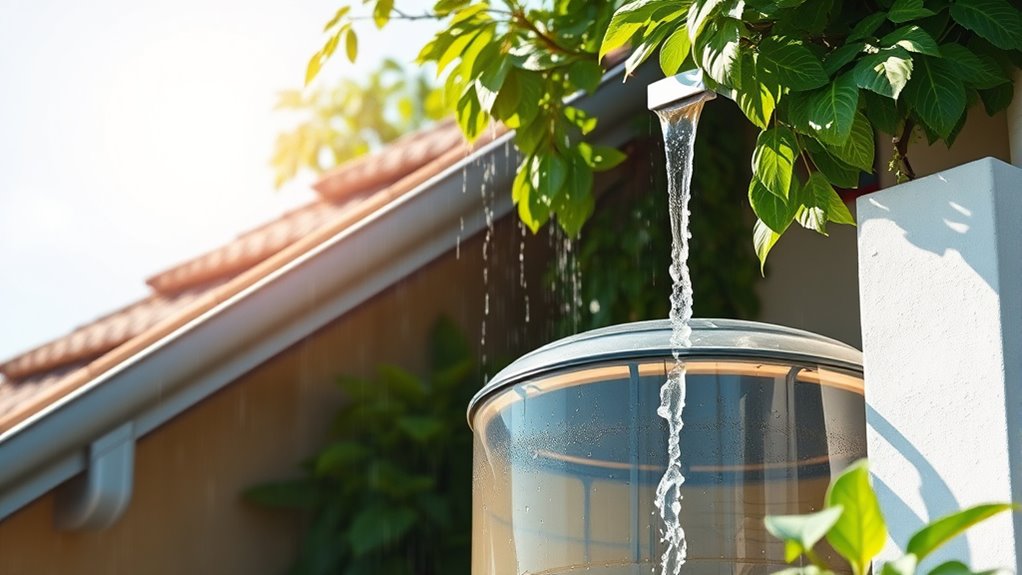

To implement rainwater harvesting systems, start by installing gutters and filters to collect clean rainwater from your roof. Regularly inspect and clean gutters, screens, and storage tanks to prevent debris buildup, algae, and bacteria growth. Repair leaks and replace worn components promptly to maintain system efficiency and water quality. Routine maintenance helps prolong your system’s lifespan and guarantees safe water for household or garden use. Continue exploring to learn more about effective techniques and long-term benefits.

Get decor and gifts delivered free with Prime
- Fast, free delivery on millions of items
- Prime Video, Amazon Music and more included
- Member-only deals all year
Key Takeaways
- Assess your site’s rainfall potential and water needs to design an effective system.
- Install gutters, filters, and storage tanks with screens to ensure water quality.
- Regularly inspect and clean components to prevent debris buildup and system clogging.
- Monitor system performance and promptly repair leaks or damages for efficiency.
- Maintain the system routinely to prolong lifespan and ensure safe, high-quality rainwater.
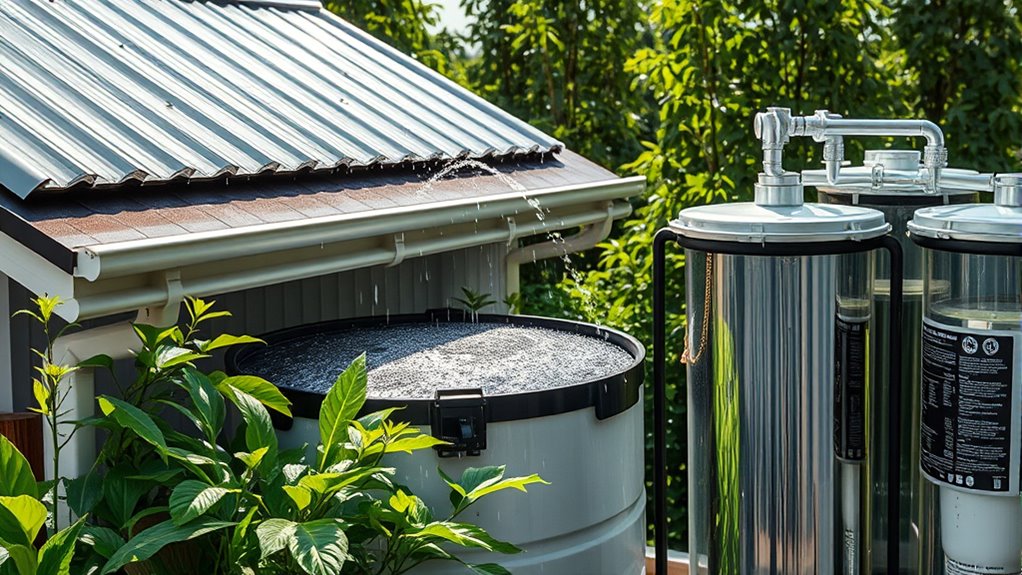
Have you ever considered how capturing rainwater can benefit your home and the environment? Installing a rainwater harvesting system allows you to collect and use rainwater, reducing your reliance on municipal water supplies and lowering your utility bills. But before you dive in, it’s vital to understand that maintaining good rainwater quality is essential for the system’s effectiveness and safety. Proper system maintenance ensures that the water you collect stays clean and safe for use, whether for irrigation, flushing toilets, or other non-potable purposes. Neglecting regular upkeep can lead to debris buildup, algae growth, and the proliferation of bacteria, which diminish rainwater quality and could cause issues down the line.
Proper maintenance of your rainwater system keeps water clean, safe, and effective for your needs.
To keep your system in top shape, you should routinely inspect and clean the gutters, filters, and storage tanks. Leaves, twigs, and dirt can easily clog your system and contaminate the water, so removing debris regularly is critical. Installing screens or mesh over gutters helps prevent larger debris from entering the system and reduces the frequency of cleaning. Additionally, you should check the filters and screens periodically to guarantee they’re free of obstructions, allowing smooth water flow and maintaining high rainwater quality. Flushing out the storage tanks every so often helps remove sediments and prevent algae buildup, which can compromise water clarity and safety. Regular inspection of the storage tanks and pipes** is also crucial to detect any leaks or damage early, preventing contamination**.
Monitoring your system’s components is another key aspect of maintenance. Over time, parts like pipes, valves, and fittings can wear out or develop leaks, leading to contamination risks or water loss. Regularly inspecting these parts helps you catch problems early, saving you money and avoiding potential health hazards. In some cases, disinfecting the storage tanks with appropriate solutions is necessary to eliminate bacteria and maintain water purity. Also, be aware of any foul odors or discoloration, which might signal contamination or stagnation, requiring immediate action.
Investing time in system maintenance not only prolongs the lifespan of your rainwater harvesting setup but also guarantees that the water remains safe and of high quality. When properly maintained, your system becomes a sustainable, reliable source of water that benefits your household and helps conserve natural resources. Remember, a little effort goes a long way in making sure your rainwater harvesting system functions at its best, providing you with clean, safe water, and contributing positively to the environment. Regular checks, cleaning, and prompt repairs make all the difference in achieving a successful, eco-friendly rainwater harvesting system that serves your needs well into the future.
rainwater harvesting system components
As an affiliate, we earn on qualifying purchases.
As an affiliate, we earn on qualifying purchases.
Frequently Asked Questions
How Much Does a Rainwater Harvesting System Typically Cost?
A rainwater harvesting system typically costs between $1,000 and $5,000, depending on size and complexity. You should do a cost analysis to understand your needs and plan your budget effectively. Smaller systems for a garden might be affordable, while larger setups for homes or farms require more investment. By planning carefully, you can guarantee the system fits your budget and maximizes your water-saving benefits.
Are There Legal Restrictions for Installing Rainwater Harvesting Systems?
You should verify local regulations because legal compliance varies by area. Some regions have restrictions on collecting rainwater due to water rights laws or existing water rights agreements. Before installing a rainwater harvesting system, make sure you understand these rules to avoid legal issues. Contact your local water authority or government office to get accurate information and ensure your setup adheres to all legal restrictions.
What Maintenance Is Required for Long-Term System Efficiency?
You need to regularly check and maintain your rainwater harvesting system for long-term efficiency. Clean the system filters to prevent blockages and guarantee water quality. Additionally, clean the storage tank periodically to remove sediments and prevent algae growth. Inspect gutters and downspouts for debris, and ensure all components are in good condition. Consistent maintenance keeps your system functioning effectively and prolongs its lifespan.
Can Rainwater Harvesting Systems Be Integrated With Existing Plumbing?
Like fitting a key into a lock, rainwater harvesting systems can indeed be integrated with your existing plumbing if you guarantee system compatibility. You’ll need to assess your plumbing setup and possibly install a diverter valve for smooth plumbing integration. Consulting a professional helps you avoid leaks or clogs, making the shift seamless. Proper integration not only conserves water but also enhances your system’s efficiency and sustainability.
What Are the Best Locations for Rainwater Collection and Storage?
You should place rainwater collection systems where rainfall patterns are consistent, such as roofs or open areas with minimal obstructions. Guarantee your storage capacity matches your water needs, considering seasonal rainfall variations. Gutters and downspouts should direct water efficiently into storage tanks. Position tanks on level ground or elevated platforms for gravity flow, and keep them away from direct sunlight to prevent algae growth. Proper location maximizes collection and prolongs system lifespan.
Conclusion
Now that you’ve learned how to implement rainwater harvesting systems, imagine the possibilities waiting just beyond your reach. With each drop you capture, you’re one step closer to a sustainable future—saving money, conserving resources, and gaining independence from unpredictable water supplies. But the real question is: are you ready to take that first step? The rain is falling, and your opportunity to make a difference is right in front of you. Will you seize it?
Fall Picks
fall essentials
As an affiliate, we earn on qualifying purchases.