
TL;DR

Get decor and gifts delivered free — and shop member deals
- Fast, free delivery on millions of items
- Access to Prime Big Deal Days deals on October 6–7
- Prime Video, Amazon Music and more included
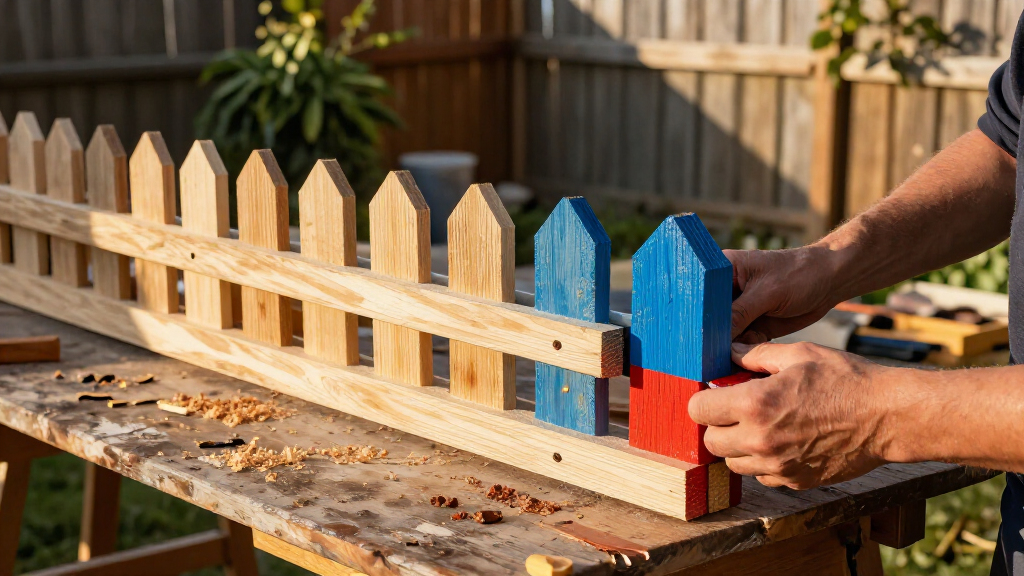
Paint on the ends of lumber can help reduce cracking as freshly cut wood dries, and mills or retailers may also use colors to identify products. There is no standard U.S. color code, so shoppers should not infer a board’s grade, species or size from paint alone.
Paint on the ends of lumber can help limit drying cracks or identify a supplier’s product, according to a Family Handyman report citing forestry research and lumber-industry sources. But the colors do not follow a standard U.S. code, so a blue, red or green end does not by itself confirm a board’s size, grade or wood species.
One use is to slow moisture loss from freshly cut lumber. The exposed end grain can dry faster than the board’s sides, and uneven drying can lead to cracks known as end checks. Coating the ends slows that loss of moisture, helping the wood dry more evenly; it does not stop the wood from drying.
The U.S. Department of Agriculture’s Forest Service and Forest Products Laboratory describe end coatings as a way to help prevent end checks during lumber drying. The report also cites Timber Custom Woods, which says coatings on logs and slabs are used to reduce cracking and splitting by slowing water loss. These explanations concern wood processing, not a guarantee that a finished board will be free of defects.
Paint can also work as an identification mark. Mills, producers and retailers may use colors to distinguish products, species, grades, brands or other categories within their own operations. For example, Dunn Lumber sells signature blue-end studs; in that case, blue identifies the retailer’s product line, not a universal lumber specification. A painted end can therefore have a practical purpose, but its meaning depends on who applied it.
Why Paint Alone Cannot Grade Lumber
For shoppers, the main takeaway is that paint is a clue, not a reliable substitute for product information. A color that marks a particular product at one mill or yard may mean something different elsewhere. Treating a color as a nationwide signal could lead buyers to mistake a supplier’s inventory label for a standard grade or dimension.
When choosing boards, inspect the lumber itself and check the information attached to the product or provided by the seller. Look at the dimensions, grade and visible defects relevant to the project, and ask the retailer what its color markings mean. The distinction matters because a coating intended to reduce drying defects and a color used for inventory identification are different functions, even when the same paint appears to do both.
As an affiliate, we earn on qualifying purchases.
Two Uses Behind Painted Ends
End-grain coatings are used during drying because moisture can escape more quickly from the cut ends than from the sides of a board. The Forest Service and Forest Products Laboratory research cited in the report links end coatings with efforts to reduce drying defects that can result in lost lumber value. The coating slows moisture loss at the ends; it does not seal the entire board against drying.
The identification use is separate and varies by business. U-C Coatings, a manufacturer of lumber paint, says end paints can be used to identify lumber categories or products. The report points to Dunn Lumber’s blue-end studs as one company-specific example. A Reddit discussion about blue-painted 2-by-4s also included differing explanations from users, illustrating why informal color interpretations should not be treated as a common standard.
““End coatings are typically used to help prevent end checks on sawn lumber during the drying process.””
— U.S. Department of Agriculture Forest Service and Forest Products Laboratory, as quoted in the Family Handyman report
What A Color Does Not Confirm
The purpose of a particular board’s paint cannot be established from its color alone. The report says there is no standard U.S. color code; meanings can differ among mills and lumber yards. Without information from the supplier, it may not be clear whether a marking relates to drying, inventory, a brand or another internal category.
The cited material does not set out a complete color key for the lumber trade, nor does it establish what any specific color means across suppliers. A buyer should confirm a marking’s meaning with the seller and use the board’s label or documentation for specifications rather than assuming the paint identifies its grade or species.
Check With The Lumber Seller
There is no industry-wide color chart identified in the report, so shoppers should ask the lumber yard or retailer what its markings represent. Before buying, compare the board against the project’s required size and grade, inspect for visible defects, and confirm product details with staff or the product label.
The cited sources describe existing drying practices and supplier-specific identification systems; they do not report a forthcoming change or a new national standard. The practical guidance remains the same: treat painted ends as potentially useful information, but verify what they mean locally.
Key Questions
Why are some lumber ends painted?
Paint or another coating can slow moisture loss through the end grain as freshly cut wood dries, which can help reduce cracking. Suppliers may also use paint to identify products or inventory categories.
Does blue paint mean a board has a particular size or grade?
No universal U.S. code gives blue a fixed meaning. A retailer may use blue for its own product line, but the color alone does not confirm a board’s size or grade.
Does end paint stop lumber from drying?
No. The coating slows moisture loss at the ends so the wood can dry more evenly; it does not stop the drying process.
How should I check what a painted mark means?
Ask the lumber yard or retailer. Check the product label or documentation for specifications, and inspect the board for the dimensions, grade and visible defects your project requires.
Source: rss
Fall Picks
fall essentials
As an affiliate, we earn on qualifying purchases.