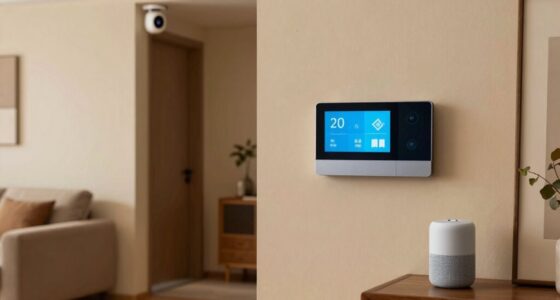
Smart sensors help you monitor conditions like temperature, humidity, and air quality quickly and accurately, providing instant feedback for automation and safety alerts. They can detect movement and hazards such as smoke or gas leaks, enhancing safety, and optimizing climate controls. However, they don’t replace human judgment, and environmental factors can cause inaccuracies or false alarms. To better understand their true capabilities and limitations, keep exploring how they fit into your systems.

Get decor and gifts delivered free with Prime
- Fast, free delivery on millions of items
- Prime Video, Amazon Music and more included
- Member-only deals all year
Key Takeaways
- Help monitor environmental conditions like temperature, humidity, and air quality for safety and automation purposes.
- Provide real-time data for automated responses, such as adjusting thermostats or alerting to hazards.
- Cannot fully replace human judgment in complex or unpredictable situations.
- May produce false alarms or miss signals due to environmental factors or technical glitches.
- Require regular maintenance and calibration to ensure accuracy and reliability over time.
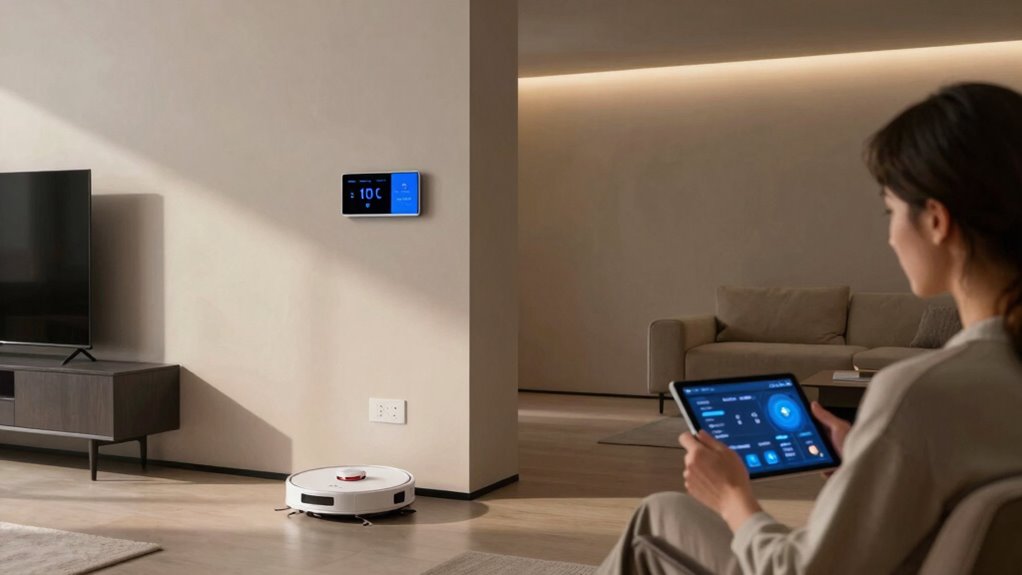
Smart sensors excel at collecting data quickly and accurately. Whether it’s monitoring temperature, humidity, motion, or even air quality, they provide instant feedback that can trigger automated responses. For example, a smart thermostat adjusts your home’s temperature based on occupancy or time of day, saving energy and keeping you comfortable. In security, motion sensors alert you to movement in restricted areas, boosting safety. They can also track environmental conditions to warn you about potential hazards, like smoke or gas leaks, before they become dangerous. Their ability to collect real-time data** makes them invaluable for proactive safety measures. However, it’s important to recognize their limitations. Sensor constraints mean they don’t always provide perfect data. Sometimes, environmental factors or technical glitches cause false alarms or missed signals. For instance, a motion sensor might be triggered by a pet or a passing car, leading to unnecessary alerts. Sensors also have limited ranges, so they might not capture data from distant or obstructed areas. Additionally, integrating multiple sensors into a seamless system can be complex and may require ongoing calibration. Calibration challenges can impact the accuracy and reliability of sensor data over time, making regular maintenance essential. Regular system calibration helps ensure sensors remain accurate and reliable. Data privacy is another critical issue. As smart sensors gather sensitive information—like your daily routines, health data, or security footage—concerns about who has access to that data grow. If not properly secured, this data can be vulnerable to hacking or misuse. Companies may collect and analyze your data to improve their products or target advertising, but they often don’t clearly explain how they handle your information. That’s why understanding the privacy policies behind your smart sensors is essential. You need to verify that your data is protected and that you’re comfortable with how it’s being used. While smart sensors are invaluable for automating tasks and enhancing safety, they aren’t a catch-all solution. They can’t fully replace human judgment, especially in complex or unpredictable situations. Nor can they detect every nuance or subtle change that a human might notice. Environmental factors, such as weather or obstructions, can also influence sensor performance and accuracy. Being aware of their limitations helps you set realistic expectations and avoid overreliance. Ultimately, smart sensors can assist you considerably, but they work best when integrated thoughtfully into a holistic approach that balances automation with personal oversight and privacy awareness. Recognizing the importance of sensor limitations** ensures you’re making informed decisions about their use and effectiveness.
smart temperature and humidity sensor
As an affiliate, we earn on qualifying purchases.
As an affiliate, we earn on qualifying purchases.
Frequently Asked Questions
How Secure Are Smart Sensors Against Hacking?
Smart sensors’ security varies, but they can be vulnerable to cybersecurity vulnerabilities and unauthorized access if not properly protected. You should guarantee strong passwords, regular software updates, and encryption to reduce risks. While they offer advanced monitoring and automation, it’s crucial to stay aware of potential hacking threats. Implementing robust security measures helps protect your smart sensors from being exploited by cybercriminals and keeps your data safe.
What Is the Cost Range for Implementing Smart Sensors?
Oh, the thrill of investing in smart sensors! You’ll spend anywhere from $50 to $500 per sensor, depending on features like sensor calibration and data integration capabilities. Keep in mind, the more sophisticated the sensor, the higher the cost—just like your coffee addiction. Budget accordingly, and remember, quality sensors might save you headaches later, but they’ll definitely stretch your wallet today. Happy sensing!
Do Smart Sensors Require Specialized Maintenance?
Smart sensors do require specialized maintenance, but it’s generally manageable. You need to perform regular sensor calibration to guarantee accuracy, and monitor energy consumption to optimize efficiency. Calibration helps keep data precise, while managing energy use prevents unnecessary power drain. Often, maintenance involves software updates and occasional hardware checks. Staying proactive with these tasks ensures your smart sensors function correctly, providing reliable data and lasting performance.
How Do Smart Sensors Impact Data Privacy?
Smart sensors impact data privacy by collecting sensitive information, which raises concerns about security. While data encryption helps protect your data from unauthorized access, you still need to give informed user consent before your data is gathered. This juxtaposition highlights the balance between technological advancement and privacy rights. You should stay aware of how your data is used, ensuring your privacy isn’t compromised despite the benefits of smart sensor technology.
Are Smart Sensors Compatible With Existing Systems?
Smart sensors are generally compatible with existing systems, but you might face compatibility issues or integration challenges. You’ll need to check if their communication protocols match your current setup or if additional adapters are necessary. Sometimes, firmware updates or software adjustments are required to guarantee smooth integration. Staying aware of potential compatibility issues helps you plan better, avoiding disruptions and maximizing the sensors’ benefits within your existing infrastructure.
Conclusion
Smart sensors can transform your environment by providing real-time data that improves efficiency and safety. However, they aren’t a cure-all; they can’t replace human judgment or address every complex scenario. Did you know that the global smart sensor market is expected to reach $28 billion by 2026? This growth highlights their potential, but remember, technology works best when paired with human expertise, not as a complete substitute. Use them wisely to maximize their benefits.
Halloween Picks
halloween
As an affiliate, we earn on qualifying purchases.