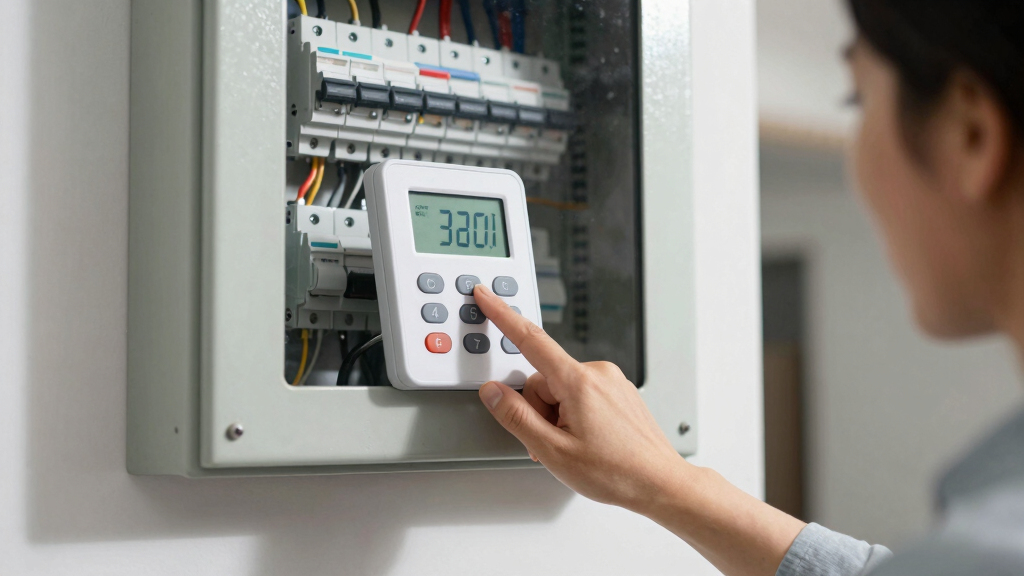

Finding the best energy monitoring devices for home depends on your specific needs—whether you want detailed circuit-level data or simple appliance tracking. The Refoss Smart Home Energy Monitor stands out as the overall best choice thanks to its open API and local data storage, offering flexibility for tech-savvy users. The Emporia Vue 3 provides comprehensive circuit monitoring suitable for larger homes or solar setups, while the TP-Link Tapo Smart Plugs deliver a budget-friendly solution for individual appliances. Many options balance detailed insights against ease of installation, with tradeoffs often involving complexity, cost, and data privacy. Continue reading to see how each device stacks up and which one suits your home and budget best.
Key Takeaways
- Circuit-level monitoring provides the most detailed energy data but can be more complex to install and interpret.
- Local data storage and open APIs offer greater privacy and customization options, favored by tech enthusiasts.
- Budget options like smart plugs deliver simplicity and affordability but lack comprehensive circuit insights.
- Compatibility with smart home platforms varies; choosing a device aligned with existing systems simplifies integration.
- Higher-priced models typically include features like solar metering and bi-directional power tracking, ideal for advanced setups.


More Details on Our Top Picks
Refoss Smart Home Energy Monitor, Native Open API & Web UI (No Cloud Required), Real Time Electricity Usage Monitor, Power Consumption Meter Works with Home Assistant & MQTT, Solar Net Metering, ETL
This pick stands out for its emphasis on local data control and privacy, making it ideal for users wary of cloud reliance. Unlike the Meross or Siemens options, which connect to cloud services for real-time updates, the Refoss monitor operates entirely within your home network, supporting Open API and MQTT integrations without subscriptions. Its installation supports circuits up to 200A, with clamp-on sensors that are straightforward for those comfortable working with electrical panels, though it’s recommended to use an electrician. The real-time monitoring with ±1% accuracy can help identify hidden energy drains, especially in solar-powered homes aiming to maximize self-consumption. However, the setup may be less user-friendly for complete beginners, and the hardware complexity can be daunting without electrical experience. This device suits tech-savvy homeowners prioritizing data privacy and custom automation, but may be less ideal for those seeking plug-and-play simplicity.
Pros:- Supports local data access via Web UI, Open API, and MQTT, no cloud dependency
- Seamless integration with Home Assistant & OpenClaw AI for automation
- Maximizes solar self-consumption with surplus power automation
- No subscription fees, exportable historical data up to 5 years
Cons:- Installation requires working inside the electrical panel, best suited for professionals
- Interface and setup can be complex for non-technical users
- Limited to circuits compatible with clamp-on sensors without reconfiguration
Best for: Homeowners who value privacy, local data control, and seamless Home Assistant integration.
Not ideal for: Renters or those uncomfortable with electrical panel work or DIY installation.
- Maximum Current:200A
- Supports Circuit Sensors:16 branch, 2 main
- Communication Protocols:Open API, MQTT
- Installation Type:Clamp-on, panel supported
- Accuracy:±1% of current
- Data Storage:Up to 5 years exportable
Bottom line: Ideal for tech-savvy users who prioritize privacy and custom home energy automation, but not for those seeking an easy, plug-and-play solution.
B0C7B1LKDW
Compared with the more advanced and open-source-focused Refoss or Meross options, this model makes setup straightforward, ideal for users who want quick results without complex wiring or integrations. Its design, featuring simple circuit sensors and a user-friendly app, is perfect for homeowners who prefer plug-and-play solutions, especially if they’re less comfortable working with electrical panels. The device supports circuits up to 60A, with easy clamp-on sensors that were reported to install quickly, though some users noted the wire mess can be cluttered. The intuitive app displays voltage, current, watts, and power factor with historical charts, enabling anyone to monitor power over time. The main tradeoff is that it doesn’t support advanced automation or local control options like the Siemens or Meross monitors, making it less suited for power users or those who want full privacy. This is a solid choice for DIY homeowners seeking basic energy insights with minimal fuss.
Pros:- Easy clamp-on sensors and straightforward app interface
- Supports circuits up to 60A for basic household monitoring
- No complex wiring or professional installation required
- Provides voltage, wattage, and historical power data
Cons:- Limited circuit capacity (up to 60A) may not cover larger homes
- Messy wiring with longer sensor cables can look cluttered
- Lacks open API, local control, or automation integrations
Best for: Homeowners wanting a simple, quick-to-install energy monitor without advanced automation needs.
Not ideal for: Tech enthusiasts or solar users seeking deep integration or local control features.
- Supported Circuits:Up to 60A
- Connectivity:App via Wi-Fi
- Installation:Clamp-on sensors
- Monitoring Capabilities:Voltage, Power, Watt-hour
- Warranty:Not specified
- Supported Systems:Single-phase
Bottom line: Best suited for homeowners seeking a simple, no-fuss energy monitor without the need for automation or local control.
Meross Smart Energy Consumption Monitor with 18 Circuit Monitoring, Electricity Usage Monitor, Real-Time Power Usage Monitor, Home Assistant Support, Smart Alerts, No Subscriptions, 2-Year Warranty
This model excels at providing detailed circuit-level insights, supporting up to 18 monitored circuits with clamp-on sensors, similar in scope to the Siemens and Refoss devices but with an easier DIY installation process. The app displays voltage, amps, watts, and power factor, with real-time updates and historical charts, making it perfect for users who want to identify energy hogs and track usage over time. It integrates smoothly with Home Assistant, offering local control with no subscriptions, and supports surplus solar automation, which is valuable for solar-powered homes. Compared to the Siemens device, it has a slightly smaller circuit capacity but is more accessible for DIY installation. However, some users reported that the app interface can be less intuitive and that wiring can look cluttered. It’s a solid choice for users seeking circuit-level visibility with local automation support, but less ideal for those needing extensive customization or larger circuit capacity.
Pros:- Supports 18 circuits with clamp-on sensors
- Supports Home Assistant for local automation
- No subscription fees; full data privacy
- Real-time power and voltage monitoring with historical data
Cons:- Limited to 18 circuits, may not suit large homes
- App interface can be less intuitive for some users
- Wiring may appear cluttered with multiple sensors
Best for: Homeowners wanting detailed circuit monitoring with easy DIY setup and Home Assistant integration.
Not ideal for: Users requiring extensive circuit coverage beyond 18 circuits or advanced automation features.
- Circuit Monitoring:Up to 18 circuits
- Supported Platforms:Home Assistant
- Communication:Local Web UI, API
- Accuracy:±2%
- Warranty:2 years
- Supported System:Single-phase
Bottom line: Ideal for DIY homeowners seeking circuit-specific insights with local control and automation compatibility.
Refoss Smart Home Energy Monitor Real-Time Electricity Usage Monitor with 16x60A Circuit Sensor, Energy Meter, Local Data Storage with Open API & Web UI, Home Assistant, Solar Metering, ETL Certified
Compared to Meross or Siemens, this model emphasizes comprehensive circuit monitoring with 16 clamp-on sensors supporting circuits up to 60A, making it well-suited for detailed home audits and solar self-consumption optimization. Its support for local data storage, Open API, and Web UI ensures privacy and flexible integration with Home Assistant, appealing to users who want detailed insights without cloud dependence. The device’s setup is straightforward with clamp-on sensors, and the real-time data helps identify energy inefficiencies and potential savings. It also supports surplus solar management, similar to the Siemens device, to maximize renewable energy use. Nevertheless, its wiring complexity can be intimidating for some, and the cluttered appearance may be a concern. This is an excellent choice for homeowners who want in-depth circuit analysis and privacy, but less suited for those looking for a simple plug-and-play monitor.
Pros:- Supports 16 circuits with clamp-on sensors
- Supports local data storage, Open API, Web UI
- Supports Home Assistant integration without cloud reliance
- Enables surplus solar automation for increased savings
Cons:- Wiring complexity with 16 sensors can be cluttered
- Installation may require electrical knowledge
- Wiring mess can look untidy
Best for: Energy-conscious homeowners aiming for detailed circuit audits and solar self-consumption improvements.
Not ideal for: Users who prefer minimal installation effort or have limited space for multiple sensors.
- Circuit Support:16 circuits, 60A sensors
- Data Storage:Local, 5-year CSV export
- Connectivity:Open API, Web UI
- Supported Systems:Single-phase
- Accuracy:±1%
- Warranty:2 years
Bottom line: Excellent for users seeking detailed circuit-level data with full privacy and Home Assistant support, but not for those wanting a quick setup.
SIEMENS Inhab Smart Home Energy Monitor with 16-50Amp Circuit Level Sensors and 2-200Amp Main Sensors for Real Time Electricity Monitoring and Metering
This device is suitable for users who want enterprise-grade monitoring with robust hardware supporting circuits up to 50A and main sensors up to 200A. It supports real-time data and integrates with a dedicated mobile app, similar to the Meross and Refoss options but with a focus on rigorous standards and compliance (CE, UL). Its hardware setup involves connecting sensors at the panel, which may require professional installation, but it offers comprehensive monitoring across multiple circuits, ideal for larger or more complex homes. The Siemens monitor excels at providing detailed, accurate data for energy management and supports features like peak demand and load shedding, making it highly suitable for those who want a full-featured, professional-level system. The primary tradeoffs are higher cost and installation complexity, which may be overkill for small or simple households. This is best for homeowners seeking a durable, precise system with extensive circuit coverage.
Pros:- Supports circuits up to 50A, main sensors up to 200A
- CE and UL certifications ensure safety and quality
- Real-time monitoring with dedicated app
- Supports advanced energy functions like load shedding
Cons:- Complex installation requiring professional wiring
- Higher price point compared to other monitors
- Less suited for small or rental homes
Best for: Large households or professionals needing comprehensive, high-capacity energy monitoring with full automation and control.
Not ideal for: Small homes or users seeking quick, DIY installation without professional help.
- Circuit Support:16 circuits, 50A sensors
- Main Sensors:200A
- Standards:CE, UL
- Real-Time Data:Yes
- Automation Support:Peak demand, load shedding
- Installation:Professional recommended
Bottom line: Ideal for large or professional installations demanding high accuracy, extensive circuit coverage, and advanced energy management features.
Emporia Vue 3 Home Energy Monitor – Smart Home Automation Module and Real Time Electricity Usage Monitor, Power Consumption Meter, Solar and Net Metering for UL Certified Safe Energy Monitoring
This model stands out for its UL certification, providing peace of mind alongside detailed real-time energy data. Compared to the Emporia Energy Monitoring Smart Plug, the Vue 3 offers a comprehensive view of whole-home usage, including solar and net metering support. While it provides more detailed insights and automation options, it involves a more complex installation within the circuit panel, which might be daunting for some homeowners. Its safety certification is a strong advantage over less certified devices like the TP-Link Tapo P115. The tradeoff is that setup requires handling high-voltage wiring, making it less suitable for DIY beginners. This pick makes the most sense for homeowners seeking reliable safety, extensive automation, and detailed energy management.
Pros:- UL safety certification ensures reliable electrical safety standards
- Supports solar and net metering for renewable energy tracking
- Automates energy management with real-time control
Cons:- Requires installation inside the circuit panel, which can be complex
- Higher cost and installation complexity compared to plug-in options
Best for: Homeowners who want a robust, UL-certified device with advanced automation and solar net metering support.
Not ideal for: Renters or DIY enthusiasts uncomfortable with circuit panel installation or high-voltage wiring.
- Safety Certification:UL Listed
- Installation Type:Circuit Panel
- Supported Systems:Single phase, 3-phase with additional sensor
- Monitoring Accuracy:±2%
- Connectivity:2.4 GHz WiFi
- Data Retention:Indefinite in cloud, 3 hours live
Bottom line: Ideal for homeowners prioritizing safety, automation, and comprehensive energy monitoring at the circuit level.
Eyedro Home Energy Monitor – Real-Time Electricity Usage Monitor with Solar Net Metering-Whole House Power Consumption Monitor–WiFi/Ethernet Smart Energy Meter with Reports & History, 2 Sensors
This monitor excels at providing accurate, real-time data for entire home energy use, supporting both WiFi and Ethernet connections. Unlike the Emporia Vue 3, it offers a straightforward setup with two sensors for whole-house or solar net metering, making it ideal for off-grid or DIY users who want reliable data without complex installation. Its compatibility with WiFi and Ethernet provides flexible connectivity options, but its lack of advanced automation features means it’s less suited for automated energy management. The device’s focus on simplicity and accuracy makes it a good choice for those who prefer basic but dependable monitoring. The main tradeoff is fewer automation capabilities compared to integrated smart home systems.
Pros:- Reliable ±2% accuracy for whole-home and solar net metering
- Supports both WiFi and Ethernet connections for flexible setup
- Simple installation with two sensors for comprehensive coverage
Cons:- Limited automation and smart features
- Requires two sensors for complete monitoring, increasing setup cost
Best for: DIY homeowners, off-grid users, and solar enthusiasts seeking simple, accurate energy data without complex installation.
Not ideal for: Homeowners looking for advanced automation or integration with smart home hubs like SmartThings or Alexa.
- Monitoring Accuracy:±2%
- Connectivity:WiFi and Ethernet
- Sensors Included:2 x 200A sensors
- Supported Systems:Whole house, solar, net metering
- Data Storage:Reports & history via cloud
Bottom line: Best suited for users who want dependable, straightforward energy tracking without the need for complex automation.
TP-Link 𝗧𝗮𝗽𝗼 Smart Plug Wi-Fi Mini, Energy Monitoring, Compatible with Alexa & Google Home & Samsung SmartThings, Timer, 15A/1800W Max, ETL Certified, 2.4G Wi-Fi Only, Tapo P115(4-Pack)
This compact plug provides easy-to-understand energy tracking through its app, making it a good choice for casual users. Compared to the Emporia Vue 3 and other circuit-level monitors, the Tapo P115 offers plug-in convenience and voice control compatibility, but only for individual devices rather than whole-home insights. Its timers and scheduling are useful for managing specific appliances, and the device’s ETL certification adds safety confidence. However, it’s limited to 15A and doesn’t provide detailed power consumption breakdowns, which makes it less suitable for comprehensive energy management. The tradeoff is that it’s more affordable and easier to install but offers fewer insights.
Pros:- Easy installation with app-based energy tracking
- Supports voice control via Alexa, Google, and SmartThings
- Timer and scheduling features for automation
Cons:- Limited to 15A maximum load, less for high-power appliances
- Provides device-level, not whole-home, energy data
Best for: Users seeking affordable, simple energy monitoring for specific devices or appliances without complex setup.
Not ideal for: Homeowners wanting whole-house energy insights or automation integration beyond individual outlets.
- Operation Mode:Automatic
- Current Rating:15A
- Max Wattage:1800W
- Connectivity:2.4 GHz WiFi
- Compatibility:Alexa, Google, SmartThings
Bottom line: Best for budget-conscious users wanting simple device-level energy monitoring and automation.
Emporia Energy Monitoring Smart Plug, WiFi Smart Outlet Plug Works with Alexa and Google Home – 15a WiFi Outlet with Timer, Mobile App, Home Energy Monitor, Scheduling – 2.4ghz WiFi Only (4 Pack)
This smart plug combines remote control and energy monitoring for individual appliances, suitable for users who want to manage lights, fans, or small devices. Unlike circuit-level monitors, this plug offers easy setup and control via app and voice, making it ideal for quick automation. Its built-in timer and scheduling enhance energy efficiency and convenience, but it’s limited to a 10A max load, which restricts use with high-power devices. While it provides real-time energy data, it doesn’t offer the comprehensive insights of whole-home monitors like the Emporia Vue 3 or Eyedro. This makes it a good choice for targeted, device-specific management rather than broad energy oversight.
Pros:- Easy setup with remote control and voice commands
- Includes timer and scheduling for automation
- Supports multiple smart home platforms
Cons:- Limited to 10A load, not suitable for high-power devices
- Provides device-level, not whole-home, energy insights
Best for: Users wanting remote control and energy monitoring for specific appliances or small devices.
Not ideal for: Those seeking comprehensive whole-house energy data or automation for multiple circuits.
- Operation Mode:ON-OFF
- Current Rating:10A
- Max Wattage:1200W
- Connectivity:2.4 GHz WiFi
- Compatibility:Alexa, Google, Home Assistant
Bottom line: Great for targeted device management and energy savings in individual appliances, but not for whole-house monitoring.
This device excels at multi-circuit monitoring, making it ideal for rental homes, shared apartments, or multi-room properties. Unlike the Emporia Vue 3, which focuses on whole-home data, this monitor supports up to 16 independent circuits plus additional sensors, enabling granular energy tracking and billing management. Its compatibility with Home Assistant and local data storage options appeal to DIY and privacy-conscious users. The main tradeoff is that setup is more complex, requiring sensor placement on multiple circuits, which can be daunting for non-technical users. Its focus on rental property management makes it less suitable for typical residential use without multiple circuits.
Pros:- Supports up to 16 individual circuits for detailed tracking
- Local data storage and open API for privacy and customization
- Compatible with Home Assistant for advanced automation
Cons:- Complex installation process requiring sensor placement on multiple circuits
- Higher price point and setup effort compared to simple monitors
Best for: Landlords or property managers needing precise, circuit-level energy tracking for billing or management.
Not ideal for: Homeowners who want simple whole-home monitoring without circuit-specific data.
- Number of Circuits:16
- Sensors Included:16 x 50A + 2 x 200A sensors
- Data Storage:Local & API access
- Connectivity:WiFi
- Supported Platforms:Home Assistant
Bottom line: Perfect for rental or shared property management needing detailed circuit-level energy data and privacy control.
Smart Home Energy Monitor with 2 x 120A CTs, Live Electricity Usage Tracking, Bi-Directional Power Tracking, Supports Single-Phase 3-Wire System, 2.4GHz Wi-Fi (WiFi Version)
This energy monitor stands out for its highly accurate bi-directional power tracking, making it ideal for homes with solar systems. Unlike the Emporia Vue, which excels in whole-home monitoring, this device offers precise export measurements to the grid, supporting dynamic load balancing and solar net metering. Its plug-and-play installation with split-core CTs simplifies setup, but it may lack extensive circuit-level detail compared to Vue’s 16 sensors. The configurable reporting and smart app integration enable real-time insights and automation for energy efficiency. However, its focus on export/import accuracy means it’s less suited for detailed appliance-level monitoring. This pick is perfect for solar owners aiming to optimize energy export and consumption, especially with systems supporting bidirectional power flow.
Pros:- Supports bi-directional power monitoring with Class 1 accuracy
- Optimized for solar and grid export measurement
- Easy plug-and-play installation with split-core CTs
- Smart app with real-time analysis and automation
Cons:- Limited circuit-level detail—lacks multiple sensors for appliance-specific data
- Designed primarily for export/import, not detailed energy use per device
Best for: Homeowners with solar panels or battery storage systems seeking precise export/import data and energy management.
Not ideal for: Households needing detailed circuit-level monitoring or comprehensive appliance tracking without solar relevance.
- Power Source:Wi-Fi
- Compatible Devices:Smartphones
- Monitoring Type:Bi-Directional, Solar & Grid
- Installation:Plug-and-play with split-core CTs
- Wi-Fi Frequency:2.4GHz
- Accuracy:Class 1
- Supports:Single-phase 3-wire system
- Additional Features:Dynamic Load Balancing, customizable alerts
Bottom line: This device is best for solar owners who want precise export data and smart energy management for their grid-tied systems.
Emporia Vue 3 Home Energy Monitor – Smart Home Automation Module and Real Time Electricity Usage Monitor, Power Consumption Meter, Solar and Net Metering for UL Certified Safe Energy Monitoring
This model makes the most sense for users wanting comprehensive home energy oversight, combining UL safety certification with extensive circuit monitoring via 16 sensors. Compared to the Smart Home Energy Monitor, Vue 3 provides detailed insights into individual appliances and circuits, ideal for cost-saving and troubleshooting. Its easy installation in the circuit panel, combined with app-based real-time data and automation, offers a balanced blend of safety, detail, and control. Its main tradeoff is that it’s bulkier and more complex for those only needing basic energy tracking, and additional sensors are sold separately for 3-phase or larger systems. This selection suits tech-savvy homeowners or those with complex energy setups aiming to optimize every circuit’s efficiency.
Pros:- Supports detailed circuit monitoring with 16 sensors
- UL Listed for safety and reliability
- Compatible with smart home integrations and automation
- Supports solar and net metering
Cons:- Requires installation inside the circuit panel, which may be complex
- Additional sensors needed for three-phase or larger systems
- Bulkier form factor compared to simpler monitors
Best for: Homeowners wanting detailed circuit-level data, solar integration, and automation features for energy savings.
Not ideal for: Users seeking a simple, plug-in solution for basic whole-house energy monitoring without circuit-specific insights.
- Power Source:Wi-Fi
- Compatible Devices:Smartphones, Home Automation
- Monitoring Type:Whole-home with 16 circuit sensors
- Installation:Circuit panel with clamp-on sensors
- Safety Certification:UL Listed
- Supports:Solar, Net Metering
- Data Retention:Real-time, 3 hours; cloud data 7 days+
- Size:10 x 5 x 5 inches
Bottom line: This monitor is ideal for households that need detailed, circuit-by-circuit energy data and want to maximize automation and savings.
How We Picked
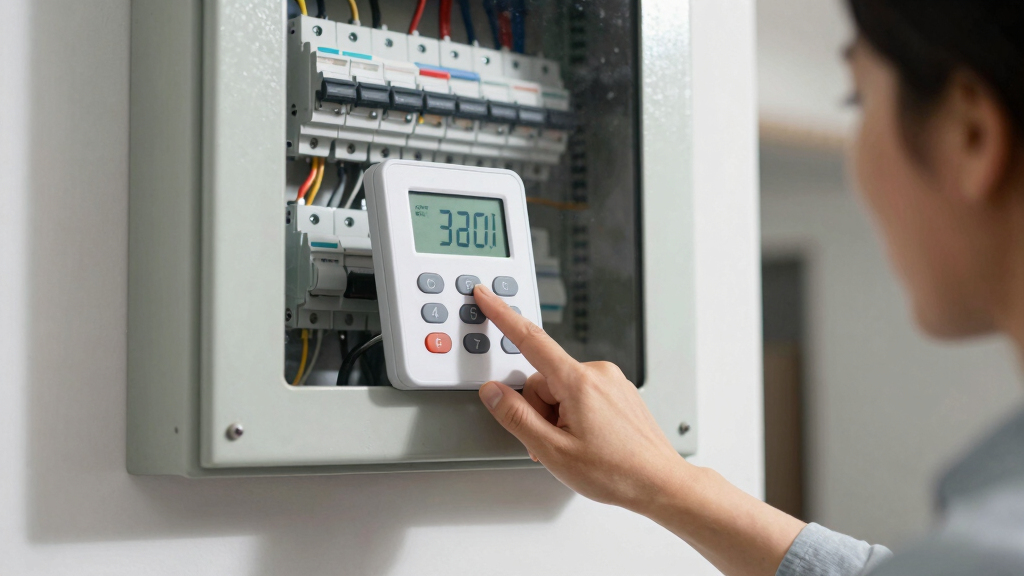
I evaluated these products based on their performance, ease of installation, data accessibility, build quality, and value for different user needs. Devices with circuit-level monitoring were prioritized for their detailed insights, while simplicity and affordability were key for those new to energy tracking. Compatibility with popular smart home ecosystems and local data storage also influenced rankings, as these features impact usability and privacy. The goal was to identify options that serve a range of budgets and technical skills, ensuring that both beginners and advanced users find suitable choices. The ranking reflects a balance of functionality, reliability, and user experience tailored for home energy management.Factors to Consider When Choosing Best Energy Monitoring Devices For Home
Choosing the right energy monitoring device involves understanding your home setup, your technical comfort level, and your specific goals—whether it’s reducing energy bills, integrating with smart home systems, or tracking solar energy. The following factors will help clarify what to prioritize and avoid common pitfalls that lead to overspending or underperformance.Level of Monitoring Detail
Deciding between whole-house or circuit-level monitoring is key. Whole-house monitors are easier to install and provide a broad overview, suitable for general energy awareness. Circuit-level devices offer detailed insights into specific appliances or circuits, which can help identify energy hogs but often require more complex wiring and setup. Consider your technical skills and the level of detail you need before choosing.
Compatibility and Ecosystem Integration
Ensure the device works seamlessly with your existing smart home platform, whether it’s Alexa, Google Home, or Home Assistant. Compatibility reduces setup headaches and enhances automation possibilities. Some devices also support open APIs and local control, which is vital for privacy-conscious users or those wanting custom integrations.
Installation Complexity and Cost
Devices range from simple plug-in models to hardwired circuit monitors. Be realistic about your DIY skills and budget for professional installation if needed. Overlooking installation difficulty can lead to frustration or incomplete data. Budget models might lack advanced features but are easier to set up, while high-end options often require technical expertise but offer richer insights.
Data Privacy and Storage
Check whether the device stores data locally or in the cloud. Local storage options provide greater privacy and control, which is important if you’re cautious about data sharing. Cloud-based models may offer more remote access and advanced analytics but come with potential security risks and subscription fees.
Additional Features and Future-Proofing
Look for features like solar metering, bi-directional power flow, and real-time alerts if they match your energy goals. Consider whether the device can handle future upgrades or integrations, ensuring your investment remains valuable over time. Sometimes paying a bit more upfront for these capabilities saves money and hassle later.
Frequently Asked Questions
Can I install a home energy monitor myself?
Many energy monitors designed for circuit-level tracking can be installed by DIY enthusiasts with basic electrical knowledge, especially plug-in or non-invasive models. However, hardwired monitors or those requiring circuit wiring may need a licensed electrician to ensure safety and proper setup. Always follow the manufacturer’s instructions and local electrical codes to avoid issues.
Will a home energy monitor really save me money?
Yes, a good energy monitor can highlight inefficient appliances or circuits, empowering you to make targeted improvements that lower your bills. The key is actively using the data to adjust habits, upgrade appliances, or optimize solar energy systems. Keep in mind that the savings depend on your motivation and how effectively you act on the insights provided.
Are energy monitors compatible with smart home systems?
Many monitors support integration with popular platforms like Alexa, Google Home, or Home Assistant, but compatibility varies. Devices with open APIs and Wi-Fi or Zigbee/Zigbee support tend to offer better integration options. Confirm compatibility before purchasing if seamless smart home integration is a priority for your setup.
What’s the difference between local and cloud data storage?
Local storage keeps your energy data on your home network or device, offering greater privacy and control. Cloud storage allows remote access and often includes more advanced analytics, but involves ongoing subscription fees and potential security concerns. Your choice depends on your comfort with cloud services and your privacy preferences.
Is a circuit-level monitor worth the extra cost?
For homeowners aiming for detailed energy insights, especially those with solar or complex systems, circuit-level monitors provide precise data on individual circuits, which can help pinpoint inefficiencies. However, they require more installation effort and knowledge. Simpler whole-house monitors may suffice if your goal is general awareness and straightforward operation.
Conclusion
For those new to energy monitoring or seeking a straightforward solution, the TP-Link Tapo Smart Plugs deliver affordability and ease of use. Power users or homeowners with solar systems will benefit most from the Emporia Vue 3 or the Refoss Smart Home Energy Monitor for their detailed circuit-level data and local control. If privacy and customization matter, prioritize models with open APIs like the Refoss. Budget-conscious buyers should consider simple smart plugs, while technically inclined users should explore more advanced, integrated options. This guide aims to help each buyer find a device aligned with their home setup, energy goals, and comfort level, ensuring a smart, energy-efficient future.